 By Claire Whitaker
Updated November 2026
Lining a fishing rod means getting fresh line onto the reel, tied and spooled correctly so it casts smoothly and holds up under a fish. Once you know the steps, the whole job takes about 15 to 30 minutes with basic tools. This guide covers how to line a fishing rod from start to finish, including picking the right line, attaching it to the spool, filling the reel without line twist, and checking the setup before your first cast.
What You Need Before You Start
Most of the work is about preparation. Gather everything first so you are not hunting for a pair of scissors with a half-tied knot in your hand.
Shopping for one? See our guide: How to Set Up a Fishing Rod: 7 Best Starter Rod and Reel Combos (2026).
- A spool of fishing line matched to your rod’s line-weight rating (usually printed on the rod blank near the handle)
- The reel you plan to line, with the spool empty or nearly empty
- Sharp line clippers or scissors
- A pencil or dowel rod to act as a spool holder
- A bucket of water or a damp rag to keep line from kinking
- A helper, if you want to spool under tension (optional but useful)
If you are still deciding what to buy, How to Choose Fishing Line for Your Budget and Setup walks through line types and strengths in detail.
Step 1: Match Your Line to the Rod and Reel
Before you touch the reel, confirm the line you bought fits the rod. Most rods list a line-weight range, such as 6 to 12 pound test, and a lure-weight range. Stay inside both. Going too heavy can make casts short and stiff, while going too light risks breaking off on a strike. A related read: How to Line a Fishing Rod for Beginners: A Step-by-Step Guide.
Also check the spool capacity printed on the reel or in its manual. A reel is usually marked with a line size and yardage, for example “10 lb / 150 yd.” Filling past the rated capacity causes line to bunch and jam. For a deeper look at pairing components, see How to Match Your Rod, Reel, Line and Lures.
Step 2: Prepare the Spool and Reel
Remove Old Line
If the reel already has line on it, strip it off onto the ground or into a bucket. Do this slowly. Old monofilament can be stiff and coiled, so letting it unwind naturally helps reduce memory. Discard line that is nicked, faded, or frayed.
Check the Reel and Guides
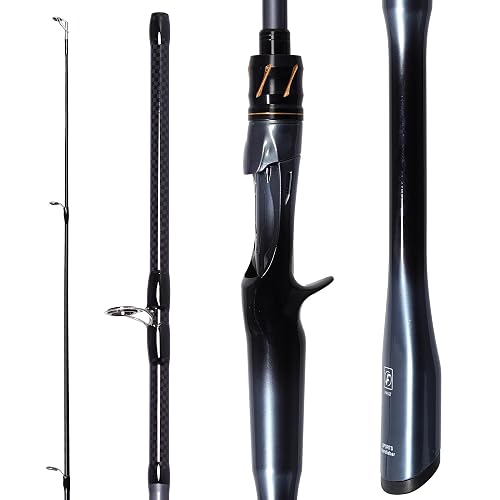
While the spool is empty, look over the reel’s line roller and the rod’s guides. A grooved or rough guide will fray new line on the first cast. Running a cotton ball or clean tissue through each guide is a quick test. If you snag fibers, the guide needs attention. How to Inspect Fishing Rod Guides for Damage shows what to look for.
Step 3: Attach the Line to the Spool
Most spinning reels and baitcasting reels use an arbor knot or a simple overhand wrap around the spool. Tie a secure knot so the line cannot slip under load. For conventional reels, the process is slightly different. How to Tie Fishing Line to Conventional Reel: A Step-by-Step Guide for Beginners covers that setup.
- Pass the line through the spool’s arbor or under the spool lip.
- Tie an arbor knot: wrap the line around itself three to four times, then tie a half-hitch around the main line.
- Pull the knot tight and trim the tag end to about 1/8 inch.
- Give the line a firm tug to confirm the knot holds.
If your knots keep slipping, a spooling aid or a line-tying tool can help. How to Tie Fishing Line to Spool: 3 Best Spooling Aids and Tools for Beginners compares practical options.
Step 4: Spool the Line Correctly
Set Up the Line Spool
Place the spool of line on a pencil or dowel so it can turn freely. Keep the spool on a level surface, not on the floor where it can pick up grit.
Keep Tension Even
Reel the line on while keeping steady pressure with your thumb and finger. Too little tension leads to loose, uneven wraps that dig into each other. Too much tension can stretch the line and weaken it. A useful target is light pressure, enough that the line feels snug but not pinched.
Watch for Line Twist
Line twist builds when the spool of line rotates in the wrong direction as you wind. Most spinning reels should be filled with the line coming off the bottom of the spool, while baitcasters follow their own rules. Turn the spool or let it unwind by hand occasionally to release built-up twist.
Fill to the Right Level
Stop when the spool is filled to about 1/8 inch below the lip. Overfilling makes the line climb the edges and tangle during the cast. Underfilling reduces casting distance and can cause line to slip off the spool under strain.
Step 5: Thread the Line Through the Rod
Run the line through each guide from the reel end toward the tip. Check every guide as you go, especially the tip-top, since that is where most nicks and rough spots show up. Pull a short length of line through the guides and inspect it for fuzz or cut marks.
Step 6: Test and Adjust
- Hold the rod and let a small weight hang from the line to check that the drag works smoothly.
- Set the drag to a light starting point, then tighten it until you feel firm resistance when you pull the line.
- Make a few casts in an open area to check for birds nests, backlash, or uneven spooling.
- If the line bunches, unspool a few feet, retie or reposition, and spool again.
Common Mistakes to Avoid
| Mistake | What Happens | Fix |
|---|---|---|
| Overfilling the spool | Line climbs the edges and tangles | Stop about 1/8 inch below the lip |
| Skipping the knot test | Line slips off the spool on a strike | Tug the knot hard before spooling |
| Spooling with uneven tension | Loose wraps that bite into each other | Keep light, steady pressure |
| Ignoring line twist | Coils, backlash, and short casts | Release twist by letting line unwind |
| Using the wrong line weight | Poor casts or broken line | Match the rod’s rated line range |
Tips for Long-Lasting Results
- Stretch new monofilament gently by hand before spooling to reduce memory.
- Keep line out of direct sun and heat. How to Store Fishing Line to Maintain Strength explains how to protect it between trips.
- Rinse rods after saltwater trips and check guides regularly. How to Clean Fishing Rods has a simple routine.
- If you fish with a leader, tie it to the main line before you cast. How to Choose and Tie a Fishing Leader Line covers the basics.
- Replace line at least once a season if you fish often, or sooner if it looks chalky or nicked.
Recommended Gear
A few inexpensive supplies make the job cleaner and reduce line twist. Choose items that match your reel type and line.
- Spool holder for line: a simple rod-style holder keeps the spool turning freely while you wind. View on Amazon
- Line clippers: a sharp, compact pair trims tag ends cleanly, which helps knots seat properly. View on Amazon
- Spooling station: a line spooling tool with tension control helps keep wraps even on larger spools. View on Amazon
- Line conditioner or water bottle: a light mist keeps line from kinking during spooling. View on Amazon
FAQ
How do you line a fishing rod for the first time?
Match the line to the rod’s rated weight, tie an arbor knot to the spool, and reel the line on with steady tension. Fill the spool to about 1/8 inch below the lip, then thread the line through each guide and test the drag.
How do I know what line weight to use?
Check the rod blank for the recommended line-weight range. Stay within that range, and also confirm the reel’s spool capacity so you do not overfill it.
Why does my fishing line keep twisting?
Line twist usually comes from spooling against the spool’s natural rotation or from line that has been stored coiled. Let the line unwind periodically and check that you are filling the reel in the correct direction for its type.
Can I reline a reel without removing the old line?
It is better to remove the old line first. Leftover line can be stiff, faded, or damaged, and mixing it with new line can cause slipping and uneven spooling.
How much line should I put on a reel?
Fill the spool to about 1/8 inch below the lip. Check the reel’s marked capacity to confirm the yardage and line size you are using.
How often should I reline my rod?
Replace line once or twice a season if you fish often, or whenever it looks faded, chalky, nicked, or has lost its stretch. Old line is a common cause of lost fish.
Is lining a rod hard for beginners?
No. It is a manageable task with the right preparation. Practice tying an arbor knot a few times at home before you try it on a reel, and keep the process slow and even.
Conclusion
Lining a fishing rod comes down to matching the line to your gear, tying a secure knot, and spooling evenly without overfilling. Work through each step, check the guides and drag, and test with a few casts before heading to the water. With a little practice, the process becomes quick and reliable.
Ready to choose one?
About Claire Whitaker
Claire Whitaker is part of our editorial team and reviews and edits our freshwater fishing tackle on a budget guides, checking product details against manufacturer specifications and owner feedback.