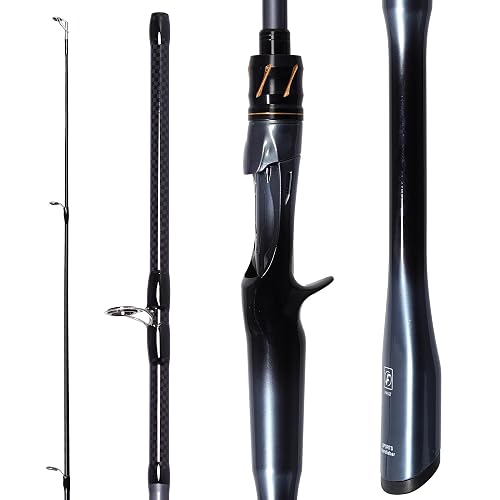
 By Claire Whitaker
Updated November 2026
If you are wondering how do you string a fishing rod, the short answer is this: you seat the reel on the rod, feed the line through each guide from the reel end to the tip, tie it to the spool, and then wind it on under light tension. Done correctly, the line runs straight, the reel drag works smoothly, and the rod casts the way it was designed to. This guide walks through the process for spinning and baitcasting setups, explains how to pick the right line, and flags the mistakes that cause tangles and lost fish.
What You Need Before You Start
Stringing a rod is not complicated, but having the right supplies on hand keeps the job quick. Gather these items first:
- A rod and reel that match each other in size and intended use
- Fishing line in the pound test your rod is rated for
- A spool holder or a pencil to hold the spool in place
- Scissors or line clippers
- A dry cloth or paper towel to remove dirt or grease from the reel seat
- A small bowl of water to keep the line from twisting as you work
Check the rod blank for a pound test or line weight rating, usually printed near the handle. Manufacturers specify this range so you do not overload the blank, and staying inside it protects both the rod and your lure choices.
How to String a Fishing Rod: Spinning Reel Method
Spinning reels are the most common choice for beginners and for most freshwater species, including bass, trout and panfish. The steps below work for most open-face spinning reels.
Step 1: Mount the Reel on the Rod
Slide the reel foot into the reel seat on the rod handle. Tighten the locking nut or sliding hood until the reel sits firmly and does not rotate when you twist it. A loose reel causes line to twist and can slip during a hard cast.
Step 2: Open the Bail and Set the Spool
Flip the bail arm open. Place the line spool on a pencil or a spool holder so it turns freely. Keep the spool oriented so the line peels off the top in the same direction the reel will wind it. This step prevents line twist from the start.
Step 3: Thread the Line Through the Guides
Start at the reel end. Pass the line through the first guide closest to the reel, then the next, and continue all the way to the tip-top guide. Some rods have an extra-long first guide, and that is normal. Work slowly and make sure the line runs through the center of each guide ring rather than rubbing the edge.
Step 4: Tie the Line to the Spool
Once the line reaches the tip, pull out about two to three feet of extra line. Tie it to the spool using an arbor knot or a simple overhand knot, then snug it down. Many anglers prefer the arbor knot because it grips tightly and does not slip under load. Wrap the tag end around the standing line two or three times and draw it tight.
Step 5: Close the Bail and Wind Under Tension
Close the bail by hand, then turn the reel handle to wind the line onto the spool. Keep light pressure on the line with your fingers as you wind. This tension lays the line evenly and prevents loose coils that later tangle during casting. Fill the spool to about one-eighth inch below the lip. Overfilling causes coils to jump off during a cast, and underfilling reduces casting distance.
Step 6: Test the Setup
Open the bail and let a few feet of line hang. Gently pull the line tight and check that it runs straight through each guide without catching. Then set the drag, usually a knob on the front of the reel. Set it so the line slips at roughly one-third of your line’s breaking strength before the rod bends sharply.
How to String a Baitcasting Reel
Baitcasting reels are more common on bass rods. They sit on top of the rod rather than below it, and the line feeds from the spool directly rather than from a fixed spool. The process differs in a few important ways.
Step 1: Position the Reel Correctly
Mount the reel with the handle on the same side as your dominant hand. Most baitcasters are set up for right-handed use. The reel foot should sit in the reel seat, and the locking mechanism should be tightened fully.
Step 2: Load the Spool Through the Guides
Remove the spool side plate if your reel has one. Insert a pencil through the spool and hold it in a spool holder or with a helper. Run the line through the guides from the reel to the tip, the same as with a spinning rod.
Step 3: Tie and Wind
Tie the line to the spool with an arbor knot and wind it on under tension, keeping the line even across the spool. Fill the spool to the recommended level, usually noted in the reel manual. Replace the side plate and test the spool’s free spin. Adjust the spool tension knob and the braking system so the spool does not overrun.
Choosing the Right Line
The line you choose affects casting, sensitivity and how the setup handles fish. The table below compares the three most common line types for freshwater use.
| Line Type | Best Use | Strengths | Drawbacks |
|---|---|---|---|
| Monofilament | General freshwater fishing, beginners | Stretches to absorb hard strikes, easy to handle | Stretches and loses sensitivity, can deteriorate with UV exposure |
| Fluorocarbon | Clear water, finesse presentations | Nearly invisible underwater, low stretch | Stiffer, can be harder to cast with some reels |
| Braided | Heavy cover, vegetation, long casts | Thin diameter, high strength, great sensitivity | Visible on the surface, can cut through soft mouths if drag is set too tight |
Owners often report that monofilament is the most forgiving choice for first-time stringers. If you plan to use braid, most anglers add a fluorocarbon leader of several feet to reduce visibility.
Common Mistakes When Stringing a Rod
- Skipping a guide. A missed guide causes the line to bind and can snap during a cast. Count the guides as you thread them.
- Winding with no tension. Loose winding creates bird nests and uneven coils. Keep light pressure on the line.
- Overfilling the spool. Line that sits above the spool lip jumps off during casting.
- Using the wrong line weight. Heavier line than the rod is rated for reduces casting distance and can damage the blank.
- Ignoring line twist. Spool the line with the spool oriented correctly, and let lures hang freely to check for twist.
- Tying a weak knot. A poorly tied arbor knot can slip under load. Pull it tight and test it before casting.
Tips for a Smoother Setup
- Soak the line in water for a few minutes before tying, which reduces memory and twist.
- Use a helper to hold the spool while you wind, so tension stays even.
- Replace line that shows nicks, fraying or a whitened appearance from UV exposure.
- Keep a spare spool of your preferred line in your tackle bag for quick swaps.
- Inspect the guides before stringing. Damaged guides can cut the line, so check them first.
Recommended gear
A few inexpensive tools make stringing faster and more reliable. A dedicated spool holder keeps the spool turning freely while you wind, and a pair of braid-rated line clippers gives clean cuts that will not fray. A bottle of reel oil can keep the spool and bail moving smoothly over time, though the manufacturer’s maintenance notes should guide how much you apply.
- A spinning reel spool holder, which lets you wind on tension without a helper. View on Amazon
- Sharp line clippers designed for braid and mono, for clean, flush cuts. View on Amazon
- A monofilament line in your rod’s rated test range, a practical starting point for most freshwater setups. View on Amazon
- Reel oil formulated for spinning and baitcasting reels, for keeping the spool and bail working smoothly. View on Amazon
For more on preparing a complete setup, see How to Set Up a Fishing Rod: 7 Best Starter Rod and Reel Combos (2026). If you are choosing your first rod, How to Choose a Fishing Rod covers the main factors. Anglers working on a finesse setup may also want to read Ultralight Fishing: Rod Selection and Finesse Techniques. Before you cast, it is worth checking your guides with How to Inspect Fishing Rod Guides for Damage, and keeping the blank clean with How to Clean Fishing Rods.
FAQ
Can I string a fishing rod without a spool holder?
Yes. A pencil through the spool and a helper holding it works well. The goal is to let the spool turn freely so line can be wound under tension.
Which knot is best for tying line to the spool?
The arbor knot is widely used because it grips tightly around the spool core. A simple overhand knot also works for light use, but it is less secure under heavy load.
How much line should I put on a spinning reel?
Fill the spool to about one-eighth inch below the lip. Your reel manual may list a recommended line capacity for each pound test, and it is worth following that figure.
Why does my line keep twisting after I string the rod?
Twist often comes from spooling the line with the spool facing the wrong direction, or from a lure hanging freely. Soaking the line before spooling and letting the lure hang and unwind can help.
Do I need to string a rod differently for a baitcaster?
The basic process is the same, but baitcasting reels need the spool to be removed or accessed from the side, and the braking system must be adjusted after stringing. Check the reel’s manual for exact settings.
How often should I restring my rod?
Restring when the line shows nicks, fraying, fading or memory that will not clear. Anglers who fish frequently often replace line at the start of each season, though exposure and use will affect how fast line wears.
Should I consult a professional about rod repair?
If a guide is cracked, a blank is damaged or a reel seat is loose and will not tighten, consult a professional rod repair service or the manufacturer rather than attempting a fix that could affect how the rod performs.
Conclusion
Stringing a fishing rod comes down to a few steps done carefully: mount the reel, thread the line through every guide, tie it to the spool and wind it on under light tension. Choosing a line that matches your rod’s rating and your fishing conditions makes the setup perform better. Take your time on the first few rods you string, and the process will quickly become routine.
Related reading
- How to Choose a Travel Fishing Rod: A Complete Guide
- Truck Fishing Rod Rack: How to Choose and Mount One Safely
Ready to choose one?
About Claire Whitaker
Claire Whitaker is part of our editorial team and reviews and edits our freshwater fishing tackle on a budget guides, checking product details against manufacturer specifications and owner feedback.