Quick answer
A fishing leader is a separate piece of line tied between your main line and your lure or hook. Its main jobs are to provide abrasion resistance against sharp teeth or structure and to make your setup less visible to fish. Learning how to use a fishing leader starts with picking the right material for your target species and mastering a few reliable knots.
When you’re assembling your tackle, the connection between your main line and your lure is a critical point of failure. This is where a leader comes in. A leader is a dedicated section of line designed to handle specific challenges that your main line might not. For many anglers, figuring out how to use a fishing leader is the step that turns missed bites and broken lines into solid hookups. It’s a simple concept with a big impact, acting as both a shield and a secret agent for your presentation.
Why You Need a Fishing Leader
While your main fishing line is chosen for its casting performance, strength, and manageability on the reel, it often isn’t the best choice for the final foot of your setup. Leaders address two primary needs: stealth and strength.
Stealth, or low visibility, is crucial when fishing in clear water or for species known to be line-shy, like trout or bass in pressured lakes. A thick, brightly colored main line can spook fish. A thin, clear leader makes your terminal tackle appear more natural. Strength in a leader context usually means abrasion resistance. The thin diameter of a main line, especially braid, can be easily cut by sharp gill plates, teeth, barnacles, or rocky bottoms. A leader made of tougher material takes the abuse so your main line doesn’t have to.
Leaders also offer versatility. You can use a heavy leader for toothy fish while keeping a lighter, more castable main line on your reel. This is more economical than spooling entirely with heavy line. For a broader look at the components in this part of your rig, see our guide on terminal tackle essentials.
Choosing Your Leader Material
The three main types of leader material are fluorocarbon, monofilament, and wire. Each has distinct properties that make it suitable for different situations.
| Material | Best For | Key Properties |
|---|---|---|
| Fluorocarbon | Clear water, line-shy fish, abrasion from rocks/wood. | Nearly invisible underwater, sinks, very abrasion-resistant, stiffer. |
| Monofilament | General purpose, topwater lures, shock absorption. | Inexpensive, floats, has stretch to absorb sudden runs, good knot strength. |
| Wire (Single or Strand) | Toothy predators like pike, musky, barracuda, bluefish. | Extreme bite-off protection, very limp (strand) or stiff (single). |
Fluorocarbon is famous for its refractive index, which is very close to that of water, making it extremely difficult for fish to see. It’s also exceptionally tough against nicks and scrapes. Its stiffness can be a drawback for some lure actions, but it’s the go-to for finesse presentations in clear conditions.
Monofilament is the classic, all-around leader material. Its buoyancy makes it ideal for topwater fishing where you don’t want to pull the lure down. The inherent stretch in mono can act as a shock absorber when a fish makes a hard, sudden turn, potentially preventing a hook from pulling free. It’s also the most forgiving material for tying knots.
Wire leader is a specialty item for one purpose: preventing bite-offs. Single-strand wire is stiff and holds its shape, often used for quick rigs. Multi-strand or “cable” wire is incredibly flexible, allowing lures to swim naturally. It is essential when targeting fish with sharp dentition. Always check your local regulations, as some areas have restrictions on wire leaders for certain species.
What to look for
- Diameter vs. Strength: Choose a leader pound-test (strength) that matches or slightly exceeds your main line, but pay attention to diameter for visibility.
- Knot Compatibility: Some materials, like fluorocarbon, require specific knots tied with extra care and lubrication.
- Lure Action: Ensure the leader’s stiffness or weight doesn’t hinder the natural movement of your lure.
- Application: Match the material to the primary threat: teeth (wire), abrasion (fluoro), or visibility (fluoro/mono).
How to Use a Fishing Leader: Basic Connections and Knots
The effectiveness of your leader depends entirely on the knots you use. A poorly tied knot is the weakest link in your entire setup. The process involves two connections: tying the leader to your main line, and tying the leader to your hook, lure, or a terminal piece like a snap or clip.
Connecting Leader to Main Line
This connection needs to be strong, smooth enough to pass through your rod’s guides, and reliable. For joining lines of similar diameter (like braid to a fluoro leader), two knots are highly trusted by anglers.
The Double Uni Knot (or Uni-to-Uni): This is a versatile and strong knot for connecting two lines. It involves tying a simple Uni knot in the end of your main line around the leader, and another Uni knot in the end of the leader around the main line, then pulling them together. It creates a symmetrical connection that passes through guides well.
The FG Knot: Renowned for its ultra-slim profile and incredible strength, especially for braid-to-fluoro connections. It involves wrapping the braid around the fluoro leader dozens of times in a specific pattern. It’s a more advanced knot that takes practice but is prized for its performance.
For a quick-change system, you can tie a loop in the end of your main line and use a loop-to-loop connection with a pre-tied leader. Alternatively, you can connect your main line to a small swivel and then tie your leader to the other end of the swivel. The swivel can prevent line twist in certain situations.
Connecting Leader to Lure or Hook
This is where you’ll tie one of the classic fishing knots. The choice often depends on the type of eye on your hook or lure.
The Improved Clinch Knot: The workhorse knot for tying line to a hook, lure, or swivel with a standard eye. It’s easy to learn, strong, and reliable with mono and fluoro when tied correctly. Always remember to moisten the line before tightening the knot to prevent friction heat that weakens the line.
The Palomar Knot: Many anglers consider this the simplest and strongest all-around knot. It’s excellent for braid, fluoro, and mono, and works well with both standard and looped (e.g., on soft plastic jigs) hook eyes. Its double-line design through the eye provides great security.
The Non-Slip Loop Knot (aka Rapala Knot): This knot creates a fixed loop at the end of your leader. This allows a lure like a minnow plug or jerkbait to swing freely, enhancing its natural action in the water. It’s not meant for high-stress situations but is perfect for presenting certain lures.
Safety
Always be cautious when handling wire leaders, as the cut ends can be very sharp. Use pliers to make connections and trim ends. When fishing for large, powerful, or toothy species, ensure your knots are perfectly tied and your gear is rated for the fight. If you are unsure about the regulations for leaders or target species in your area, consult your state’s fish and wildlife agency for the most current rules.
Frequently Asked Questions
How long should my leader be?
Leader length varies by technique. For general abrasion protection or invisibility, a leader of two to four feet is common. For techniques like Carolina rigging or when using a slip bobber, the leader (the “trailer”) can be several feet long to position the bait at a specific depth. For toothy fish with wire, a shorter leader of six to twelve inches is typical to prevent the fish from biting the main line above the leader.
Can I use a leader with a bobber?
Absolutely. In fact, a leader is a standard part of a slip bobber rig. Your main line runs through the bobber, then you tie on a swivel or bead to act as a stop. Your leader is then tied to the other end of that stop. This allows you to fish your bait at a precise depth below the bobber while using an invisible or abrasion-resistant leader. Learn more about setting up these rigs in our article on fishing bobber and float types.
Do I need a leader if I’m already using a heavy monofilament main line?
It depends. If your main mono line is already thick enough for abrasion resistance and you’re not concerned about visibility, you can often tie directly to your terminal tackle. However, a leader can still be useful. For example, you might use a heavier, shorter leader of fluorocarbon for extra abrasion resistance around rocks, or a wire leader for teeth, while keeping a lighter, more manageable mono on your reel for better casting.
How often should I replace my leader?
Inspect your leader before every outing and after every fish or snag. Run your fingers along its length, feeling for nicks, abrasions, or kinks. Pay special attention to the last foot near the hook and the knot connecting it to your main line. Any sign of damage means you should retie. Fluorocarbon and mono can also become brittle with prolonged exposure to sunlight, so replace leaders that have been on your rig for multiple trips, even if they look okay.
Is it okay to use a snap or clip at the end of my leader?
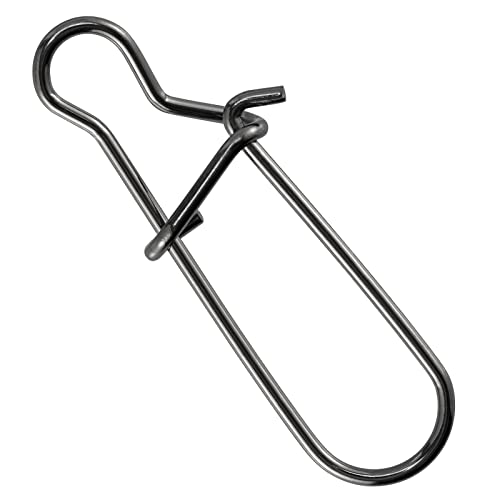
Yes, using a quality snap or snap swivel at the end of your leader is a great way to quickly change lures. This is very common with crankbaits, spoons, and spinners. Just ensure the snap is appropriately sized and strong enough for the fish you’re targeting. For the most natural presentation with finesse baits or in ultra-clear water, tying directly to the lure is often preferred.
References
- Manufacturer manuals and specification sheets: For specific handling and knot recommendations for different line types.
- State Fish and Wildlife Agencies: For local regulations on gear, including leader restrictions for certain species.
- Take Me Fishing: For general fishing education and safety resources. https://www.takemefishing.org/
- U.S. Fish and Wildlife Service: For information on fish species and conservation. https://www.fws.gov/program/fish-and-aquatic-conservation