
 By Claire Whitaker
Updated November 2026
If you are shopping for a carbon fiber rod fishing setup on a budget, the Kilitn 2-piece rod is one of the more straightforward options in the spinning and casting category. It is built from carbon fiber and graphite, it breaks down into two sections for easier storage, and it is aimed at freshwater and light saltwater use. This review looks at what the listing describes, what owners typically report, and where this rod makes sense compared with other entry-level choices. Anglers looking for a fishing rod carbon fiber build for bass, trout or panfish will find the most value here, while those planning heavy offshore work or large saltwater species should look elsewhere.
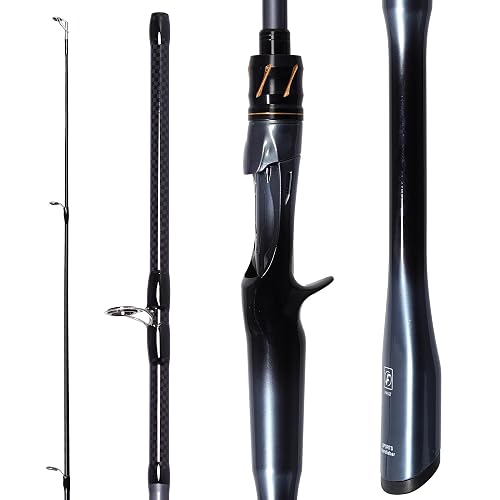
Kilitn Fishing Rod, 2-Piece Graphite Rod, Spinning & Casting, Strong Carbon Fiber Fishing Poles with Comfortable Handle for Freshwater or Saltwater Fishing
Product Overview
The Kilitn Fishing Rod is sold as a two-piece graphite rod suitable for both spinning and casting reels. The listing describes it as a strong carbon fiber fishing pole with a comfortable handle, intended for freshwater or saltwater fishing. The two-piece design uses a ferrule joint to connect the sections, which keeps the rod compact enough for a car trunk or a small gear bag, though it is longer than a true travel rod once assembled.
As a budget-oriented product, the rod is positioned for anglers who want one general-purpose setup rather than a specialized rod for a single species. That makes it a reasonable pick for someone building a first kit or replacing an old rod that has seen better days. Anglers who already own a reel and want to pair it with a rod that handles everyday lure work will find the spinning and casting versatility appealing. For a deeper look, Carbon Fiber Fishing Rod Repair Kit: A Step-by-Step Guide for Beginners covers this in detail.
Key Features & Specifications
The table below lists only the characteristics stated in the product name and listing title. Exact dimensions, line ratings and action ratings should be confirmed on the product page before purchase, since these details can vary between listing versions.
| Feature | Details |
|---|---|
| Rod type | Two-piece fishing rod |
| Material | Carbon fiber and graphite composite |
| Reel compatibility | Spinning and casting |
| Intended water | Freshwater or saltwater |
| Handle | Described as comfortable |
| Storage | Breaks down into two sections |
Pros & Cons
Pros
- Carbon fiber and graphite construction generally offers a good balance of strength and light weight for the price tier.
- Two-piece design makes transport and storage easier than a one-piece rod.
- Works with both spinning and casting reels, so it suits anglers who own either style.
- Listed for both freshwater and saltwater, giving some flexibility for mixed-water trips.
- Comfortable handle is a practical point for longer sessions.
Cons
- Two-piece rods have a ferrule joint, which some anglers feel is less sensitive than a one-piece blank.
- Entry-level rods in this category are often not designed for heavy saltwater species or large fish.
- Specific action, power and line-rating details should be verified directly on the listing.
- Build quality can vary across budget rods, so careful handling and occasional guide inspection are advisable.
Performance Analysis
Performance in a carbon fiber rod fishing setup depends on three things: the blank’s action, the rod’s power rating, and how well the components match the reel and line. Because this review is research-based rather than drawn from hands-on testing, the analysis below relies on the listing’s stated construction and on patterns commonly reported by owners of budget graphite and carbon composite rods.
Carbon and graphite blends tend to offer good sensitivity, meaning bites and bottom contact transmit clearly to the angler’s hand. Owners of budget composite rods often report that this is one of the main reasons they choose a carbon-based rod over a fiberglass one at a similar price. For casting lures in the 1/8 to 3/8 ounce range, which is typical for bass and trout work, a medium-power composite rod of this style is generally a comfortable match.
Durability is where budget rods diverge most. Owners of rods in this class frequently mention that the ferrule and guides are the first components to show wear, especially if the rod is stored in a hot car or transported without a rod sleeve. A simple habit of checking guide wraps and ferrule seating before each trip helps extend service life. For a deeper look at maintenance, see How to Inspect Fishing Rod Guides for Damage.
Casting distance and accuracy depend heavily on the reel, line weight and the angler’s technique. Pairing the rod with a well-balanced spinning or casting reel will do more for performance than any single rod spec. Anglers who want a finesse-focused setup may want to read Ultralight Fishing: Rod Selection and Finesse Techniques before committing.
Who Should Buy This Product?
This rod is a good fit for beginners and intermediate anglers who want a single, versatile spinning or casting rod for freshwater species such as bass, trout, crappie and panfish. It also suits anglers who occasionally fish near shore in saltwater and want a rod that will not be ruined by the occasional rinse. Families building a shared kit, or someone replacing a damaged rod on a budget, will find it practical.
Anglers who should skip this rod include those targeting large saltwater game fish, surf anglers who need a longer and heavier rod for casting, and experienced anglers who prefer premium blanks with a specific action and sensitivity profile. For those cases, a rod built for a dedicated purpose will serve better. Readers interested in offshore setups can compare options in Top 5 Fishing Rods for Deep Sea Fishing Picks for Offshore Anglers.
Buying Guide
When evaluating any carbon fiber rod fishing option, start with the species and water you plan to fish. A rod sized for trout streams will feel underpowered for largemouth bass in heavy cover, and a rod built for bass will feel stiff for panfish. Match the rod’s power rating to the lure weights you use most often. Light power suits lures under 1/4 ounce, medium suits 1/4 to 5/8 ounce, and heavy suits larger baits.
Next, look at the construction. Two-piece rods are convenient, but a one-piece rod generally offers smoother action. Check whether the listing names the material, and whether the guides are stainless steel or a lower-grade alloy. Guide type affects durability and line flow. Finally, confirm reel seat compatibility and handle comfort, since these determine how the setup feels over a full day on the water.
If the Kilitn rod does not fit your plans, two well-known alternatives are worth a look. The first is the Okuma SST A Series Carbon Grip rod, which many anglers consider a step up in build and feel for carbon-based spinning work:

Okuma SST A Series Carbon Grip 30/40 Ton Carbon Blank Lightweight Fishing Rod
The second is the Sougayilang 2-piece carbon and glass fiber composite rod, a budget-friendly option in the same general size class that is often chosen for bass, trout and crappie:

Sougayilang Fishing Rod 24-Ton Carbon&Glass Fiber Composite Spinning and Casting Rod, 2 Piece for Bass Trout Crappie Travel Fishing- 6'0"
For more ideas on compact and travel-ready options, see Top 6 Best Collapsible Fishing Rods for Travel and Trail Use and Telescopic Fishing Rods: Pros, Cons, and Key Features.
FAQ
Is a carbon fiber rod better than a fiberglass rod?
Carbon and graphite blends are typically lighter and more sensitive than fiberglass, which helps with detecting bites and feeling lure action. Fiberglass is generally more forgiving and less expensive to produce, so it can be a better choice for heavy use or rough handling. The right answer depends on your fishing style.
Can I use this rod for both spinning and casting reels?
The listing describes the rod as suitable for both spinning and casting. Confirm that the reel seat matches your reel’s foot before buying, and check the listed line and lure ratings to make sure they fit your setup.
Is this rod suitable for saltwater fishing?
The listing states it can be used for freshwater or saltwater fishing. For light inshore saltwater work it can be a reasonable choice. For large or powerful saltwater species, a rod built for that purpose is a safer investment.
How should I care for a two-piece rod?
Store the sections separately in a rod sleeve, avoid leaving the rod in a hot car, and rinse it with fresh water after saltwater trips. Inspect the ferrule and guides regularly. Guide care is covered in How to Clean Fishing Rods.
What line weight pairs well with a rod like this?
Line choice depends on the lure weights and target species. Check the rod’s line rating on the listing and pair it with a line in that range. Lighter lines suit finesse work, while heavier braid or monofilament suits cover and larger fish.
Is a two-piece rod as good as a one-piece rod?
Many anglers find one-piece rods slightly more sensitive because there is no joint. A well-made two-piece rod is perfectly capable for most freshwater and light saltwater use, and the portability is a real advantage.
Do I need a rod holder or stand?
A holder helps when you are fishing from a bank or pier and want to keep the rod off the ground. For setup ideas, see Stand for Fishing Rod: 4 Best Floor Stands for Garage and Shore (2026).
Final Verdict
Worth buying for everyday freshwater and light saltwater?
The Kilitn 2-piece carbon fiber rod is a practical, budget-minded option for anglers who want a versatile spinning or casting rod for bass, trout, crappie and similar species. Its carbon and graphite construction, two-piece storage and compatibility with both reel types make it a sensible starting point. It is not a specialist tool for heavy saltwater game fish or demanding tournament work, and buyers should verify the power, action and line ratings on the listing before ordering.
About Claire Whitaker
Claire Whitaker is part of our editorial team and reviews and edits our freshwater fishing tackle on a budget guides, checking product details against manufacturer specifications and owner feedback.


