As an Amazon Associate I earn from qualifying purchases. This page may contain affiliate links.
If you are shopping for striped bass lures for sale, the most useful thing you can do is match the lure to the way stripers are feeding in your water. This guide walks you through the main lure types, how to read conditions, what features matter when comparing options, and which mistakes waste money. By the end, you will know which lures to buy first and how to build a small, versatile selection that covers most striper situations.
Start With the Fish You Are Actually Chasing
Striped bass behave differently depending on the season, the water temperature and whether they are feeding on bait at the surface, in the middle of the water column or on the bottom. A lure that produces well in a spring surf zone may do nothing in a summer river channel. Before you look at specific lures, decide where you fish most often and what forage is present. Striped bass feed heavily on herring, alewives, menhaden, shad, sand eels and crabs in many systems, and these baitfish set the size, color and action you should try to imitate.
Keep a simple log for a few trips. Note the water temperature, the time of day, the depth where you get bites and whether you see birds working or surface boils. Those notes will tell you more about which lures to buy than any product list.
The Main Striped Bass Lure Types
Most striper anglers rely on a handful of lure families. Each one covers a different job, so it is worth understanding the role of each before spending money.
Topwater Plugs and Poppers
Topwater lures work best when stripers are actively feeding on the surface, especially during low-light hours at dawn and dusk or when birds are diving on schools of bait. Popper-style lures with a concave face create a splash and gurgle, while walking-style plugs produce a side-to-side swimming action. Look for lures in the 4 to 7 inch range for most striper situations, since a bass or two in the 20 to 30 inch class will readily hit them.
Swimming Plugs and Minnow Imitations
Swimming plugs with a built-in lip and a tight wiggle are among the most productive striper lures in open water and along structure. A minnow-profile plug in silver, white or chartreuse tends to cover most baitfish patterns. Sinking and suspending versions let you control depth, which matters when fish are holding 10 to 25 feet down.
Bucktail Jigs and Soft Plastic Shads
Bucktail jigs and paddle-tail soft plastics are workhorses for casting and retrieving over structure, rock piles and sandbars. They can be worked along the bottom or swum through the middle of the water column. Heavier heads, in the 1 to 4 ounce range depending on current and depth, let you stay in contact with the bottom. For more on jig setups, see Jig Fishing Rigs and Techniques for Bass.
Metal Lures and Diving Spoons
Metal lures such as slender jigging spoons and diving spoons are useful when fish are deep or when you need a fast, heavy lure to reach the strike zone quickly. Jigging spoons work well when you can see bait on your electronics and want to fish vertically. Many anglers favor them for deep-water trips and tidal rips.
How to Choose Striped Bass Lures When Shopping
Once you know the lure types, the next step is comparing individual products. Use this checklist before you buy.
- Size relative to bait: Match the lure length to the baitfish present. A 3 to 4 inch lure suits small bait, while 5 to 7 inches covers larger herring and menhaden.
- Color: Silver, white and chrome cover most conditions in clear water. Add chartreuse, pearl or dark backs on overcast days or murky water.
- Hook quality: Stripers are strong and have tough mouths, so sharp, heavy-gauge hooks matter. Check whether the hooks are replaceable.
- Weight and casting distance: In surf or wind, heavier lures that cast well are more useful than light lures that fly poorly.
- Sink rate: Floating, suspending and sinking versions each have a purpose. Floaters work for surface and shallow fish, sinkers for deep water.
- Build quality: Look for solid split rings, strong eyes and a finish that holds up to salt and abrasion.
Matching Lures to Conditions
Use the table below as a starting point when deciding what to bring on a given trip. These are general patterns, not rules, and local conditions always win.
| Condition | Best lure type | Suggested color | Retrieve approach |
|---|---|---|---|
| Dawn surface feeding, birds working | Popper or walking plug | Silver, white | Fast, erratic pops |
| Mid-day, clear water | Minnow plug or soft shad | Silver, pearl | Steady retrieve, vary speed |
| Murky or overcast water | Bucktail or chartreuse plastic | Chartreuse, white | Slower, bumping bottom |
| Deep water, bait on electronics | Jigging spoon or sinking plug | Silver, chrome | Vertical jigging or deep swim |
| Rocky structure | Heavy bucktail jig | Dark or natural | Hop along bottom, stay in contact |
Lure selection is only half the picture. How you rig and present the lure matters too. For a broader look at matching gear to conditions, see How to Choose Fishing Lures for Different Fish and Water.
Buying Striped Bass Lures on a Budget
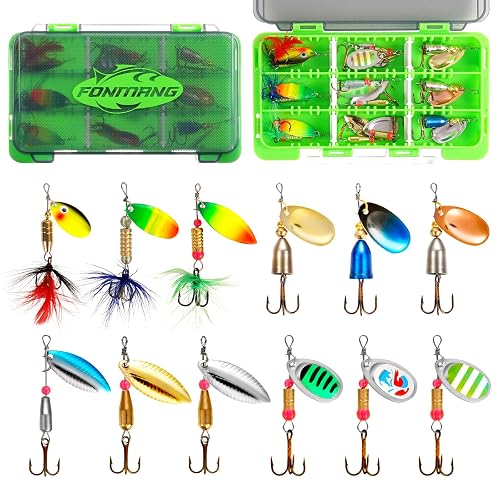
You do not need a large tackle collection to catch stripers. Many experienced anglers build a compact selection of five to eight lures that cover topwater, mid-water, bottom and deep situations. A good value approach is to buy one or two proven patterns in each category, then add colors once you know what the fish want. Packs and sets can help here, and How to Choose a Good Value Fishing Lure Set explains what to check so you do not end up with a bag of lures you never use.
When buying striper lures online, read the product description for hook size, weight and dimensions. Manufacturers specify these numbers, and comparing them directly is more reliable than judging from photos alone. Owners often report that lures with heavier hooks hold up better to repeated strikes from larger fish, so that is worth weighing against cost.
Common Mistakes
- Buying dozens of lures in similar sizes and colors instead of covering different depths and actions.
- Using lures that are too small for the forage present, which can keep larger fish from committing.
- Ignoring hook condition. Dull or bent hooks lose fish, especially on larger stripers.
- Fishing the same retrieve all day. Stripers often respond to changes in speed and depth.
- Skipping rinses and checks after saltwater trips. Corrosion weakens split rings and hooks over time.
Tips for Getting More From Your Lures
- Carry a few spare hooks and split rings in each size you use most often.
- Rinse all lures in fresh water after each saltwater session and dry them before storage.
- Keep lures organized by type and depth so you can change quickly when fish move. A compartment box helps, and Using Utility Boxes for Fishing Lure and Tackle Storage covers storage options.
- Use a fluorocarbon leader when fish are line-shy in clear water, especially near structure.
- Check local regulations on size and bag limits before you fish, since they vary by state and water body.
Recommended gear
Several accessories make it easier to switch lures and keep your striper setup organized.
- Rapid-change snap or clip: A quick-release snap lets you swap lures in seconds, which matters when fish shift between surface and deep strikes. View on Amazon
- Saltwater-rated tackle box with adjustable dividers: Adjustable compartments keep topwater, bucktail and metal lures separated so hooks do not tangle. View on Amazon
- Replacement treble hooks in heavy gauge: Swapping out hooks on a favorite plug extends its life and keeps it sharp for larger fish. View on Amazon
FAQ
What is the best all-around striped bass lure?
There is no single best lure, but a minnow-profile swimming plug in silver or white covers a wide range of situations. Pair it with a bucktail or soft shad for bottom work.
What size lure should I use for striped bass?
Match the bait. Lures between 3 and 7 inches cover most striper feeding, with smaller sizes for small bait and larger ones for herring and menhaden.
Do striped bass prefer certain colors?
Silver, white and chrome are reliable in clear water. Chartreuse and darker patterns often perform better in murky water or low light.
Are topwater lures effective for striped bass?
Yes, especially during surface feeding at dawn, dusk or when birds are working over schools of bait. They are less effective when fish are holding deep.
How heavy should bucktail jigs be?
Many anglers use 1 to 4 ounces depending on current, depth and wind. Heavier weights help you stay in contact with the bottom in strong flow.
Do I need fluorocarbon leader for striped bass?
It can help in clear water where fish are cautious. In heavy cover or rough surf, a stronger monofilament or braided setup may be more practical.
Where can I find local regulations for striped bass?
Check your state fish and wildlife agency for current size limits, bag limits and seasons, since these change and vary by region.
Conclusion
Buying striped bass lures is easiest when you start with the fish, the forage and the conditions you actually fish. Build a small set that covers surface, mid-water, bottom and deep situations, and choose sizes and colors that match the bait. Keep hooks sharp, rinse your gear after saltwater trips and adjust your retrieve when the fish tell you to. A focused selection will catch more stripers than a large box of lures you never use.