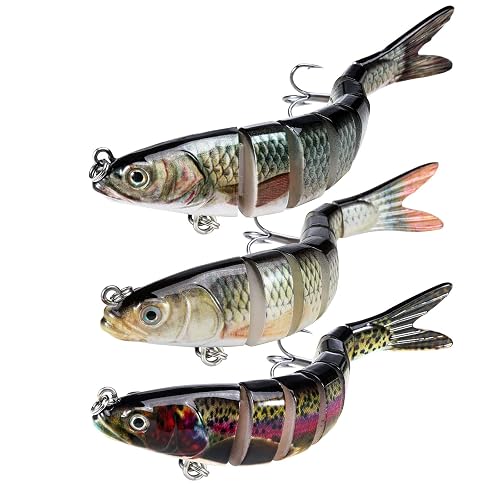
By Ethan Brooks
Updated November 2026
Learning how to use split ring pliers for fishing lures takes about five minutes and saves you from two of the most common tackle frustrations: mangled split rings and lures that won’t stay put. In this guide, you’ll learn how to grip the pliers correctly, open and close a ring without losing its tension, and swap hooks, spinner blades and trebles the right way. Once you have the technique down, you can change lures in the dark, on a moving boat, or with cold fingers.
What Split Ring Pliers Do
A split ring is a small wire coil, roughly the shape of a key ring, with a tight overlap. Its job is to hold a hook, treble, blade or swivel to a lure’s eye. The trouble is that split rings are designed to resist being pulled apart, which is exactly why cramming a fingernail or a knife tip into the gap tends to stretch the ring or bend it out of shape. Split ring pliers solve that problem. They have a slim, curved jaw (usually one jaw is tapered to a point) that slides between the coils and spreads them apart in a controlled way, so the ring keeps its shape and its strength.
Shopping for one? See our guide: 6 Best Fishing Lures Striped Bass Anglers Uses for Less (2026). We also found Leather Fishing Pliers Sheath: How to Choose and Use One (Beginner Guide) useful on this point.
Most anglers who fish lures regularly keep a pair in the same pocket as their line clippers. They’re useful for:
- Replacing a treble hook on a crankbait or topwater
- Swapping a single hook on a jerkbait or a soft plastic rig
- Adding or changing spinner blades on a spinnerbait or in-line spinner
- Attaching a snap, swivel or clevis to a lure
- Rebuilding a rig after a fish has bent or broken a split ring
Tools and Materials You’ll Need
Before you start, gather the basics so you aren’t hunting for parts mid-session:
- A pair of split ring pliers with a tapered, slightly curved tip
- The lure you’re modifying, with its existing split ring still attached if you’re replacing a hook
- Replacement hooks, trebles or blades, ideally with split rings already on them
- Spare split rings in a couple of sizes, in case the original is damaged
- A soft cloth or towel, so you don’t lose small parts over the side of the boat
Split ring size matters. Lure makers and hook makers generally specify ring size by a number, and smaller numbers are heavier wire. Manufacturers typically recommend matching the ring to the lure size and to the strength you need: a light ring suits a small jig or finesse bait, while a heavier ring suits a large crankbait or saltwater-grade rig.
Step-by-Step: Opening a Split Ring
Step 1: Position the Pliers Correctly
Hold the pliers so the tapered tip faces the ring. The jaw should enter the gap at the spot where the two coils overlap, not on the outside of the ring. Think of the gap as a seam: you want to slide the point along the seam, not force it across the wire.
Step 2: Work the Tip Into the Gap
Gently rotate the tip so it rides between the two coils. Use small, steady movements. If you feel resistance, back off and re-seat the jaw rather than pushing harder. Forcing the ring is the single fastest way to kink the wire.
Step 3: Spread the Coils
Once the tip is seated, twist the pliers in the direction that opens the gap. You’re creating enough space for the hook or blade eye to pass through, not wrenching the ring apart. A quarter-turn of spread is often enough for a small ring. Heavier rings may need a little more.
Step 4: Thread the Hook or Blade Onto the Ring
Slide the new hook eye, blade arm or treble onto the open ring, then walk it around the coil until it sits in the wire. Keep the pliers in place as you do this so the gap stays open. Once the hardware is on, use the same rotating motion in reverse to close the coils.
Step 5: Close the Ring Fully
Close the gap by reversing your twist. The two coils should meet and sit flush, with no visible gap and no wire crossing over itself in an odd way. Give the ring a gentle tug to confirm it’s seated, but don’t test it by yanking the lure.
Replacing a Treble Hook on a Crankbait
Trebles are the most common reason anglers reach for split ring pliers, so it’s worth walking through the process in detail.
- Clamp the lure’s split ring with the pliers and open it as described above.
- Remove the old treble by sliding it off the open ring. Keep the ring if it’s still in good shape.
- Check the ring for stress marks, flat spots or a gap that won’t close flush. Replace it if you see any of these.
- Thread the new treble’s eye onto the ring, then close the ring completely.
- Check the hook orientation so the points sit where you want them relative to the lure’s belly.
Adding Spinner Blades
Spinner blades usually attach through a clevis or a split ring on the arm. When you’re changing blades, the process is the same: open the ring, slide the blade’s eye or clevis onto it, and close. Make sure the blade spins freely before you close the ring all the way. If it binds, you may have caught a wire coil under the blade. For more on blade types and swaps, see Spinner Blades for Fishing Lures: How to Choose and Swap Them (Step-by-Step).
Attaching Snaps and Swivels
Snaps and swivels follow the same logic. Open the ring, thread the snap eye onto it, and close. For finesse setups, a small snap lets you change lures quickly, which pairs well with a lightweight rig like the one in How to Use Split Shot Sinkers for Finesse Fishing. Keep in mind that adding hardware changes the lure’s action slightly, so test after any swap.
Common Mistakes to Avoid
- Pulling the ring apart with your fingers. This stretches the wire and makes the ring easy to open accidentally later.
- Using the wrong tip. A blunt or wide jaw won’t seat in the gap and tends to crush the coils.
- Reusing a fatigued ring. If the ring has been opened several times or has a visible flat spot, replace it.
- Leaving the gap open. An open ring can slip off during a cast or fight. Always close it fully and confirm.
- Working over open water without a towel. Dropped rings are almost impossible to recover.
- Mixing ring sizes. A ring that’s too small may fail under load, while one that’s too large can let the hook wobble.
Tips for Faster, Cleaner Swaps
- Pre-thread replacement hooks onto rings at home so you only need to open and close one ring on the water.
- Keep a small plastic container with spare rings sorted by size.
- Rinse saltwater lures and hardware with fresh water before changing parts to reduce corrosion on the rings.
- Check rings after every few fish, especially on heavy-hitting lures like large crankbaits.
- If you’re rebuilding a lot of lures, consider learning the basic technique in How to Use Fishing Pliers for Crimping, Cutting, and Hook Removal, since the same pliers often handle several jobs.
Recommended gear
Split ring pliers are the core tool here. A pair with a thin, tapered jaw makes it much easier to open small rings without distorting them. Look for a model with a comfortable grip, since you’ll often be working with cold or wet hands.
- Split ring pliers with a tapered tip: A slim, pointed jaw seats cleanly in the ring gap and minimizes wire damage. View on Amazon
- Assorted split ring kit: A kit with several sizes lets you replace damaged rings on the spot without guessing. View on Amazon
- Stainless steel split rings: Stainless versions resist corrosion better in saltwater and are often recommended for heavier lures. View on Amazon
FAQ
Can I use regular pliers instead of split ring pliers?
You can, but regular pliers are wide and tend to crush or kink the ring. Split ring pliers have a thin, tapered tip designed to slide into the gap, which keeps the wire intact.
How do I know when a split ring needs replacing?
Replace a ring if it shows flat spots, kinks, visible stress marks, or a gap that won’t close flush. Rings that have been opened and closed many times lose strength, so it’s safer to swap them out.
What size split ring should I use?
Match the ring to the lure size and expected fish size. Lure and hook packaging often lists a recommended ring size, and as a general rule heavier rings suit larger lures and heavier line.
Why won’t my split ring close all the way?
Usually the wire has been bent out of shape, or a piece of the hardware is caught between the coils. Open the ring again, clean up the coils gently, and try once more. If it still won’t seat, replace the ring.
Do I need to open the ring every time I change a hook?
Yes, for a split ring to release hardware you have to open it. Pre-rigging replacement hooks at home reduces the amount of time you spend opening rings on the water.
Can split ring pliers damage the lure’s eye?
They can, if you force the tip into a small or damaged eye. Work gently, and if the eye is worn or thin, consider replacing the lure’s hardware with a better-quality ring.
Is it safe to use split ring pliers on saltwater gear?
Yes, but rinse the tools and hardware with fresh water after use, since salt accelerates corrosion. Stainless split rings tend to hold up better than plated versions in saltwater.
Conclusion
Using split ring pliers well comes down to three habits: seat the tip in the seam, spread the coils gently, and close the ring fully before you cast. With those steps, swapping hooks, blades and snaps becomes quick and clean. Keep a few spare rings on hand, inspect them regularly, and replace any that look fatigued. Your lures will stay rigged longer and your fishing time will go to catching fish instead of fiddling with hardware.
Related reading
Ready to choose one?
About Ethan Brooks
Ethan Brooks is part of our editorial team and reviews and edits our freshwater fishing tackle on a budget guides, checking product details against manufacturer specifications and owner feedback.