By Paige Kingsley
As an Amazon Associate I earn from qualifying purchases. This page may contain affiliate links.
Spinner blades for fishing lures are one of the easiest upgrades a budget angler can make. Swapping a blade changes how a lure flashes, how much it vibrates, and how deep it runs, so the right blade can turn a sluggish bait into one that gets bites. This guide walks through choosing blade shape, size, and finish, swapping blades on a lure, and tuning the result so it runs true in the water.
What Spinner Blades Do and Why They Matter
A spinner blade is a metal or hammered piece of metal that rotates around a shaft when line pulls the lure through the water. The rotation produces vibration and flash, and both signal to fish from a distance. Blade choice affects three things: how much noise and flash the lure makes, how much lift or resistance it creates, and how deep it sinks at a given retrieve speed.
Shopping for one? See our guide: 5 Best Bass Assassin Fishing Lures for Bass Anglers (2026).
Because blades are cheap and easy to change, they are one of the best ways to experiment without buying a whole new lure. Many anglers keep a small stash of blade sizes and colors in a tackle box and adjust mid-day based on what the fish are reacting to. If you organize your gear well, a small utility box for hardware works nicely; see Using Utility Boxes for Fishing Lure and Tackle Storage for ideas on keeping blades separated and easy to find.
Step 1: Identify Your Target Fish and Water
The best blade depends on what you are chasing and where you are fishing. Clear, cold water usually favors smaller, quieter blades with a subtle flash, while murky or stained water calls for larger, brighter blades that create more vibration and more visible flash.
- Trout in clear streams: smaller blades, roughly size 0 to 2, in silver or gold, fished at a steady pace.
- Panfish in ponds and lakes: small to medium blades, sizes 1 to 3, that flutter at slow retrieves.
- Bass in stained or muddy water: larger Colorado or willow blades, often sizes 3 to 5, in gold or chartreuse.
- Pike and musky: heavy, large blades that produce strong vibration, usually in brass or nickel.
Fish the water you actually have. A blade that works on a windy reservoir may be too loud for a spring creek.
Step 2: Choose the Right Blade Shape
Blade shape controls how the blade spins and how much it vibrates. There are three shapes most anglers encounter.
Willow-Leaf Blades
Willow-leaf blades are long and narrow with a tapered profile. They spin at lower speeds and produce a tight, subtle flash. They are a strong choice for slow presentations and for fish that are pressured or wary.
Colorado Blades
Colorado blades are round and wide. They create a lot of water resistance, which means the lure sinks more slowly and the blade turns at lower speeds. They pulse a lot, which helps in dirty water or when fish need a strong signal.
Indiana Blades
Indiana blades are a compromise between willow and Colorado shapes. They spin at mid-range speeds and give a moderate flash and vibration, which makes them a practical all-purpose choice.
Step 3: Match Blade Size and Weight to Your Retrieve
Blade size is usually given by a number, and larger numbers mean larger blades. Blade weight matters too, because heavier blades sink the lure faster and hold deeper at the same retrieve. Manufacturers often list approximate blade sizes and weights, so compare those specifications when you buy replacements.
| Blade Size | Typical Use | Retrieve Speed | Water Condition |
|---|---|---|---|
| 0 to 1 | Trout, small panfish | Slow to moderate | Clear, calm water |
| 2 to 3 | Panfish, light bass | Moderate | Mixed clarity |
| 4 to 5 | Bass, pike | Moderate to fast | Stained or murky |
| 6 and up | Pike, musky | Fast | Deep or heavy cover |
If your lure runs too shallow, try a heavier blade. If it sinks too quickly or drags on the retrieve, go lighter.
Step 4: Pick a Finish and Color
Finish affects flash and visibility. Silver and nickel reflect a lot of ambient light and work well in bright, clear conditions. Gold tends to look more natural and warmer, which helps in stained water or low light. Copper and brass darken and add a subtle tone. Painted or fluorescent blades can add a color signal, such as chartreuse or orange, that stands out in murky water.
A practical approach is to carry two or three finishes: one bright silver, one gold, and one painted option. Rotate them until you find the combination that draws strikes on a given day.
Step 5: Swap the Blade Correctly
Most spinner blades attach to a wire shaft through a clevis (a small U-shaped fitting) and a bead or two. Replacing a blade is simple, but doing it correctly keeps the lure balanced.
- Open the clevis by pinching it with needle-nose pliers, or use a split ring tool if the blade is held by a split ring.
- Slide off the old blade, keeping track of any beads and washers in order.
- Thread the new blade onto the shaft, making sure its cupped side faces the correct direction for your lure’s rotation.
- Replace the clevis and close it fully so the blade cannot slip off.
- Test the blade by spinning it by hand in a bowl of water. It should turn freely without wobbling.
Pliers and a small split ring tool make this job quick. Keep a few spare clevises, since they are the part that tends to break or bend.
Step 6: Tune the Blade for Clean Spin
A blade that does not spin true will foul, drag, or fail to attract fish. After installing a new blade, check the lure in the water at a steady retrieve.
- If the blade does not start spinning at slow speeds, make sure the clevis is not too tight and the blade is not rubbing the wire.
- If the lure rolls or tilts, adjust the wire bend slightly so the blade runs at the same level as the body.
- If the blade hits the body or the hook, reposition the beads or move the clevis to add space.
Small adjustments often make a bigger difference than the blade itself. For more on setup and keeping lures running well, see How to Clean Fishing Lures for Better Performance, since a clean, smooth lure spins more reliably.
Step 7: Match Blades to Your Rig and Terminal Tackle
Spinner blades work on several lure types, including inline spinners, spinnerbaits, and blade-equipped jigs. The blade you choose interacts with how you rig the lure. Heavier blades on a spinnerbait can change the balance of the head and the way the skirt moves. When you add or change hardware, use snaps or clips so you can switch quickly without retying your line. The article A Guide to Fishing Snaps and Clips for Quick Lure Changes covers the options.
If you are building a setup for a specific species or season, see How to Rig Your Tackle for Different Fishing Lures to match your blade choices to your overall rig.
Common Mistakes and Tips
- Using a blade that is too large for clear water. Big blades can spook wary fish in calm, clear conditions. Start smaller.
- Ignoring blade direction. Installing a blade facing the wrong way can cause the lure to run erratically or stall.
- Overtightening the clevis. A tight clevis can stop the blade from spinning. Close it firmly but leave room for rotation.
- Forgetting to test. Always check a new blade in water before you cast it at a spot you care about.
- Mixing up beads and washers. Lay parts out in order before you take a lure apart, so you can rebuild it correctly.
- Neglecting corrosion. Saltwater and damp storage can tarnish blades and clevises. Rinse gear after use and dry it before storing.
Keep a notebook or a note in your phone of which blade size and finish worked on which day and water. Over a season, patterns emerge that save time.
Recommended gear
A few inexpensive tools make blade swapping and tuning much easier.
- Needle-nose pliers: They open and close clevises cleanly and grip small beads without slipping. View on Amazon
- Split ring pliers: A split ring tool lets you change blades held by split rings without damaging the wire. View on Amazon
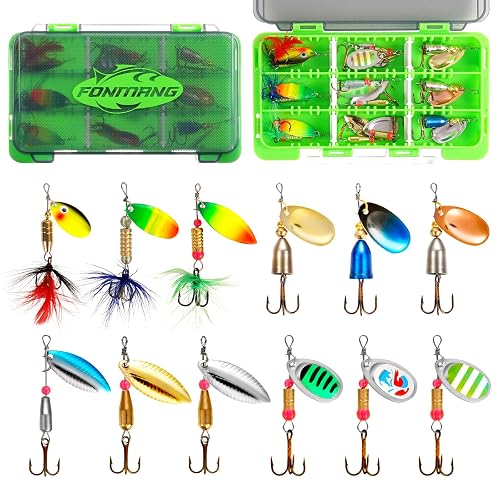
- Assorted spinner blade kit: A kit with several sizes and finishes lets you experiment across conditions without buying single blades. View on Amazon
- Replacement clevis set: Spare clevises are inexpensive and useful, since they are the part most likely to wear out. View on Amazon
FAQ
What size spinner blade should I use for trout?
Smaller blades, usually sizes 0 to 2, work well for trout in clear streams. They produce a subtle flash and slower rotation that fits cautious fish.
Do willow blades or Colorado blades catch more fish?
Neither is universally better. Willow blades give a tighter flash and suit slow, wary presentations. Colorado blades create more vibration and lift, which helps in murky water. Test both on your water.
Why does my spinner blade not spin?
The most common causes are a clevis that is too tight, a blade installed with the wrong orientation, or a bent shaft rubbing against the blade. Check each of these first.
Can I use a larger blade on a lure designed for a smaller one?
You can, but it changes the balance. A heavier blade may sink the lure faster and change its running depth. Test the lure in water after the swap.
How do I keep spinner blades from tarnishing?
Rinse blades with fresh water after use, especially in saltwater, and dry them thoroughly before storing. Keeping them in a dry, compartmentalized box also reduces wear.
What finish works best in stained water?
Gold and painted blades in chartreuse or orange are often easier for fish to see in stained or muddy water, since they stand out against the darker background.
Should I replace the clevis when I change blades?
It is a good idea to check the clevis every time. Replace it if it is bent, worn, or no longer closes securely, since a failing clevis can cause a blade to fall off during a cast.
Conclusion
Spinner blades give you a simple way to change how a lure looks, sounds, and runs. Match the blade shape, size, and finish to your target fish and water, then swap and tune the blade so it spins cleanly. Test the setup in the water and keep notes on what works, and you will build a reliable blade collection that adapts to changing conditions.
Related reading
- Voodoo Shrimp Fishing Lures: How to Rig and Fish Them for Bass
- Strike King Bass Fishing Lures: 6 Best Picks for Every Need (2026)

About Paige Kingsley
Paige researches and writes buying guides and how-to articles on freshwater fishing tackle on a budget. Picks are based on product specifications, brand reputation and patterns in owner feedback, and are updated as new models come out.