Quick answer
To clean fishing lures, use mild soap and water for soft plastics and a soft brush for hard lures. Always dry them thoroughly to prevent rust and preserve their action. Avoid harsh chemicals that can damage the lure’s finish or scent.
Keeping your lures clean is one of the simplest ways to maintain their fish-catching performance. Over time, soft plastic and hard body fishing lures pick up algae, silt, rust, and fish slime, which can dull their colors, affect their action in the water, and even corrode hooks and hardware. Learning how to clean soft plastic and hard body fishing lures properly will extend their life and ensure they work as intended on every cast. This routine is a key part of overall tackle maintenance that pays off on the water.
Why Cleaning Your Lures Matters
A clean lure is a more effective lure. Buildup on the lure’s body can change its balance and swimming action, making it move unnaturally. For soft plastics, grime can mask the subtle scents and flavors many are impregnated with. On hard lures, algae on the lip or body creates drag. Perhaps most importantly, leftover moisture and organic matter are the primary causes of rust on hooks and split rings, which weakens your terminal tackle. A regular cleaning habit, paired with preventing rust on fishing hooks, protects your investment.
How to Clean Soft Plastic and Hard Body Fishing Lures
The process differs slightly between the two main types of lures, but the goal is the same: remove debris without damaging the lure.
Cleaning Soft Plastic Lures (Worms, Craws, Swimbaits)
Soft plastics are porous and can be damaged by harsh solvents. The key is gentle cleaning.
- Rinse Immediately: After use, especially in muddy or weedy water, give your soft plastics a quick rinse in fresh water to remove loose silt and slime.
- Use Mild Soap: For a deeper clean, use a small container of lukewarm water with a drop of mild dish soap. Swirl the lures gently in the solution.
- Scrub Gently: Use your fingers or a very soft-bristled brush (like a toothbrush dedicated to the task) to wipe away any stubborn algae or stains. Avoid abrasive pads.
- Rinse Thoroughly: Rinse the lures completely in clean water to remove all soap residue, which could affect their scent or taste.
- Air Dry: Pat them dry with a soft towel and then lay them out on a dry towel to air dry completely before storing. Do not store them while damp.
What to look for
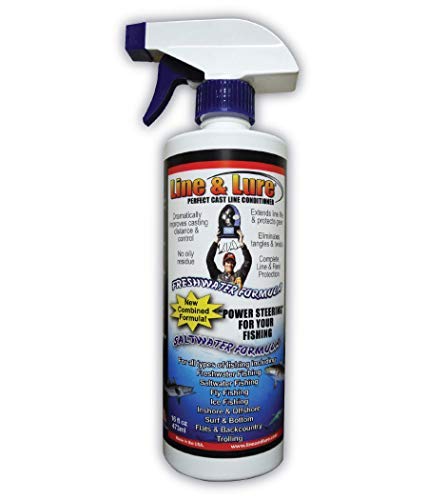
- Gentle Cleaners: Mild dish soap or cleaners specifically designed for fishing tackle.
- Soft Tools: Fingers, soft cloths, or dedicated soft-bristle brushes.
- Complete Drying: A clean, dry space with good air circulation for lures to dry fully.
Cleaning Hard Body Lures (Crankbaits, Topwaters, Spoons)
Hard lures have paint, clear coats, and moving parts that need careful attention.
- Remove Hooks: For safety and a better clean, consider removing the treble hooks. This is also a perfect time for inspecting fishing hooks for damage and sharpness.
- Initial Rinse: Rinse the lure body under warm running water to loosen debris.
- Scrub with Care: Use a soft-bristled brush to gently scrub the entire lure, paying special attention to the lip, hook hangers, and any joints or seams where grime collects.
- Address Rust & Corrosion: For light rust on hardware or hooks, a gentle rub with a soft abrasive pad or a specialized rust remover can help. Always follow the manufacturer’s instructions for any chemical product.
- Dry Meticulously: This is critical. Dry the lure body and all hardware with a soft, absorbent cloth. Use a cotton swab or the corner of the cloth to dry inside screw holes, hook hangers, and the line tie eyelet.
Removing Stubborn Algae and Rust
Some grime requires a bit more effort. For algae stuck on hard lures, a soft brush and a paste of baking soda and water can provide gentle abrasion. For rust on hooks or split rings that doesn’t come off with gentle scrubbing, you may need to replace the component. Compromised hooks are a safety and performance risk. When dealing with any chemical rust removers, work in a well-ventilated area, wear gloves, and follow all safety instructions on the product label. For a deeper look, Bass Fishing Lures Florida: 8 Proven Picks for Every Season covers this in detail.
Safety
Always handle lures with care, especially when hooks are attached. Use eye protection if scrubbing near hooks. When using any cleaning agent, refer to the manufacturer’s safety data sheet and instructions. Ensure your workspace is ventilated, and keep all chemicals away from children and pets. Properly dispose of any used chemical solutions according to local regulations. A related read: Clear Water Bass Fishing Lures: 7 Proven Picks and How to Use Them.
The Importance of Proper Drying and Storage
Cleaning is only half the job. Storing a lure while it’s even slightly damp is a sure way to cause rust and mildew. After cleaning, let your lures air dry completely on a towel in a well-ventilated area, away from direct sunlight or heat sources that could warp soft plastics or damage paint. Once dry, store them in a cool, dry place. Many anglers use original packaging or compartmentalized boxes to prevent lures from knocking together and chipping. This final step solidifies your cleaning work and is a cornerstone of good fishing gear maintenance.
| Lure Type | Key Cleaning Step | What to Avoid |
|---|---|---|
| Soft Plastics | Gentle wash with mild soapy water; air dry flat. | Harsh solvents, abrasive scrubbing, heat drying. |
| Hard Plastics & Wood | Detailed drying of hardware and screw holes. | Soaking for long periods; high-pressure water on joints. |
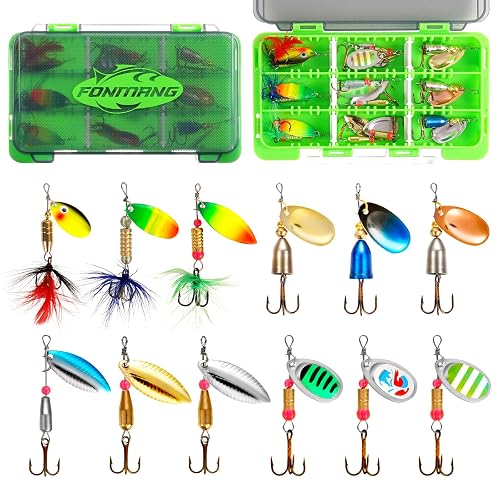
| Metal Spoons & Spinners | Polishing with a soft cloth after drying to prevent tarnish. | Letting water sit on the metal surface. |
FAQ
Can I use rubbing alcohol or vinegar to clean my lures?
We recommend caution. While diluted vinegar can help dissolve mineral deposits and is a mild disinfectant, it can also damage some paint finishes or clear coats over time. Rubbing alcohol can be very drying and may crack or cloud certain plastics. The safest bet is to stick with mild soap and water, testing any other cleaner on a small, inconspicuous area of the lure first.
How often should I clean my fishing lures?
A quick rinse in fresh water after every fishing trip is an excellent habit. A more thorough cleaning, as described in this guide, is wise after fishing in particularly muddy, weedy, or salty conditions, or at the end of a season before long-term storage. Regularly inspecting your hooks during cleaning will tell you when deeper maintenance is needed.
What’s the best way to dry lures with lots of hooks?
For lures with multiple treble hooks, drying can be tricky. After patting them dry, hang them by the line tie on a peg or a dedicated drying rack where air can circulate around all sides. You can also lay them on a dry towel, arranging the hooks so they don’t touch and snag. Ensure every hook and split ring is completely dry before storage.
Will cleaning remove the scent from my soft plastic baits?
Gentle cleaning with mild soap and water will remove some of the external scent, but it also removes slime and odors that might repel fish. Many soft plastics have scent infused throughout the material. A thorough rinse and complete drying are more important than trying to preserve every bit of factory scent, as leftover moisture causes bigger problems.
Can a dirty lure really scare fish away?
It’s possible. Fish are sensitive to unnatural sights and smells. Algae or silt can mute a lure’s color and change its vibration. More tangibly, a lure fouled with weeds or debris has an unnatural action. A clean lure performs as designed, giving you the best presentation.
References
- Manufacturer manuals and specification sheets: For specific care instructions for lures and cleaning products.
- U.S. Fish and Wildlife Service: For general aquatic conservation and invasive species guidance related to cleaning gear.