As an Amazon Associate I earn from qualifying purchases. This page may contain affiliate links.
Red drum fishing lures work best when you match the lure to what redfish are eating, the water they’re holding in, and the time of year. This guide covers the lure types that consistently catch red drum, how to size and color them for different conditions, and how to work them so you get bites instead of just casts. You’ll also get a practical checklist and a short list of budget-friendly gear to get started.
Why Red Drum Respond to Certain Lures
Red drum, also called redfish, are bottom-oriented predators that feed on crabs, shrimp, mullet, and small baitfish. They tend to root along grass flats, oyster bars, and shell edges, and they often push their heads down while their tails stick up. That feeding posture tells you a lot about lure choice: anything that drops quickly to the bottom or tracks just above it tends to get noticed. Water clarity, tide, and temperature all shift how aggressive they are, so your lure selection should follow those conditions rather than a single favorite.
Shopping for one? See our guide: 5 Best Bass Assassin Fishing Lures for Bass Anglers (2026).
If you’re new to the species, it helps to read up on general selection first. The article How to Choose Fishing Lures for Different Fish and Water covers how water type changes lure choice, and Soft Plastic Fishing Lures Explained breaks down the bait category that dominates redfish tackle boxes.
The Main Lure Types for Red Drum
Soft Plastic Paddle Tails and Shrimp Imitations
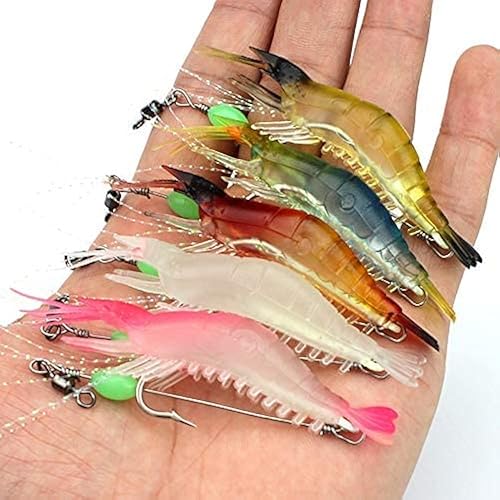
Paddle-tail swimbaits rigged on a leadhead are one of the most reliable options for redfish over grass and sand. A 3-inch to 4-inch paddle tail in natural colors like pearl, watermelon, or electric chicken tends to cover water well. Shrimp-style soft plastics with antennae and a flexible tail work especially well in clear water where redfish can inspect the bait closely. Hop them along the bottom with short lifts of the rod tip, then let them fall on slack line.
Gold Spoons
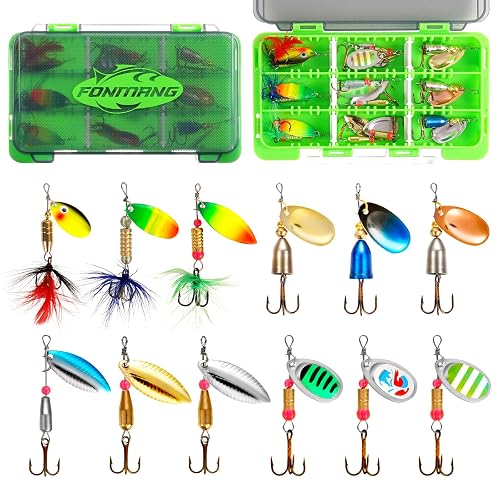
Gold spoons, usually 1/2 to 1 ounce, mimic a wounded baitfish and flash well in stained water. A spoon retrieved steadily with occasional pauses draws strikes from reds cruising shallow flats. Many anglers use them when visibility is low or when fish are chasing bait on the surface.
Topwater Plugs
Walk-the-dog style topwater plugs, around 4 to 5 inches long, can produce explosive strikes on calm mornings and evenings. They work best when redfish are actively pushing bait on the surface, which you’ll often spot as small wakes or tailing fish. Keep your retrieve steady and allow short pauses so the plug sits still for a moment before you twitch it again.
Gulp-Style Scented Baits
Scented soft baits, including shrimp and crab-flavored versions, add a strong chemical trail that helps redfish find the bait in murky water. Many anglers rig them weedless on a jighead or a light Texas rig to fish through grass without constant snags.
How to Choose Size, Weight, and Color
Match the Bait Size to the Forage
Redfish feed on a wide range of prey sizes, but a 3-inch to 4-inch lure covers most situations. Go smaller, around 2 to 3 inches, when bait is tiny or the water is very clear. Go larger, up to 5 inches, when you’re targeting bigger fish or trying to attract attention across wider flats.
Pick Jighead Weight by Depth and Current
Use the lightest jighead that still lets you feel bottom. A common starting range is 1/8 ounce in shallow, calm water, 1/4 ounce in moderate depth or light current, and 3/8 ounce or heavier in deeper water or strong tide.
Choose Colors for Water Clarity
| Water Condition | Color Choice | Why It Works |
|---|---|---|
| Clear water, bright sun | Natural tones (pearl, smoke, shrimp pink) | Mimics real prey closely |
| Stained or tannic water | Chartreuse, gold, or bright white | Creates contrast and flash |
| Muddy or murky water | Dark colors with scent | Silhouette and smell help fish locate the bait |
| Low light (dawn, dusk) | Black, purple, or dark with a glow element | Stronger silhouette against the sky |
How to Fish Red Drum Lures Step by Step
- Find the fish first. Look for tailing reds in shallow water, rolling fish on the surface, or mud and grass edges where crabs hide.
- Pick your lure based on conditions. Use the table above and the size guidelines to narrow your choice to two or three options.
- Cast beyond the fish. Land your lure a few feet past the target so you don’t spook it on the splash.
- Let it settle. Soft plastics and jigs should reach the bottom before you start moving them.
- Retrieve with action. Lift the rod tip 12 to 18 inches, then drop it back on slack line. Repeat, and watch the line for taps.
- Set the hook on a firm pull. Redfish often mouth the bait softly, so reel down and lift steadily rather than yanking.
Adjust the Retrieve for Tide and Temperature
On incoming tides, reds often move onto flats to feed, so a steady, moderately fast retrieve can work well. On falling tides, they tend to hold near drains and channels, where slower presentations near the bottom are usually more productive. In cold water, slow the retrieve dramatically and fish the bait close to the bottom with longer pauses.
Tools and Setup Checklist
- Medium-heavy or medium spinning rod, 7 to 7.5 feet, for casting jigs and spoons
- Spinning reel in the 2500 to 3000 size range spooled with 15- to 20-pound braided line
- Fluorocarbon leader, 20 to 30 pounds, about 2 feet long, to reduce visibility
- Assorted jigheads in 1/8, 1/4, and 3/8 ounce weights
- Paddle-tail and shrimp-style soft plastics in natural and bright colors
- One or two gold spoons and a topwater plug for variety
- Pliers for safe hook removal and a small landing net
For storage and organization of all these baits, Using Utility Boxes for Fishing Lure and Tackle Storage offers practical ideas. If you’re building a set on a budget, How to Choose a Good Value Fishing Lure Set explains what to look for.
Recommended gear
A braided main line with a fluorocarbon leader gives you strong hooksets and low visibility near the bottom, which suits redfish well. A quality braid in the 15- to 20-pound range is a solid starting point.
Lightweight jigheads in several weights let you adjust depth and current quickly without carrying a large tackle box. Look for sharp, corrosion-resistant hooks since redfish fight hard on the flats.
Paddle-tail soft plastics in a 3- to 4-inch size cover most red drum situations. Choose a few natural colors and one bright option for stained water.
A small fluorocarbon leader spool lets you tie a stealthy connection between your braid and lure in clear water, where redfish can be line-shy.
Common Mistakes
- Using lures that are too big. Oversized baits can spook fish in clear water. Start smaller and scale up only if you’re not getting attention.
- Reeling too fast. Redfish often prefer a slow presentation near the bottom, especially in cooler water.
- Ignoring the tide. The same spot can fish very differently on a rising versus falling tide.
- Setting the hook too hard. Soft mouthing is common, and a gentle but firm hookset avoids pulling baits away.
- Skipping the leader. Redfish live around shell, oysters, and grass, and a abrasion-resistant leader saves a lot of lost fish.
- Sticking with one color. Water clarity changes throughout the day. Keep a few options ready and switch when bites slow down.
Tips for Better Results
- Watch for wakes and tails on calm flats, especially during the first two hours after sunrise.
- Rinse and dry your soft plastics after saltwater trips to extend their life.
- Keep a log of what works in each spot. Redfish often return to the same features, and notes help you repeat success.
- Practice landing fish with minimal handling to protect the resource and improve your odds of a quick release.
FAQ
What is the best lure for red drum?
A 3- to 4-inch paddle-tail soft plastic on a jighead is one of the most consistent choices. Gold spoons and topwater plugs are strong options in specific conditions.
What color lure works best for redfish?
Natural colors such as pearl or shrimp tones work well in clear water. Chartreuse, gold, and bright white perform better in stained water, while dark colors suit murky conditions.
What weight jighead should I use for red drum?
Most anglers start with 1/8 ounce in shallow water, 1/4 ounce in moderate depth, and 3/8 ounce or heavier in deep water or strong current.
Do red drum bite topwater lures?
Yes, especially on calm mornings and evenings when fish are actively pushing bait on the surface. Look for tailing fish or small wakes as a sign.
What line should I use for redfish?
A braided main line in the 15- to 20-pound range paired with a fluorocarbon leader of about 20 to 30 pounds is a common and effective setup.
How do I find red drum before casting?
Look for tailing fish in shallow water, surface wakes, and mud or grass edges. Redfish often feed along these areas on moving tides.
Are red drum lures different from speckled trout lures?
There is overlap, but redfish tend to hold closer to the bottom and around structure, so heavier jigheads and bottom-hugging presentations are often more productive.
Should I check local regulations before fishing for red drum?
Yes. Size and bag limits for red drum vary by state and change over time, so check your state wildlife agency’s current rules before you fish.
Conclusion
Red drum respond best when you match lure type, size, and color to the water and conditions in front of you. Start with paddle-tail soft plastics on lightweight jigheads, add a gold spoon and topwater plug for variety, and adjust your retrieve for tide and temperature. With a simple setup and the right presentation, you’ll catch more redfish and spend less time guessing.