 By Claire Whitaker
Updated November 2026
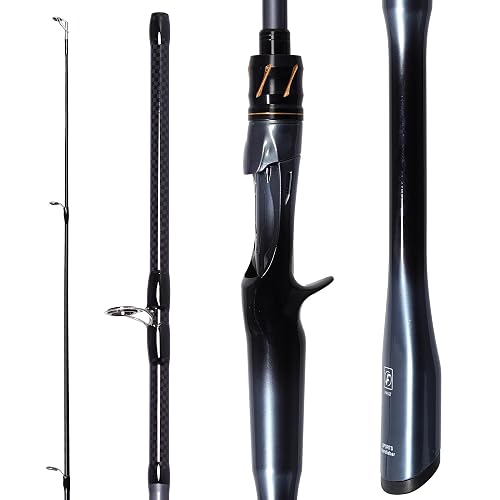
A bucktail jig fishing rod is a medium-power or medium-heavy rod built to cast, feel and set the hook on a hair-skirted jig. Pick the right length, power and action, and you’ll get longer casts, better bottom contact and more solid hookups. This guide walks through what to look for and how to fish with it.
Choose the Right Power and Action
Most bucktail jigs run between 1/8 and 1 ounce, so a rod rated for medium power with a moderate-fast action covers the widest range. Light bucktails in the 1/8 to 3/16 ounce range suit a medium-light rod, while 3/8 ounce and heavier calls for a medium or medium-heavy blank. A fast action helps you feel bites and drive the hook home, but a slightly softer tip keeps the jig from tearing away from fish during the fight.
Shopping for one? See our guide: 6 Best Paints for Fishing Lures: Picks for Jigs, Spoons and Crankbaits.
Pick a Length That Fits Your Fishing
Lengths between 6 and 7 feet work well for most bucktail situations. Shorter rods of about 6 feet give you more control when flipping into cover or working tight to docks, while 7-foot rods add casting distance and help when you’re fishing open water or working a shoreline. Longer rods also make it easier to keep line off the water when you’re swimming a jig over weeds.
Match the Rod to Your Line and Reel
A bucktail rod should balance well with your reel and line. Most anglers use a reel in the 2500 to 3000 size range with 10 to 15 pound braid or 8 to 12 pound fluorocarbon. Check the line rating printed on the rod blank and stay within it, since exceeding that rating can damage the blank and reduce sensitivity.
Quick setup checklist
- Choose a medium or medium-heavy rod between 6 and 7 feet.
- Match the rod’s lure weight rating to the jigs you plan to fish most.
- Spool a reel of matching size with braid or fluorocarbon within the rod’s line rating.
- Carry bucktail jigs in at least two weights for changing depths.
- Inspect the guides and tip before each trip.
How to Fish a Bucktail Jig with Your Rod
Cast past your target, let the jig sink to the bottom, then bring it back with short lifts of about 12 to 18 inches, followed by pauses that let the skirt flutter. Keep the rod tip up and feel for the jig touching bottom. Most strikes come on the fall or during a pause, so watch your line where it enters the water and set the hook with a firm sweep of the rod rather than a jerk.
Recommended gear
A sensitive braid-compatible spinning reel helps you feel light bites on a bucktail, and a braided main line with a fluorocarbon leader gives you good strength and low visibility. A small set of spare bucktail jigs in matching colors lets you adjust quickly when the bite changes.
- A spinning reel in the 2500 to 3000 size class for balanced pairing with a medium-power rod: View on Amazon
- Braided fishing line for sensitivity and strength when fishing bucktails in heavy cover: View on Amazon
- Bucktail jigs with hair skirts in assorted weights for changing depths: View on Amazon
Common Mistakes to Avoid
- Using a rod that’s too light for the jig weight, which makes casting inaccurate and hooksets weak.
- Overloading the rod with line heavier than its rating.
- Jerking the rod on every bite instead of reeling down and sweeping the hook.
- Letting the jig sit too long without movement, which reduces its action.
- Ignoring rod guides that are chipped or grooved, since rough spots can nick your line.
FAQ
What rod power is best for bucktail jigs?
Medium power covers most bucktail weights from 1/8 to 3/8 ounce. Move up to medium-heavy if you regularly fish heavier jigs or thick cover.
Is a bucktail jig rod the same as a regular jig rod?
Often yes, since both are built for lure fishing with a sensitive tip and enough backbone to set hooks. Check the lure weight rating on the blank to confirm it suits your bucktails.
What length rod should I start with?
A 6 to 7 foot medium-power spinning rod is a flexible starting point. It handles most bucktail situations from shore or boat.
Conclusion
A well-matched bucktail jig fishing rod gives you control, sensitivity and enough power to handle both finesse and heavier presentations. Match the power and length to your typical jig weight, pair it with a balanced reel and line, and practice the lift-and-pause retrieve. Read through Bucktail Jig Fishing Lures: A Step-by-Step Guide for Bass and Walleye and Fishing Rod Power Explained for more detail on setting up your rod.
Related reading
- Jig Fishing Rigs and Techniques for Bass
- Fishing Lures Jig Heads: 6 Best Picks for Bass, Crappie and Walleye (2026)
- Wall Mount Fishing Rod Holders: Install Them Right in 6 Steps
Ready to choose one?
About Claire Whitaker
Claire Whitaker is part of our editorial team and reviews and edits our freshwater fishing tackle on a budget guides, checking product details against manufacturer specifications and owner feedback.