
 By Claire Whitaker
Updated November 2026
Choosing a fenwick world class fishing rod comes down to matching action, power and length to the fish you chase and the way you fish. This list weighs each option against four criteria: the rod type (casting or spinning), the intended species, the power and action rating listed by the manufacturer, and how the rod suits everyday freshwater use. Product listings and owner feedback patterns guided the ranking.
Best overall: Fenwick World Class Casting Fishing Rod – View on Amazon
Best for ice fishing: Fenwick HMG Ice Fishing Spinning Rod – View on Amazon
Best for heavy cover: Fenwick Elite Predator Casting 8FT6IN 2Pc Extra Heavy – View on Amazon
Best for walleye: Fenwick Eagle Walleye 6FT6IN Medium 2pc Spinning Rod – View on Amazon
Best for light spinning: HMG Spinning Rods by Fenwick – View on Amazon
Best for general casting: Fenwick Eagle Casting Rods – View on Amazon
Best for walleye spinning: Fenwick HMG® Walleye Spinning Rod – View on Amazon
Our Top Picks
Quick Comparison
| Product | Best for | Key feature |
|---|---|---|
| Fenwick World Class Casting Fishing Rod | Overall casting | Versatile casting action |
| Fenwick HMG Ice Fishing Spinning Rod | Ice fishing | Sensitive tip for ice |
| Fenwick Elite Predator Casting 8FT6IN 2Pc Extra Heavy | Heavy cover | Extra heavy power rating |
| Fenwick Eagle Walleye 6FT6IN Medium 2pc Spinning Rod | Walleye | Medium power, two-piece |
| HMG Spinning Rods by Fenwick | Light spinning | Lightweight graphite build |
| Fenwick Eagle Casting Rods | General casting | Budget-friendly casting line |
| Fenwick HMG® Walleye Spinning Rod | Walleye spinning | Sensitive walleye bite detection |
Fenwick World Class Casting Fishing Rod

Fenwick World Class Casting Fishing Rod
Best for: Overall casting We also found Fenwick World Class Ice Fishing Spinning Rod: Setup and Buying Guide useful on this point.
A solid pick for anglers who want one casting rod that handles bass, pike and general freshwater work.
Pros
- Balanced action for varied lure weights
- Familiar World Class build for casting
Cons
- Less specialized than a dedicated heavy rod
Fenwick HMG Ice Fishing Spinning Rod
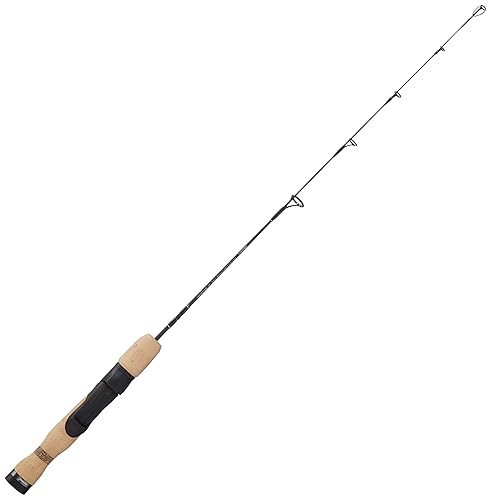
Fenwick HMG Ice Fishing Spinning Rod
Best for: Ice fishing
Built for anglers working small jigs and tip-ups through the hole in cold conditions.
Pros
- Sensitive tip for detecting light bites
- Short length suits tight ice spots
Cons
- Limited use outside winter fishing
Fenwick Elite Predator Casting 8FT6IN 2Pc Extra Heavy

Fenwick Elite Predator Casting 8FT6IN 2Pc Extra Heavy
Best for: Heavy cover
Suits anglers pulling big lures or fish out of weeds, timber and rocky structure.
Pros
- Extra heavy power handles large fish
- 8-foot-6 length adds casting distance
Cons
- Heavier feel for finesse presentations
Fenwick Eagle Walleye 6FT6IN Medium 2pc Spinning Rod

Fenwick Eagle Walleye Spinning Fishing Rod, 6'6", 2pc, 6-12 lb, Fast
Best for: Walleye
A fit for walleye anglers working jigs and minnows in open water and along break lines.
Pros
- Medium power suits jigs and live bait
- Two-piece design eases transport
Cons
- Not ideal for very heavy lures
HMG Spinning Rods by Fenwick

HMG Spinning Rods by Fenwick
Best for: Light spinning
Works for anglers targeting panfish, trout and smaller bass with light line and small lures.
Pros
- Lightweight graphite build reduces fatigue
- Good sensitivity for small bites
Cons
- Lacks backbone for large fish
Fenwick Eagle Casting Rods
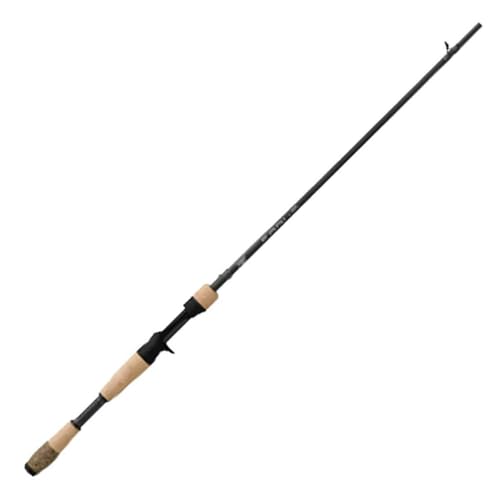
Fenwick Eagle Bass Casting Fishing Rod, 7'3", 1pc, Medium Heavy, Fast
Best for: General casting
A practical choice for beginners and casual anglers who want a dependable casting rod for everyday trips.
Pros
- Simple, versatile casting action
- Works across common freshwater species
Cons
- Fewer specialized features than premium models
Fenwick HMG® Walleye Spinning Rod

Fenwick HMG® Walleye Spinning Rod
Best for: Walleye spinning
Aimed at walleye anglers who rely on a sensitive tip to feel subtle bites while jigging.
Pros
- Sensitive tip for jig fishing
- Lightweight HMG construction
Cons
- May feel light for bigger pike
Buying Guide
Rod Type: Casting or Spinning
Casting rods use a reel mounted on top and suit heavier lures, braided line and fishing in heavy cover. Spinning rods use a reel hung below the rod and are easier to learn, which makes them a good fit for light lures, finesse presentations and walleye or trout work.
Target Species and Fishing Environment
Match the rod to the fish you pursue most often. Bass anglers working brush, docks and weed beds usually want a stiffer rod with more backbone, while walleye and trout anglers often prefer a lighter, more sensitive tip for detecting subtle bites.
Power and Action Ratings
Power describes how much force it takes to bend the rod, usually labeled from ultralight to heavy. Action describes where the rod bends, with fast action flexing near the tip for quick hooksets and slow action bending deeper into the blank for a more forgiving feel.
Rod Length and Piece Count
Longer rods cast farther and help control line on larger water, while shorter rods offer better accuracy and handling in tight spots. Two-piece rods are easier to transport and store, though one-piece rods typically have a smoother, more consistent action.
Build Quality and Intended Use
Look at the blank material, guide setup and reel seat, since these affect durability and sensitivity over many seasons of use. Consider how often you will fish and whether you need a general-purpose rod or one built for a specific job like ice fishing.
FAQ
Which Fenwick World Class rod is best for beginners?
A spinning rod is usually the easiest starting point because it is simpler to cast and forgiving of mistakes. Choose a medium power, moderate or fast action rod in a length around six and a half to seven feet for versatile freshwater use.
Can one rod handle both bass and walleye?
Yes, a medium power rod with a moderate action can cover both species reasonably well. Anglers targeting heavy cover for bass may prefer a stiffer rod, while walleye fishing often benefits from a lighter tip for sensing bites.
What power and action should I pick for trout?
Trout generally respond best to light or ultralight power rods with a fast or moderate-fast action. This setup allows delicate presentations with small lures and helps you feel light strikes.
Is an ice fishing rod different from a regular spinning rod?
Ice fishing rods are shorter and more sensitive, designed for vertical jigging through a hole in the ice. They pair well with small reels and light line, so a regular open-water spinning rod is not a substitute for dedicated ice work.
How should I care for my rod to make it last?
Rinse the rod with fresh water after saltwater or muddy trips, and dry it before storing. Keep it in a rod case or rack away from extreme heat and cold, and check guides and ferrules periodically for damage.
Conclusion
Anglers who want one versatile all-around rod for everyday freshwater fishing should start with the best overall pick, while ice fishers should choose the dedicated HMG ice model. Those who regularly fish heavy cover for bass will benefit most from the extra heavy Elite Predator, and walleye specialists should compare the Eagle Walleye and HMG Walleye spinning options.
Trout and light-tackle anglers will get the most out of the lighter spinning rods, while buyers who prefer casting setups for bass and larger lures should look at the Eagle casting models. Matching power, action and length to your target species is the surest way to pick the right Fenwick rod.
Related reading
- How to Choose a Travel Fishing Rod: A Complete Guide
- Ultralight Fishing: Rod Selection and Finesse Techniques
- Telescopic Fishing Rods: Pros, Cons, and Key Features
- How to Inspect Fishing Rod Guides for Damage
- How to Clean Fishing Rods
- How to Choose a Fishing Rod
- Fishing Rod Power Explained
- Fishing Rod Materials Compared: Graphite, Fiberglass, and Composite
About Claire Whitaker
Claire Whitaker is part of our editorial team and reviews and edits our freshwater fishing tackle on a budget guides, checking product details against manufacturer specifications and owner feedback.


