As an Amazon Associate I earn from qualifying purchases. This page may contain affiliate links.
Bass lures and baits can look like a confusing wall of options, but choosing them comes down to a few repeatable questions: where the fish are, how deep they are holding, and what they are reacting to. This guide walks you through those questions in order, so you can build a small, versatile collection of bass lures and bait that covers most situations without overspending.
Why the Right Bass Lures and Baits Matter More Than the Brand
Bass respond to size, profile, movement and color far more than to any single brand name. A plain soft plastic worm rigged correctly will outfish a flashy hard bait that runs at the wrong depth. Start by thinking about the job each lure needs to do, then shop for that job.
Step 1: Identify Your Water and Cover
Bass position themselves around structure and cover, and the type of water you fish narrows your choices quickly.
- Clear lakes and reservoirs: Bass can be wary. Natural colors, smaller profiles and finesse presentations often work best.
- Stained or muddy water: Bass rely more on vibration and scent. Bright chartreuse, white and black-and-blue colors are common choices, along with lures that make noise.
- Grass, weeds and lily pads: Weedless presentations, frogs and heavier rigs let you work the edges without snagging.
- Rocky or hard-bottom areas: Crawfish imitations and jigs are a strong match because they resemble natural forage on the bottom.
- Open water and points: Moving baits like crankbaits, swimbaits and spinnerbaits cover ground quickly to locate active fish.
Step 2: Match Lures to the Depth You Want to Fish
Depth is one of the easiest variables to control. Diving crankbaits, for example, are rated by the depth they reach on a standard cast with a specified line, and manufacturers print that information on packaging. A shallow-running crankbait may only reach a few feet, while a deep diver can reach well over ten feet. Pick baits whose running depth roughly matches where you see or expect fish to be.
Step 3: Choose Your Core Bass Bait Categories
Most anglers build a kit around a handful of categories rather than dozens of individual lures. The following groups cover the majority of bass fishing situations.
Soft Plastics
Soft plastic worms, creature baits and craws are some of the most versatile bass baits and lures you can own. They work on a Texas rig, a Carolina rig or a jig head, and they can be fished slowly in cover or hopped along the bottom. Pick a few natural colors such as green pumpkin and watermelon, plus one bright option for stained water. For a deeper look at rigging, see How to Fish with Soft Plastic Worms for Bass and Soft Plastic Fishing Lures Explained.
Jigs
A jig, paired with a trailer such as a craw or a pork frog, is a dependable choice for bottom-oriented bass. Jigs excel around rock, wood and docks. Our guide to Jig Fishing Rigs and Techniques for Bass covers trailer choices and hop-and-drag retrieves in more detail.
Crankbaits and Lipless Crankbaits
Crankbaits imitate baitfish and crawfish, and they trigger reaction strikes when bass are active. Lipless crankbaits, which have no diving lip, are good for covering water and can be worked through grass and over humps. Choose a shallow, medium or deep runner depending on the depth you identified in Step 2.
Spinnerbaits and Buzzbaits
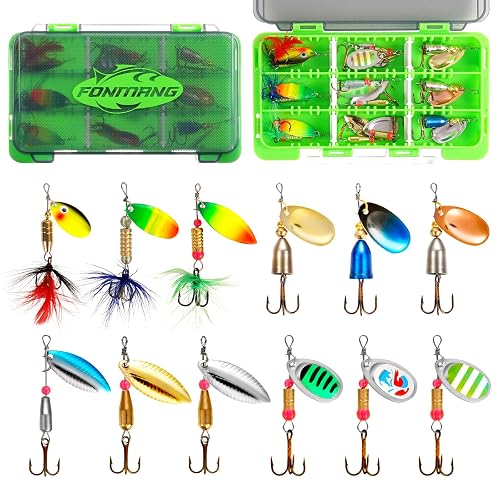
Spinnerbaits flash and thump, making them effective in stained water and around cover. Buzzbaits move across the surface and are useful in the warmer months. Our article on Spinnerbait Fishing Techniques for Bass and Pike explains blade selection and retrieve speeds.
Topwater Lures
Topwater bait is one of the most exciting ways to catch bass, especially in low light. Poppers, walking baits and frogs each suit different moods of the fish. For help with timing and conditions, read How to Select the Right Topwater Lure for Conditions and Best Topwater Lures.
Step 4: Build a Starter Kit Around Seasons
You do not need every bait on the market. Bass behavior shifts through the year, and a small seasonal rotation covers most of it.
| Season | Water Temperature (typical) | Bass Behavior | Lures to Try |
|---|---|---|---|
| Spring | 50–65°F | Shallow, spawning near banks | Soft plastic worms, jerkbaits, lipless crankbaits |
| Summer | 70–85°F | Deeper, near cover and structure | Jigs, Texas-rigged soft plastics, topwater in the morning |
| Fall | 55–70°F | Feeding heavily, moving to shallows | Crankbaits, spinnerbaits, swimbaits |
| Winter | Below 50°F | Slow, deep, tight to structure | Slow-fall jigs, small finesse soft plastics |
Water temperature ranges are general guidelines and vary by region, so use them as a starting point and adjust based on what you observe.
Step 5: Pick Colors and Sizes Methodically
Color matters most in clear water and at certain times of day. In clear, bright conditions, natural shad and green pumpkin patterns tend to look realistic. In murky water or under overcast skies, go bolder with chartreuse, white or dark silhouettes. For size, start with a medium profile and go smaller when fish are pressured or inactive, and larger when you want to target bigger bass.
Step 6: Keep Your Lures in Good Condition
Dull hooks, cracked plastics and tangled blades all reduce catch rates. Sharpen hooks regularly, replace split rings that look worn, and keep soft plastics out of direct heat. Cleaning hard baits after saltwater or muddy trips also prevents corrosion. For a routine, see How to Clean Fishing Lures for Better Performance. Storing everything in a sorted box makes it far easier to find the right bait quickly, and Using Utility Boxes for Fishing Lure and Tackle Storage covers organization ideas.
Checklist: What to Carry on a Basic Bass Trip
- Two or three soft plastic worms or creature baits in natural colors
- One bright soft plastic for stained water
- A jig in 1/4 or 3/8 ounce with a matching trailer
- One square-bill or lipless crankbait in a shallow-to-medium runner
- One spinnerbait in white or chartreuse
- One topwater popper or walking bait
- Bullet weights, hooks in sizes 1/0 to 3/0, and a few swivels
- Pliers, line clippers and a small hook file
Common Mistakes
- Buying too many similar baits. Five nearly identical crankbaits teach you less than two different styles fished well.
- Ignoring depth. A bait that never reaches the strike zone will not catch fish, no matter how good it looks.
- Using the same retrieve every time. Change speed, pause time and cadence until you find what triggers bites.
- Mismatching line and bait. Heavy line can kill the action of small lures, while light line may not handle big fish or heavy cover. Check the bait’s recommended line range.
- Neglecting maintenance. Dull hooks and worn lures lead to missed fish.
Tips for Getting More Out of Your Bass Baits
- Carry a mix of colors so you can respond to changing light.
- Log what works on each outing. Patterns repeat across seasons.
- Fish a bait slowly once, then speed it up, to learn how aggressive the fish are.
- Use a few tried-and-true lures rather than constantly switching when fish are not biting.
Recommended Gear
- Bullet weights let soft plastics slide through cover, making them a practical addition for Texas-rigged presentations. View on Amazon
- Plastic utility tackle box keeps baits separated and visible so you spend less time searching. View on Amazon
- Sharpening file restores hook points between trips, helping you hook and hold more bass. View on Amazon
FAQ
What are the best bass lures and baits for beginners?
A soft plastic worm, a jig, a shallow crankbait and a spinnerbait cover a wide range of conditions. Those four categories let you fish both cover and open water without a large investment.
Should I use natural or bright colors?
Natural colors usually work better in clear water and bright light. Bright chartreuse, white and dark colors are better in stained water and overcast conditions.
How do I know what depth to fish?
Use a fish finder if you have one, or look at where other anglers are catching fish. Match diving crankbaits to the depth where you expect bass to be, using the running depth listed on the package.
Do I need a lot of different bass baits?
No. A focused kit of a dozen or so well-chosen lures in several categories is enough to handle most seasons and water types.
When is topwater the best choice?
Topwater tends to be most productive in low light, such as early morning and evening, and during warmer months when bass are actively feeding near the surface.
How often should I replace soft plastics?
Replace them when they are torn, shredded or no longer hold their shape. Worn plastics lose scent and action, which reduces their effectiveness.
Are there legal restrictions on bass baits?
Some waters restrict specific bait types, such as live bait or certain lure materials. Check your state or local fishing regulations before you fish.
Conclusion
Good bass lures and baits are about matching a small set of proven categories to the water, depth and season you fish. Start with soft plastics, jigs, a crankbait, a spinnerbait and a topwater, then add colors and sizes based on what the fish show you. Keep your gear sharp and organized, and your collection will cover most bass situations for a long time.