 By Claire Whitaker
Updated November 2026
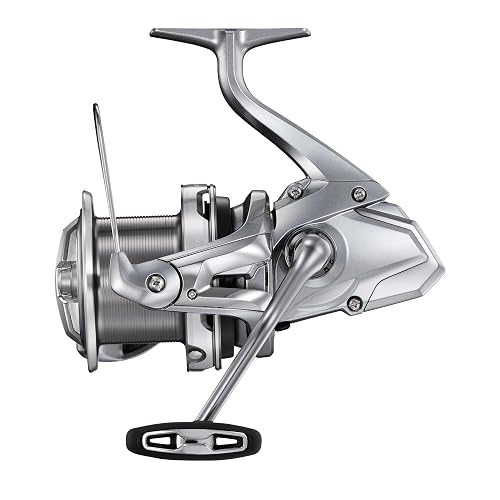
Learning how to wind a fishing reel correctly takes a few minutes and saves you from tangles, line twist and weak casts later. In this guide you will learn how to load line onto a spool, keep it even and tight, check that you have the right amount, and avoid the mistakes that cause most winding problems. The steps apply to most spinning reels and baitcasting reels, with notes where the process differs.
Why Winding Technique Matters
A reel holds line on a spool, and how that line sits on the spool affects casting distance, drag performance and how often the line snarls. Line that is wound loosely or unevenly can dig into itself, creating ridges that cause tangles and bird’s nests. Line wound too full can cast poorly, while line wound too thin can slip under pressure from a hooked fish. Getting the basics right at the start makes everything else on the water easier.
Shopping for one? See our guide: Penn Squall II Level Wind Conventional Fishing Reel Review: Who Is It For?.
Tools and Supplies You Need
- Your fishing reel, clean and free of old grit
- Fresh fishing line in the pound test and type your rod is rated for
- A pencil or dowel to hold the spool spindle if you are loading from a bulk spool
- A helper or a line spool holder, which keeps the line from twisting as it feeds
- A cloth or fingers to apply light pressure
- Scissors or line clippers
- The rod’s line rating printed on the rod blank, usually near the handle
Step-by-Step: How to Wind a Fishing Reel
Step 1: Check the Line Rating
Look at the rod blank for a line weight range, often shown in pound test. Manufacturers specify this range because lines outside it can overload the rod or reduce sensitivity. Stay within the stated range for the best balance of strength and casting performance.
Step 2: Secure the Line to the Spool
On a spinning reel, open the bail and pull a few inches of line off the spool. Tie the line to the spool’s arbor with an arbor knot or by threading it through the spool’s hole and making two or three overhand turns. On a baitcasting reel, tie the line to the spool in the same way, usually with an arbor knot, leaving a short tail. Make sure the knot is snug before you start winding.
Step 3: Load the Spool From Bulk Line
If you are loading from a large bulk spool, place the spool on a pencil or dowel and hold it so it can turn freely. Feed the line onto the reel while keeping light tension. Walking away from the reel while you wind is the most common way to introduce twist, so stay close and keep the line steady.
Step 4: Keep the Line Under Light Tension
Pinch the line lightly between your thumb and a cloth or between two fingers as it goes on. The goal is firm but not tight, enough to keep each wrap flat against the previous one. Too little tension leads to loose, bumpy wraps. Too much can stretch the line or cause it to pile up on one side of the spool.
Step 5: Lay the Line Evenly Across the Spool
On a spinning reel, the line should sit evenly across the spool from edge to edge. If you see it bunching on one side, stop and reposition. On a baitcasting reel, the level wind mechanism guides the line for you, but you should still check that it is building evenly. Uneven line lay is a frequent source of backlash.
Step 6: Fill the Spool to the Right Depth
Stop winding when the line sits about an eighth to a quarter inch below the lip of the spool. Overfilling can cause the line to spill off during a cast, while underfilling reduces casting distance because the line leaves the spool at a poor angle. Check the reel’s manual or manufacturer guidance for the recommended fill, since some reels are rated for a specific amount of line.
Step 7: Test the Wind and Trim the Tag
Once the spool is full, reel in and out a few times to make sure the line is seated well. Cut the tag end close to the knot so it cannot catch on the spool or guides. Then set your drag, close the bail, and you are ready to rig your terminal tackle.
Quick Reference Table
| Factor | Why it matters | What to aim for |
|---|---|---|
| Line tension | Controls wrap tightness and twist | Light, steady pressure |
| Line lay | Prevents bunching and backlash | Even edge-to-edge coverage |
| Spool fill | Affects casting distance and spill | About 1/8 to 1/4 inch below the lip |
| Line rating | Matches the rod’s design range | Within the pound test printed on the rod |
Spinning Reel vs. Baitcasting Reel Winding
Spinning reels are forgiving, and most anglers can wind them well after a few tries. The main concern is line twist, which builds when the spool turns while the line is free. Baitcasting reels require more care with tension and line lay, because they are more prone to backlash. For baitcasters, many anglers aim for a slightly tighter wind and check for even spooling across the entire surface.
Common Mistakes
- Winding with the bail open on a spinning reel by mistake: the line may bunch or roll off the spool.
- Letting the bulk spool spin freely: this introduces twist and loose coils.
- Overfilling the spool: line can spill during casts and tangle around the spool lip.
- Skipping the arbor knot: a loose attachment can slip under load.
- Winding too fast: rushing makes uneven lay and heat-related line stress more likely.
- Ignoring line age: old line that has been stored in heat or sun can be brittle, so replace it when it is damaged or worn.
Tips for Better Results
- Wet the line lightly before winding to reduce friction and help it settle.
- Wind in a cool, dry place to avoid kinks from sun-warmed line.
- Check line condition every few trips and replace it if it shows nicks, fraying or stiffness.
- Keep your drag set light during winding so you do not overtighten the line.
- If you notice twist, reel the line back onto the spool with the drag set firmly and let the spool turn against the pressure to work the twist out.
Recommended gear
A simple line spool holder keeps bulk line from twisting as it feeds onto the reel, which is the most common cause of memory and coil problems. View on Amazon
A small line clipper with a strong, sharp blade makes clean cuts at the knot and tag end. View on Amazon
A spool of braided line in the right pound test is useful for practicing winding because it is thin and holds a tight wrap well. View on Amazon
For related setup steps, see How to Tie Fishing Line to Conventional Reel: A Step-by-Step Guide for Beginners and How to Use a Conventional Fishing Reel: A Step-by-Step Guide for Beginners. If your reel is slipping or grinding after you load it, Common Fishing Reel Problems and How to Fix Them covers the likely causes.
FAQ
How full should I fill my fishing reel spool?
Fill the spool until the line sits about an eighth to a quarter inch below the lip. This gives good casting distance without causing spill. Check the reel’s manual for any manufacturer-specified fill level.
Should I use a line spool holder when winding?
Yes, a spool holder or pencil through the bulk spool lets it turn freely in a controlled way. This helps prevent line twist and loose coils as you wind.
Why does my fishing line keep twisting when I wind it?
Twist usually comes from a bulk spool that spins uncontrolled or from winding with the line hanging loose. Keep steady tension and let the spool turn only as line feeds on. If twist is already in the line, reel it back on with the drag set firmly.
Do I need to wet the line before winding?
Lightly wetting monofilament or fluorocarbon can reduce friction and help the line settle. Braided line is often wound dry, though some anglers still lightly dampen it. Follow the line manufacturer’s guidance if you have it.
How do I wind a baitcasting reel without backlash?
Keep steady tension, check that the line is laying evenly across the spool, and avoid overfilling. Setting the spool tension correctly and using the level wind properly also helps reduce the chance of backlash.
What knot should I use to attach line to the spool?
An arbor knot is the standard choice for attaching line to a reel spool. It holds well under load and keeps the line from slipping on the arbor.
How often should I replace fishing line on my reel?
Replace line when it shows nicks, fraying, stiffness, or visible sun damage, and consider refreshing it periodically if you fish often. Line that has been sitting on a reel for a long time can lose strength.
Is it safe to wind a reel in cold weather?
Cold line can be stiff and more prone to coiling, so give it time to warm and wind carefully. If you have concerns about line strength in extreme conditions, check with the line manufacturer or a local tackle shop.
Conclusion
Winding a fishing reel well comes down to steady tension, even line lay and the right spool fill. Match your line to the rod’s rating, tie a secure arbor knot, and check your work before you head to the water. With these habits, you will spend less time untangling line and more time fishing.
Ready to choose one?
About Claire Whitaker
Claire Whitaker is part of our editorial team and reviews and edits our freshwater fishing tackle on a budget guides, checking product details against manufacturer specifications and owner feedback.