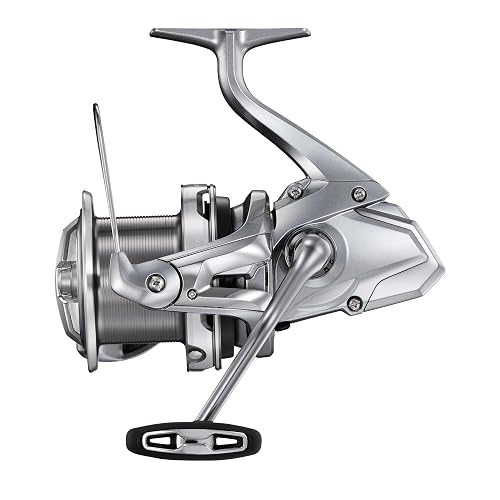
 By Claire Whitaker
Updated November 2026
A fishing reel size guide helps you pick a reel that fits the fish you are chasing, the line you plan to spool and the rod you already own. Reel sizes are numbered by manufacturers, but those numbers mean different things across brands and reel types. By the end of this guide, you will know how to read those numbers, match a size to your target species and avoid the most common buying mistakes.
Why Reel Size Matters More Than Most Anglers Expect
Reel size controls how much line the spool holds, how much cranking power you get, and how much drag the reel can handle before something gives. A reel that is too small for the fish will run out of line or overheat its drag. A reel that is too big will feel clumsy, add weight to a light rod and cost you casting distance with lighter lures. Matching the reel to the job is the single most effective way to get consistent results from a setup that does not cost much.
Shopping for one? See our guide: Piscifun Chaos Pro CNC Baitcasting Reel Freshwater Fishing Review (2026).
Understanding Reel Size Numbers
Most spinning reels are labeled with a four-digit or three-digit number such as 1000, 2500, 3000 or 4000. Baitcasting reels use a different system, often with a model code and a gear ratio printed on the side plate. Conventional reels, the larger round reels used for heavier saltwater and freshwater species, are typically sized by a number like 20, 30 or 50, though some brands use their own scales.
For spinning reels, the first digit or first two digits roughly indicate the spool size, and a larger number means a larger spool that holds more line. Because each manufacturer draws its own scale, a 2500 from one brand may hold noticeably different line capacity than a 2500 from another. Always check the line capacity printed on the reel or listed in the manufacturer’s specifications before you buy.
If you want a deeper look at the reel categories themselves, Types of Fishing Reels: Spinning, Baitcasting, Spincast and Conventional covers how each style works and where it fits.
Step-by-Step: Choosing the Right Reel Size
Step 1: Identify Your Target Species
Start with the fish you catch most often. Panfish, trout and small bass need light reels in the 1000 to 2500 spinning range. Largemouth bass and walleye usually suit 2500 to 3000 reels. Catfish, big saltwater species and heavy-cover bass often call for 4000 and larger spinning reels or a baitcasting reel with more line capacity.
Step 2: Match the Line Weight
Line capacity is the practical limit that matters most. Check the reel’s listed capacity for both monofilament and braided line, then compare it to the amount you plan to spool. Most anglers should spool enough line to fill the spool to about one-eighth of an inch below the lip, which leaves room for the line to pack evenly without overfilling.
| Target Species | Typical Spinning Reel Size | Common Line Weight | Rod Length Often Paired |
|---|---|---|---|
| Trout and panfish | 1000 to 2000 | 2 to 6 lb monofilament or 4 to 10 lb braid | 5 to 6 feet, light action |
| Largemouth and smallmouth bass | 2500 to 3000 | 8 to 12 lb monofilament or 10 to 20 lb braid | 6 to 7 feet, medium action |
| Walleye and pike | 3000 to 4000 | 10 to 15 lb monofilament or 15 to 30 lb braid | 6.5 to 7 feet, medium-heavy action |
| Catfish and heavy cover | 4000 to 5000 | 15 to 25 lb monofilament or 30 to 50 lb braid | 7 feet, heavy action |
These ranges are general starting points. Manufacturers specify the maximum line rating for each reel and rod, and you should stay within those limits.
Step 3: Check the Gear Ratio and Retrieve Speed
Gear ratio tells you how many times the spool turns for each full turn of the handle. A ratio around 5.2:1 is considered a moderate retrieve, suitable for most spinning work. Higher ratios bring line in faster and suit fast-moving lures, while lower ratios give more torque for cranking through heavy cover or reeling in larger fish. The gear ratio does not change the size of the reel, but it does change how the reel performs with a given spool size.
Step 4: Balance the Reel With the Rod
A reel should sit comfortably on the rod, with the reel seat supporting its weight. A light reel on a heavy rod feels unbalanced and tires your wrist, while a heavy reel on a light rod makes the tip droop. Hold the rod in your normal fishing position and see whether the setup feels level. If it tips forward or backward, try a smaller or larger reel size.
Step 5: Confirm Drag Capacity
Drag capacity should exceed the strength of your line at the set point, and the reel’s drag rating should cover the largest fish you expect. Manufacturers list maximum drag values in pounds. For most bass and trout work, a drag of 8 to 12 pounds is adequate. For catfish or larger freshwater species, look for a higher rating and a smooth drag system that does not stutter under load.
Reel Size for Baitcasting and Conventional Reels
Baitcasting reels are generally described by a model number and a line capacity rather than a simple size number, so check the specifications on the packaging. Smaller baitcasters suit lighter lures and bass, while larger frames handle heavier line and bigger fish. Conventional reels follow the same logic: higher size numbers mean more line capacity and more drag power. For a broader view of these reels, see What Is a Conventional Fishing Reel? A Beginner's Guide (2026).
Common Mistakes When Sizing a Reel
- Buying by number alone. A size 2500 from one brand may not match the capacity of another brand’s 2500. Always check the line capacity listed.
- Overfilling the spool. Packing line to the lip causes tangles and uneven casts. Leave a small gap below the lip.
- Ignoring the rod’s line rating. The rod has a recommended line and lure weight range printed on the blank. Exceeding it can cause rod damage.
- Choosing a reel that is too large for the lure weight. Heavy reels cast less distance with light lures and feel awkward on small rods.
- Neglecting drag settings. Setting drag too tight can break line on a hard run. Set it at roughly one-third of line strength and adjust as needed.
Tips for Getting the Most From Your Reel Size
- Write down the line capacity of each reel you own so you can grab the right spool quickly.
- Carry a second spool of line in a different weight if you fish a mix of open water and heavy cover.
- Spool braided line on a backing of monofilament if the spool is deep, so you do not need as much braid.
- Rinse reels with fresh water after saltwater trips and check drag washers periodically.
- If you are unsure about a size, compare reels in person at a shop before committing, and read Spinning Reel Sizes Explained for a side-by-side breakdown.
Recommended gear
A small set of tools makes it easier to measure line capacity and fill a spool correctly. A line spooler keeps tension even while you load line, which prevents the tangles and uneven layers that cause bad casts.
- Penn Fierce III spinning reel is a widely sold spinning reel in several sizes, useful for comparing line capacity across the range. View on Amazon
- Shimano Sienna spinning reel is a common budget-friendly option in multiple sizes, which makes it a practical reference when you are learning how size relates to line capacity. View on Amazon
- KastKing Brutus spinning reel is a popular option for anglers who want a lighter spinning reel with a range of gear ratios. View on Amazon
FAQ
What does a reel size number mean?
A reel size number roughly indicates spool size and line capacity, with higher numbers meaning more line. The exact capacity varies by manufacturer, so always check the listed line capacity.
What reel size is best for bass?
Most anglers use a 2500 to 3000 spinning reel for largemouth and smallmouth bass. Heavier cover or larger bass may call for a 3000 to 4000 size.
Can I use a larger reel on a small rod?
You can, but the setup may feel unbalanced and reduce casting comfort. Check that the reel seat supports the weight and that the rod’s recommended lure range is respected.
How do I know how much line to spool?
Fill the spool to about one-eighth of an inch below the lip. Overfilling causes tangles, and underfilling reduces the line capacity you can use.
Does gear ratio affect reel size?
No. Gear ratio determines how quickly the line is retrieved for each handle turn, while reel size determines how much line the spool holds.
Should I match reel size to the rod’s line rating?
Yes. The rod’s printed line and lure weight range should guide the line you spool and the reel you choose, so the whole setup stays within safe limits.
Is a bigger reel always stronger?
Not necessarily. Strength depends on the drag system, gearing and build quality as well as size. A larger reel adds capacity, but a well-built mid-size reel can outperform a poorly made larger one.
Conclusion
The right reel size depends on your target species, the line you plan to use and the rod you already own. Check line capacity rather than trusting the size number alone, and make sure the reel balances well on your rod. Follow the steps above and you will avoid most of the sizing mistakes that frustrate new anglers.
Related reading
- How to Maintain a Fishing Reel
- How to Choose a Fishing Reel
- Fishing Reel Materials: Graphite vs. Aluminum vs. Composite
Ready to choose one?
About Claire Whitaker
Claire Whitaker is part of our editorial team and reviews and edits our freshwater fishing tackle on a budget guides, checking product details against manufacturer specifications and owner feedback.