 By Claire Whitaker
Updated November 2026
The shimano curado dc fishing reel line is built around one idea: a low profile baitcaster with a digital control braking system that helps beginners and intermediate anglers avoid backlashes. This review looks at the CUDC150HGA 150A model based on its listed specifications and the patterns owners tend to describe. It is written as a research-based review, not a report from hands-on testing. If you fish mostly for bass, panfish or light saltwater species and want a reel that forgives casting mistakes, this model deserves a close look. If you already cast a baitcaster confidently and prefer a lightweight, fully manual setup, you may find the electronics unnecessary.

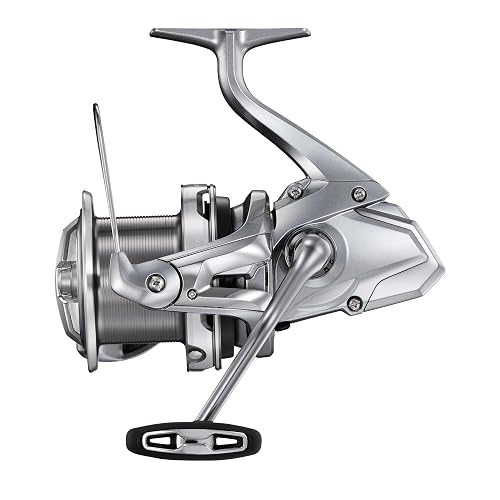
SHIMANO CURADO DC 150A Low Profile Reels (CUDC150HGA) Fishing
Product Overview
The Shimano Curado DC 150A is a low profile baitcasting reel in the Curado family, which Shimano positions as its workhorse line for freshwater and inshore anglers. The “DC” designation refers to Shimano’s Digital Control braking system, which uses a microprocessor to adjust spool braking as the spool speeds up during a cast. That is the main differentiator from a standard centrifugal brake, and it is the feature that drives most of the buying decisions around this model.
The “150” in the name points to the model’s gear size and body configuration within the Curado DC range, and the “A” suffix indicates the specific right-hand, low profile variant sold under the CUDC150HGA part designation. Low profile baitcasters sit their spool closer to the rod and tend to feel comfortable in the hand, which is why they remain popular with anglers who fish with one hand on the rod for long stretches. The reel is intended for a range of lure weights and line sizes, making it a general-purpose choice rather than a single-species specialist.
Anglers who have been using spinning gear and are thinking about moving to baitcasting often look at the DC models first because the braking system reduces the learning curve. For a broader look at how these reel styles differ, the guide Types of Fishing Reels: Spinning, Baitcasting, Spincast and Conventional covers the main categories in plain terms.
Key Features & Specifications
The table below lists the characteristics that are either named in the product listing or are well established for this model family. Where a detail is not something I can state with confidence, I have left it out rather than estimate it.
| Feature | What It Means for You |
|---|---|
| Reel type | Low profile baitcasting reel |
| Braking system | Shimano Digital Control (DC) electronic braking, which adjusts spool resistance during the cast |
| Model designation | CUDC150HGA (150A low profile variant) |
| Hand orientation | Right-hand retrieve, the configuration named in the listing |
| Intended use | Freshwater species such as bass, plus general-purpose inshore and light saltwater use |
| Spool design | Low profile spool positioned close to the rod for a comfortable, compact feel |
| Brake control | Electronic braking with adjustable settings to match lure weight and casting style |
Manufacturers specify that the DC braking system is designed to reduce backlash by managing spool speed through the cast. Specific gear ratio, bearing count, line capacity and weight figures vary across listings and manufacturer data sheets, so check the full specification sheet on the product page before purchasing if any of those numbers matter for your setup.
Pros & Cons
Pros
- Digital Control braking reduces the chance of backlash for newer baitcasting users compared with fully manual setups.
- Low profile body sits comfortably in the palm and suits long sessions of casting and retrieving.
- Brake adjustments let you tune the reel for lighter lures or heavier baits without swapping parts.
- Shimano’s Curado name has a long track record in the freshwater and inshore market, which makes replacement parts and service easier to find.
- Versatile enough for bass, panfish and light coastal species, so one reel can cover several trips.
Cons
- The electronic braking system depends on battery power, so you need to keep spare batteries on hand for long trips.
- Owners who prefer a fully mechanical feel sometimes find the DC system less responsive than a traditional setup once they are experienced.
- As a right-hand model, it is not an option for anglers who need a left-hand retrieve.
- Electronic components add complexity, so repairs may require a Shimano service center rather than a quick DIY fix.
- Heavier and more expensive than basic baitcasters, which some budget-focused anglers will want to weigh against their needs.
Performance Analysis
Performance for a baitcasting reel comes down to three things: how well it controls the spool during the cast, how smoothly it retrieves, and how well it holds up over time. Each of these deserves a look based on the design and the patterns owners commonly describe.
Casting Control and Backlash Prevention
The central promise of the DC braking system is controlled casting. Owners of DC-equipped Shimano reels frequently report that the electronic brake makes the early learning stage far less frustrating than a reel with only a mechanical centrifugal brake. The system works by increasing braking force as the spool accelerates, which tends to reduce the overrun that causes backlash. That said, no electronic brake eliminates the need for technique. Casting with a thumb on the spool, using lures that match the reel’s rated weight range, and setting brake strength conservatively at first all help. Anglers who start with a moderate brake setting and increase it gradually usually get the best results.
Retrieve Feel and Comfort
The low profile design keeps the spool close to the rod blank, which many anglers find more comfortable during extended retrieves. A compact body also tends to balance better with a light to medium rod. Owners who fish for bass with crankbaits and spinnerbaits often mention that the reel is easy to hold through long sessions, though individual comfort depends on hand size and grip style.
Durability and Maintenance
Shimano reels in the Curado line are generally built with corrosion-resistant components and sealed bearings suited to freshwater use. Owners who fish saltwater should still rinse the reel after every trip and check the braking components regularly, since salt exposure can shorten the life of any reel. The electronic braking module needs to stay dry and clean, and keeping the battery compartment free of moisture is a simple habit that protects the system. Routine maintenance, such as periodic cleaning and light lubrication of the gears and spool bearings, will help the reel keep its performance over several seasons.
Where It Falls Short
The most common criticism tied to this design is the reliance on battery power and electronics. Anglers who value simplicity and do not want to think about batteries may prefer a mechanical reel. Some owners also note that the DC system takes a short period of adjustment before the brake settings feel natural, so expect a few practice casts in an open area before taking the reel to a crowded bank.
Who Should Buy This Product?
This reel is a strong fit for several types of anglers. Beginners who want to move from spinning gear to baitcasting will benefit from the braking system while they build casting skill. Freshwater anglers who fish bass, panfish or similar species with a mix of lures will find the reel versatile. Anglers who want a low profile body for comfort during long days on the water will also appreciate the design.
You should probably skip this model if you are a seasoned baitcaster who prefers full manual control, if you do not want to deal with batteries, or if you need a left-hand retrieve. Anglers who fish mainly with light spinning gear for trout may also find a dedicated spinning reel a better match for their style.
If you are still deciding whether a baitcaster is right for you at all, the walkthrough What Is a Conventional Fishing Reel? A Beginner's Guide (2026) explains how conventional-style reels differ from the spinning and spincast options you may already know.
Buying Guide
Before buying any baitcasting reel, match it to the fishing you actually do. Think about the species, the lure weights you use most, and the rod you plan to pair it with. Reels with a higher gear ratio retrieve line faster, which suits topwater and crankbait work, while lower ratios give more cranking power for heavier lures and deeper structure. Check that the reel’s rated lure weight and line capacity fit your planned setup, and do not overload a light-duty reel with heavy line or large baits.
Pay attention to braking type. Electronic systems like Digital Control reduce backlash for beginners but add battery dependence. Mechanical centrifugal brakes are simpler and do not need power, but they take longer to master. Magnetic brakes sit in between, offering adjustable control without electronics. Decide which trade-off suits your learning curve and how often you fish.
Consider body size and hand orientation. Low profile reels like this one suit anglers with medium to larger hands and those who want a compact feel. Confirm the handle side before buying, because right-hand and left-hand versions are not interchangeable.
Several well-known alternatives appear frequently in the same shopping conversation, and each has a different focus:
- SHIMANO SLX DC uses the same DC braking concept in a model positioned within the SLX line, which Shimano aims at anglers wanting a higher-tier build. Owners often compare it directly with the Curado DC when deciding between the two.

SHIMANO SLX DC
- SHIMANO CURADO 150M is a traditional Curado option with a mechanical braking approach. It suits anglers who already have baitcasting experience and prefer a manual feel with no electronics.

SHIMANO CURADO 150M
For a wider comparison of Shimano reel options, see 6 Best Shimano Fishing Reels for Every Angler (2026). If you want to pair a reel with the right rod, Shimano Spinning Fishing Reel Review: Vanford A Features and Pros offers a useful look at how Shimano approaches its lighter-duty lines.
FAQ
Is the Shimano Curado DC good for beginners?
Owners who are new to baitcasting often describe the Digital Control braking system as a helpful aid during early practice. The electronic brake adjusts spool resistance during the cast, which can reduce backlash. Beginners should still practice in an open area, start with moderate brake settings, and use lures within the reel’s rated weight range.
What does DC stand for on a Shimano reel?
DC stands for Digital Control. It refers to Shimano’s electronic braking system, which uses a microprocessor to manage spool braking during casting. The system is designed to help control spool speed and reduce overruns.
Does the Curado DC need batteries?
Yes. The digital braking system runs on battery power, so you should keep spare batteries on hand and check the battery compartment for moisture before each trip. Manufacturers typically recommend removing batteries during storage to prevent corrosion.
Is the CUDC150HGA a right-hand or left-hand reel?
The listing identifies this model as a right-hand retrieve configuration. Anglers who need a left-hand reel should look for a separate left-hand model rather than attempting to convert this one.
Can I use this reel in saltwater?
The Curado line is generally positioned for freshwater and inshore use. Saltwater use is possible, but owners should rinse the reel with fresh water after every trip and inspect the braking components regularly to limit corrosion.
How do I prevent backlash with a DC baitcasting reel?
Start with a higher brake setting and lower it gradually as you gain confidence. Use your thumb to control the spool during the cast, choose lures that match the reel’s rated weight range, and practice casting into an open area before fishing near cover.
Should I choose the DC model or a mechanical Curado?
If you are new to baitcasting or want fewer casting mistakes while you learn, the DC model is the more forgiving choice. If you already cast confidently and prefer a fully manual system with no batteries, a mechanical Curado may suit you better.
Final Verdict
Shimano Curado DC: A Reasonable Pick for Learning Baitcasters
The Shimano Curado DC 150A is a sensible choice for anglers who want the control of a baitcaster with electronic braking to help during the learning stage. Its low profile body, adjustable braking and freshwater-friendly design make it a practical option for bass and similar species. Its main trade-offs are battery dependence and a right-hand-only configuration. Anglers who are comfortable with those limits, or who want to move up from spinning gear, will likely find it a useful addition to their tackle collection. Before buying, compare the full specification sheet and consider the alternatives above to make sure the model matches your fishing style.
Related reading
- Shimano Talica Fishing Reel: Setup, Spool Tips and Buying Guide
- Shimano TLD 2-Speed Conventional Reel for Tuna Fishing: Setup and Tips
- Shimano SLX Fishing Reel: Setup, Features and Buying Tips
- Shimano Fishing Reel for Sale: How to Pick the Right Model (2026)
About Claire Whitaker
Claire Whitaker is part of our editorial team and reviews and edits our freshwater fishing tackle on a budget guides, checking product details against manufacturer specifications and owner feedback.