As an Amazon Associate I earn from qualifying purchases. This page may contain affiliate links.
Whopper plopper bass lures work because they imitate a struggling baitfish, frog or injured insect hitting the surface, and the loud, disruptive splash triggers bass to strike from a distance. The big, cupped face throws water and creates a sound bass can locate in low light, murky water or heavy cover.
Why Whopper Plopper Bass Lures Trigger Strikes
Bass are ambush feeders. They rely on the lateral line and their eyes to detect movement, and a topwater lure that slaps the surface sends vibration and noise through the water column. A whopper plopper, which is a type of popper-style topwater with a deeply concave head, produces a sharp, percussive “plop” each time it is pulled and then dropped. That sound carries farther than a quiet walking bait, so it can pull fish out from cover they would not leave for a subtle presentation.
The silhouette matters too. The fat, rounded body suggests a large, stunned meal, and bass often respond to that kind of easy target. Many anglers find these lures most productive during low-light periods, such as early morning, evening and overcast days, when bass feed more aggressively near the surface.
Factors That Affect How Well They Work
Several conditions determine whether a whopper plopper will outperform other topwater options. Water clarity is the biggest factor. In stained or muddy water, the sound and vibration matter more than appearance, so the loud, splashy action is often the best choice. In clear, calm water, bass may be more wary of a big splash, and a smaller popper or a walking bait may draw more strikes.
- Water temperature: Surface action tends to peak when water is warm, usually in the upper 50s to 80s Fahrenheit for largemouth bass, though this varies by lake and region.
- Cover: Lily pads, laydowns, docks and grass edges give bass ambush points. Placing the lure right beside cover, rather than in open water, often produces the bite.
- Wind and chop: A light ripple helps hide the line and makes the splash look more natural. Flat, glassy water can make bass more cautious.
- Bass activity: Surface strikes are most common when fish are actively feeding. If bass are holding deep during bright midday sun, switching to a slower presentation usually makes more sense.
What to Do When the Bite Is Slow
When a whopper plopper is not getting hits, the fix is usually a change in cadence or location rather than a change of lure. Many anglers experiment with a few distinct retrieves until they find the bass’s preference that day. Pausing longer between pops, shortening the rod-tip movement, or working the lure more slowly can turn a dead spot into a productive one. Fishing the edge of cover instead of the middle of an open area also tends to help.
Line and rod choices affect the presentation. A braided line with a fluorocarbon leader, or a fluorocarbon-only setup in clear water, helps you keep the lure working on the surface. A medium-heavy to heavy rod with a fast tip gives you enough backbone to pull fish out of heavy cover while still allowing a crisp pop.
Practical Steps for Fishing Whopper Plopper Bass Lures
- Start by casting beyond likely cover, then bring the lure back along the edge of lily pads, timber or grass.
- Use a sharp rod-tip snap to create the splash, then let the lure sit for two to five seconds before the next pop.
- Vary the pause length until you find the timing bass prefer that day, and keep track of which retrieve produces strikes.
- Set the hook when you see the splash disturb or the lure disappear. Topwater strikes can be explosive, so resist the urge to set too early.
- If the water is clear and bass are ignoring the lure, switch to a smaller popper or a walking style bait and try again.
- Keep your lure clean and your hooks sharp. Fouled treble hooks and damaged lure faces reduce both action and hookup rates.
What We’d Use
For a budget-minded angler, a standard whopper plopper-style popper in a natural shad or frog pattern is the most versatile starting point, and it covers most of the conditions described above. Look for a model with a deep, concave face for maximum splash and a sturdy hook set. You can browse options here: View on Amazon.
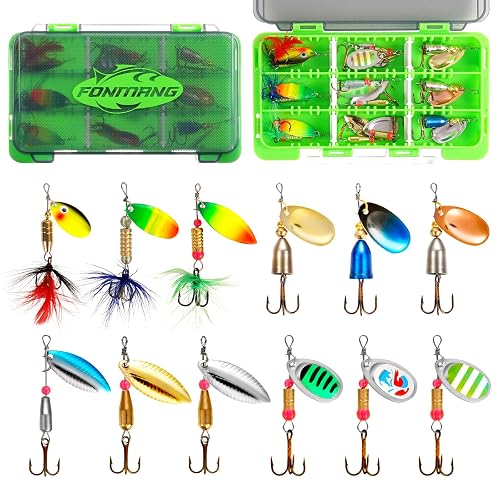
A second option is a smaller popper-style topwater for clearer water and fish that seem spooked by big splashes. Pairing it with a quality rod and a braided line helps you get the most out of both presentations. You may also find a dedicated topwater tackle kit useful: View on Amazon.
A third item worth considering is a small tackle organizer to keep your lure selection clean and accessible, which makes switching baits quick on the water: View on Amazon.
For more background on choosing surface baits, see Best Topwater Lures and How to Select the Right Topwater Lure for Conditions. If you are building a setup from scratch, Beginner Bass Fishing Gear covers the basics, and How to Match Your Rod, Reel, Line and Lures explains how the pieces work together.
Related Questions
Do whopper plopper bass lures work in clear water?
They can, but they are often less effective than in stained water. In clear conditions, a smaller popper or a walking bait may produce more strikes because bass can be wary of large splashes.
What time of day is best for topwater bass fishing?
Early morning, late evening and overcast days are typically best, since bass feed more actively near the surface in lower light.
What rod works best for popper-style topwater lures?
A medium-heavy to heavy rod with a fast tip is a common choice, since it provides enough power to move fish out of cover and a crisp action for the pop.
Should I use braided or fluorocarbon line with topwater lures?
Many anglers use braided line for strength and a fluorocarbon leader for stealth. Fluorocarbon alone can work well in clear water where line visibility is a concern.
How do I keep topwater lures from fouling in cover?
Fish the edges of cover rather than deep inside it when possible, and use a sturdy rod to lift fish quickly. Keeping treble hooks sharp and clean also reduces snags.