As an Amazon Associate I earn from qualifying purchases. This page may contain affiliate links.
Bass fishing lures for early spring need to do a few specific jobs: get noticed in cold, often murky water, stay in the strike zone at slow speeds, and trigger bites from fish that are still conserving energy. This guide walks you through how water temperature shapes bass behavior, which lure families handle early-season conditions best, how to fish each one, and how to set up a lean, effective box without overspending. By the end, you will know which three to five lure types to carry and how to change your retrieve as the water warms.
Why Early Spring Bass Behave Differently
Bass move shallow in spring to spawn, but the timing depends on water temperature. Pre-spawn fish stage on the transition zones between deep winter haunts and shallow flats, often near points, creek channels and submerged structure close to spawning areas. Water in the 40s Fahrenheit slows their metabolism, so they strike less often and prefer lures they can take without a long chase. Once water climbs into the mid-50s to low 60s, feeding picks up noticeably and fish become more aggressive.
Clarity matters too. Spring runoff and wind can stain reservoirs and rivers, so bass rely more on vibration, flash and sound than on sight alone. A lure that works in clear summer water may get ignored when visibility drops to a foot or less.
Step-by-Step: Choosing Your Early Spring Lure Lineup
Step 1: Check Water Temperature and Clarity
Before tying on anything, check the surface temperature with a basic thermometer or a reliable local report. Note how far you can see into the water. Those two numbers narrow your options quickly.
Step 2: Match the Lure to the Conditions
Use the table below as a starting point, then adjust based on what you see on the water.
| Water Temp (F) | Clarity | Best Lure Types | Retrieve Style |
|---|---|---|---|
| 40s | Clear to stained | Jigs, Texas-rigged soft plastics, suspending jerkbaits | Slow drag, pause, hop |
| 40s to low 50s | Stained | Spinnerbaits (willow or Colorado blades), lipless crankbaits | Slow roll, occasional bump off cover |
| Low 50s to mid 50s | Clear | Suspending jerkbaits, small swimbaits, drop-shot worms | Pause-heavy, subtle twitches |
| Mid 50s to low 60s | Stained | Chatterbaits, squarebill crankbaits, spinnerbaits | Steady retrieve, faster near cover |
| 60s | Any | Crankbaits, topwater (on calm days), spinnerbaits | Reaction speed, vary cadence |
Step 3: Build a Lean Starter Box
You do not need thirty lures. A focused set of five covers most early spring situations:
- One jig in a natural color with a matching craw or pork trailer
- One Texas-rigged soft plastic, such as a 4-inch creature bait or paddle tail
- One spinnerbait with a willow blade for stained water and a Colorado blade for murky water
- One lipless crankbait in a shad or chartreuse pattern
- One suspending jerkbait in a natural shad color
If you are new to the sport, the Beginner Bass Fishing Gear guide covers the rods and reels that pair well with these lures.
Step 4: Fish Each Lure Correctly
Jigs
Jigs are a staple for pre-spawn fish. Use a 3/8-ounce or 1/2-ounce jig in cold water, dragging it along the bottom with short hops of six to twelve inches. Let the jig fall on a semi-slack line so you feel strikes on the descent. Pair it with a trailer that has some action. For a deeper look at rigging and technique, see Jig Fishing Rigs and Techniques for Bass.
Texas-Rigged Soft Plastics
A Texas rig with a bullet weight lets the bait slip through cover with minimal resistance. In early spring, use the lightest weight that still gets you to bottom, often 1/4 to 3/8 ounce. Work it slowly and expect bites on the fall. The Texas Rig Setup with Bullet Weights for Bass Fishing article walks through the setup in detail, and Soft Plastic Fishing Lures Explained covers how different body styles move.
Spinnerbaits
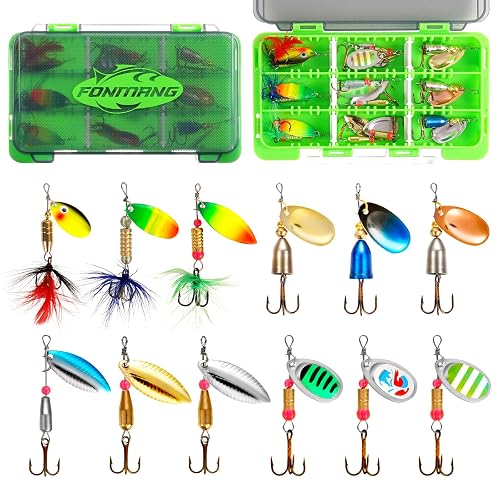
Spinnerbaits excel when fish are active but not fully committed. Use a willow blade for a slower, flutter-heavy profile and a Colorado blade for more thump in stained water. Retrieve them just fast enough to keep the blade turning near the surface or along cover edges. Bump the lure off wood or rock to trigger reaction strikes. More on blade choice and retrieve patterns appears in Spinnerbait Fishing Techniques for Bass and Pike.
Lipless Crankbaits
Lipless crankbaits cover water quickly and draw strikes from roaming fish. Try a steady retrieve with an occasional pause when the lure ticks cover. Shad and chartreuse patterns handle most stained-water situations.
Suspending Jerkbaits
In cold, clear water, a suspending jerkbait is hard to beat. Use a long pause after each twitch, sometimes ten seconds or more. Many strikes come on the pause, so keep your line tight and watch for subtle movement. For depth control, a Using a Crankbait Depth Chart for Consistent Fishing can help you target the right zone.
Recommended Gear
A few supporting items make early spring fishing more productive. Keep your lures organized and accessible so you can switch quickly when fish change mood.
- Utility tackle boxes with adjustable dividers let you sort jigs, plastics and hard baits so you can grab the right one fast. See Using Utility Boxes for Fishing Lure and Tackle Storage for layout ideas. View on Amazon
- Snap or clip connectors speed up lure changes in cold weather, when fingers are slower and line handling is harder. View on Amazon
- Quality pliers help with hook removal and line cutting, especially with thicker spring lines. View on Amazon
Common Mistakes to Avoid
- Fishing too fast. Cold fish want lures moving slowly. If you do not get bites, slow down further before changing lures.
- Ignoring the fall. Many pre-spawn bites happen as the lure sinks. Keep a slack-free line and watch closely.
- Using heavy line in clear water. Thick line creates visibility problems. Managing Fishing Line Visibility for Different Water Conditions covers when to downsize.
- Overpacking your box. Five well-chosen lures with varied colors beat a crowded box you never fully use.
- Forgetting maintenance. Grit and grime dull hooks and dull colors. Rinse lures after trips and check hook points regularly.
Tips for Success
- Target transition areas where shallow flats meet deeper water.
- Fish the warmest part of the day, often late morning to mid-afternoon.
- Pay attention to wind. A wind-blown bank holds baitfish and bass.
- Keep a log of water temperature and what worked. Patterns repeat from year to year.
FAQ
What are the best bass fishing lures for early spring?
Jigs, Texas-rigged soft plastics, spinnerbaits, lipless crankbaits and suspending jerkbaits cover most early spring conditions. Match your choice to water temperature and clarity.
What water temperature do bass start feeding in spring?
Bass feed sporadically in the 40s and become more active as water climbs into the 50s. Feeding often peaks when temperatures reach the mid-50s to low 60s.
Should I use bright or natural colors in early spring?
Natural colors work well in clear water, while chartreuse, white and bright patterns help in stained or murky water where fish need more contrast.
How slow should I fish early spring jigs?
Use slow drags and short hops, pausing frequently. Cold fish often strike on the fall, so keep the line tight enough to feel bites as the jig sinks.
Do I need a lot of lures to start?
No. A jig, a Texas-rigged plastic, a spinnerbait, a lipless crankbait and a suspending jerkbait cover most early spring situations.
When does topwater become useful in spring?
Topwater works best once water warms into the 60s and on calm, overcast days. It is less productive in cold, windy conditions.
How do I know if fish are pre-spawn or post-spawn?
Pre-spawn fish stage on deeper flats and transition zones and feed heavily. Post-spawn fish are recovering, often holding near cover and striking less frequently. Water temperature and visible nest activity help you tell them apart.
Conclusion
Early spring bass respond best to slow presentations matched to water temperature and clarity. Build a focused box of jigs, Texas-rigged plastics, spinnerbaits, crankbaits and jerkbaits, and adjust your retrieve as conditions change. Stay patient in cold water and keep experimenting as the season warms.