By Paige Kingsley
As an Amazon Associate I earn from qualifying purchases. This page may contain affiliate links.
The most effective black sea bass lures are small-to-medium jigs, bucktail jigs with squid or Gulp-style strips, and soft plastic grubs in natural colors, typically rigged between 1/2 and 1 ounce. Black sea bass live around reefs, wrecks and rocky bottom, so lures that reach the bottom quickly and stay in the strike zone outperform the rest. Match weight to depth and current, and you’ll catch far more fish.
Why Lure Choice Matters for Black Sea Bass
Black sea bass are structure-oriented fish. They hold tight to wrecks, reef edges, rock piles and artificial reefs, and they feed on crustaceans, small baitfish and squid. A lure that stays near the bottom, presents a realistic profile and moves in a way that triggers a bite will outfish a lure that rides high in the water column or moves too fast. Because black sea bass have relatively small mouths, lure size matters as much as color.
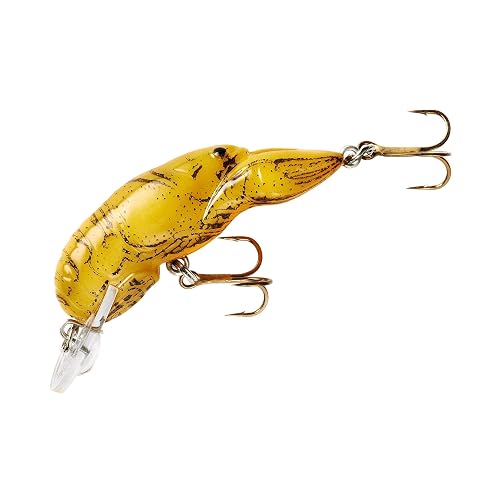
Anglers who fish from party boats or small craft often find that a lure that looks like a shrimp or small squid gets more attention than a large paddle-tail or a flashy spoon. The fish are not especially picky, but they are opportunistic, and they tend to strike what is easiest to eat near the bottom.
Factors That Decide Which Lure Works
Depth and Current
Weight is the first variable to adjust. In shallow water under about 60 feet with little current, a 1/2-ounce jig is often enough to stay near the bottom. In deeper water or stronger tide, 3/4 to 1 ounce keeps the lure in contact with the bottom and reduces the drift that pulls it away from structure. If you are constantly lifting off the bottom or losing contact, go heavier.
Lure Profile and Size
Most black sea bass strikes come on lures between 2 and 4 inches. Bucktail jigs with a 3/0 to 4/0 hook dressed with white, chartreuse or pink hair are reliable. Soft plastic grubs in the 2- to 3-inch range work well when rigged on a light jig head, especially in clear water. Strips of squid or Gulp-type material add scent and a bit of action, and many anglers use them for the bite that follows a missed strike.
Color and Visibility
Natural colors such as white, pearl, chartreuse and motor oil perform consistently. In murky water, brighter colors and darker silhouettes are easier for fish to find. In clear water on bright days, subtle shades tend to outperform bold ones. Carry a small range of colors rather than a large assortment you will never fish.
Presentation and Retrieve
Black sea bass respond to a lure that is kept in contact with the bottom. A common approach is to drop to the bottom, lift the rod tip 1 to 2 feet, let the lure fall back on a semi-slack line, and repeat. Keep your line tight enough to feel the bite, since sea bass often mouth a lure lightly before committing.
What to Do About It
Start by checking the bottom structure on a fish finder or chart, then build a short list of lures that cover different sizes and weights. Rig them so you can switch quickly, and rinse them after each trip to keep hooks and hair in good shape. If the bite slows, change color or weight before changing spots, because a small adjustment often reconnects you with the fish.
Practical Steps
- Choose a weight range based on depth: 1/2 ounce under 60 feet, 3/4 to 1 ounce deeper or in current.
- Carry three to four colors, including one natural white or pearl, one chartreuse and one pink or red.
- Keep lures between 2 and 4 inches and match hook size to the bait.
- Fish the bottom, lifting and letting the lure fall back in short, controlled movements.
- Add squid strips or scented plastics when the bite gets tentative.
- Replace dull hooks and damaged hair or plastic after every few trips.
What We’d Use
A basic bucktail jig in white or chartreuse is the most versatile black sea bass lure and a strong starting point for most setups. View on Amazon
Soft plastic grubs in the 2- to 3-inch range rigged on light jig heads give you a natural profile for clear water and pair well with squid strips. View on Amazon
Related Questions
What size hook should I use for black sea bass lures?
A 3/0 to 4/0 hook suits most jigs and grubs used for black sea bass. Smaller hooks risk pulling free from the bony mouth, while larger hooks can reduce bites on smaller fish.
Do black sea bass prefer bright or natural colors?
Natural colors such as white and pearl work well most of the time. Chartreuse and pink add visibility in murky water or on overcast days.
How deep should I fish for black sea bass?
Black sea bass are commonly found on structure from shallow inshore reefs to depths well beyond 100 feet. Adjust your jig weight so you stay in contact with the bottom at the depth you are fishing.
Can I use the same lures for other bottom fish?
Many of the same bucktail jigs and soft plastics catch other reef-dwelling species. For more on rigging options, see How to Rig Your Tackle for Different Fishing Lures and Jig Fishing Rigs and Techniques for Bass.
How do I keep my lures in good condition?
Rinse lures in fresh water after saltwater trips and inspect hooks and hair or plastic regularly. For storage ideas, see Using Utility Boxes for Fishing Lure and Tackle Storage and How to Clean Fishing Lures for Better Performance.

About Paige Kingsley
Paige researches and writes buying guides and how-to articles on freshwater fishing tackle on a budget. Picks are based on product specifications, brand reputation and patterns in owner feedback, and are updated as new models come out.