As an Amazon Associate I earn from qualifying purchases. This page may contain affiliate links.
Lures for bass in fall work best when you match the bait to falling water temperatures, shallower feeding zones and bass that are chasing shad before winter. This guide walks you through how the season changes bass behavior, which lure types cover the most water, how to pick colors and sizes, and how to build a small fall box without overspending. By the end, you will know exactly what to throw and where to throw it.
Why Fall Changes What Bass Want
As surface water cools through the 70s and into the 60s Fahrenheit, largemouth and smallmouth bass shift their metabolism and feeding patterns. They move from deep summer haunts toward creek arms, points, rocky banks and grass edges that hold baitfish. Shad and other forage schools become more active and easier to locate, and bass often feed aggressively in short windows, especially in the morning and late afternoon. Many anglers find that the fish are willing to chase faster-moving baits than they ignored in July, but they still prefer a profile that looks like a wounded or fleeing forage fish.
Water clarity and wind also matter. Stained water and windy shorelines concentrate baitfish, so covering banks efficiently is often more productive than slow-fishing single spots.
Seven Fall Lure Types That Cover the Most Water
You do not need a large tackle collection to fish fall well. Most successful fall patterns rely on a handful of lure families that let you search quickly and then slow down when fish show interest.
1. Lipless Crankbaits
Lipless crankbaits are among the most effective search baits in cooling water. A squarebill or traditional lipless bait with a rattle lets you cover flats and points fast. Shad-colored finishes in chrome, silver and white work well in clear water, while darker backs and chartreuse accents help in stained water. Retrieve with a steady pace and vary the depth by adjusting how quickly you reel.
2. Squarebill Crankbaits
Squarebills deflect off rock, stumps and wood, which triggers reaction strikes from bass tucked against cover. They are especially useful on rocky banks where bass hold in the first few feet of water as the sun warms the shoreline. Bump the bait along cover and pause briefly when it ticks something.
3. Spinnerbaits
Spinnerbaits remain a fall staple for reaction bites. Willow-blade and Colorado-blade combinations give you different flash and vibration levels. Slow-roll the bait along the bottom of creek channels or bump it through shallow grass. Spinnerbaits are a strong choice when bass are chasing shad near the surface on windy days.
4. Jerkbaits
Suspending jerkbaits excel when bass are holding at specific depths along steep banks or over submerged structure. Use a pause-and-jerk cadence, letting the bait hang motionless for several seconds. Many anglers report that longer pauses produce bites on cool mornings when fish are lethargic.
5. Soft Plastic Swimbaits
Paddle-tail swimbaits on a jig head or weighted hook mimic shad naturally. Keep them at a steady retrieve just above the bottom. Fall is a good time to rig them weedless in shallow cover or with a slightly heavier head for deeper points.
6. Jigs
Jigs pair well with craw and crayfish imitations as bass feed heavily before winter. Hop them along rocky or wood cover and let them fall on slack line, since many strikes come on the drop. A jig with a compact trailer suits cold, slower bites.
7. Topwater Lures
Topwaters remain productive on warm, calm fall afternoons when shad are busy at the surface. Walking baits and poppers work best early and late in the day. If you need guidance on selection, see How to Select the Right Topwater Lure for Conditions for more detail on matching bait action to conditions.
Choosing Colors, Sizes and Action for Fall Conditions
Color and size decisions shape your success more than many anglers expect. The table below gives general starting points. Adjust based on what the fish show you.
| Water Condition | Recommended Color Approach | Suggested Size | Retrieve Style |
|---|---|---|---|
| Clear, cool water | Natural shad, silver, white | 3 to 4 inches | Slow to moderate |
| Stained water | Chartreuse, white, dark back | 4 to 5 inches | Moderate with pauses |
| Muddy water | Bright chartreuse, firetiger | 4 to 6 inches | Fast, vibration-heavy |
| Cold morning | Natural tones, subtle flash | 2.5 to 4 inches | Very slow, long pauses |
Keep a few variations of each color family in the box so you can respond quickly when the bite changes. Bass often hold to one profile for a few casts, then switch to another.
Step-by-Step Fall Bass Approach
- Start on the first 10 to 15 minutes of the morning with a search bait such as a lipless crankbait or spinnerbait to locate active fish.
- Focus on points, creek mouths and rocky banks where baitfish gather as the water cools.
- When you get a bite, slow down and repeat the same lure and retrieve through the spot.
- If bites stop, switch to a slower presentation such as a jerkbait pause cadence or a shaky-head soft plastic.
- Note depth, cover and time of day. Fall patterns can shift within a few days as temperatures move.
Recommended Gear
A few supporting items help you change lures quickly and keep your fall box organized. Many of these are widely sold and easy to find.
- Quick-change snaps: Snaps let you swap crankbaits and spinnerbaits without retying, which matters when you are covering water fast in cool air. See A Guide to Fishing Snaps and Clips for Quick Lure Changes for setup tips. View on Amazon
- Compartment tackle box: A box with adjustable dividers keeps squarebills, jerkbaits and spare jig heads separated and easy to reach. View on Amazon
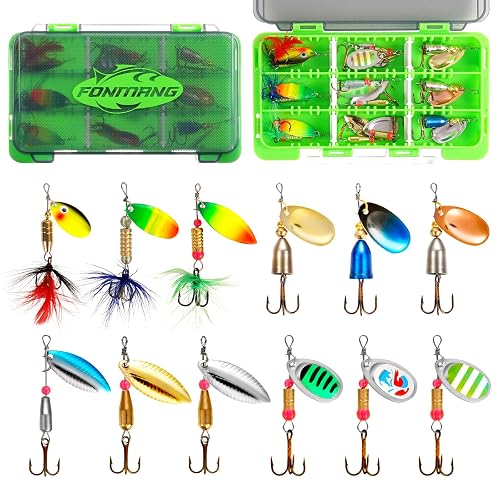
- Spinnerbait assortment: A pack with willow and Colorado blades gives you flash options for different light and wind conditions. View on Amazon
- Soft plastic swimbait kit: Paddle-tail swimbaits in shad colors pair with a few jig heads for a compact cold-weather option. View on Amazon
Common Mistakes
- Fishing too fast. Bass often want slower presentations than summer, even when they chase shad.
- Ignoring small changes in temperature. A few degrees can move fish off a point or into a creek.
- Switching colors too rarely. Try a new color every 10 to 15 casts if you are not getting bites.
- Skipping the drop. Many fall strikes happen on a falling jig or swimbait.
- Overloading the box. Five to eight proven lures usually beat a large, unorganized collection.
Tips for Better Results
Keep a log of water temperature, wind direction and productive depth. Over a few trips, you will see patterns that repeat in your local lakes. Pay attention to baitfish activity on your electronics and follow shad schools. If you want to build a tackle system around these lures, How to Match Your Rod, Reel, Line and Lures explains how to pair line weight and rod action with different bait types. For storage between trips, Using Utility Boxes for Fishing Lure and Tackle Storage offers practical organization ideas.
FAQ
What is the best lure for bass in fall?
There is no single best lure, but lipless crankbaits, spinnerbaits and jerkbaits cover the most situations. Choose based on water clarity and how active the fish are.
What water temperature do bass start feeding heavily in fall?
Bass often feed aggressively as water cools from the 70s into the 60s Fahrenheit. Feeding patterns vary by lake, so track your own conditions.
Should I use bright or natural colors in fall?
Use natural shad tones in clear water and brighter chartreuse or firetiger patterns in stained or muddy water.
How fast should I retrieve a lure in cold water?
Start moderately and slow down as temperatures drop. Long pauses with jerkbaits or slow drags with swimbaits often produce better results.
Where do bass hold in fall?
Look along points, creek mouths, rocky banks and grass edges near baitfish. Bass often move shallower as the water cools.
Do topwater lures still work in fall?
Yes, especially on warm, calm afternoons and during early or late feeding windows when shad are near the surface.
How many lures do I need for fall bass fishing?
A focused set of five to eight lures in a few sizes and colors is usually enough to cover most conditions.
Conclusion
Fall bass fishing rewards anglers who match their lures to cooling water and shifting baitfish. Start with search baits like crankbaits and spinnerbaits, then slow down with jerkbaits, swimbaits or jigs once you locate fish. Keep a small, organized box with a few colors and sizes, and adjust as conditions change.