 By Claire Whitaker
Updated November 2026
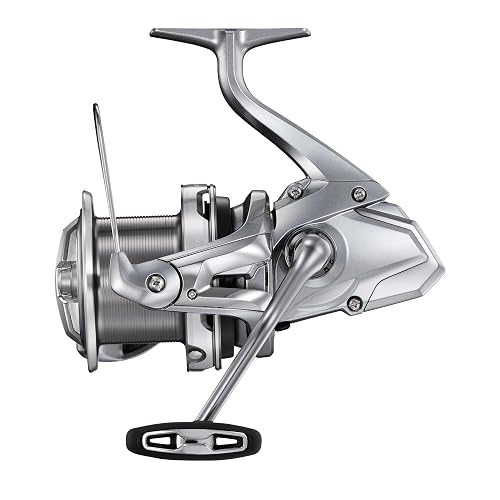
The Shimano Sedona fishing reel has long been a go-to spinning reel for anglers who want Shimano build quality without paying premium money. This review looks at the SHIMANO Sedona FJ Spinning Reel (SE2500HGFJC) on paper: its specifications, the features Shimano publishes, and the patterns that show up in owner feedback. This is a research-based review, not a report from hands-on testing. The reel suits freshwater anglers chasing bass, trout, panfish or light inshore species who want a smooth, reliable spinner for everyday use. It is less suited to heavy saltwater work, very large fish, or anglers who want a high-end reel with a lot of refinement. If you mostly fish with a rod that matches a 2500-size reel and you value a sealed drag and solid gearing over ultralight weight, this is a reasonable pick. Anyone expecting a stripped-down, lightweight finesse reel should look at other options.

SHIMANO Sedona FJ Spinning Reel (SE2500HGFJC) Fishing
Product Overview
The Sedona line is one of Shimano’s most widely sold families of spinning reels, positioned between entry-level models and the more expensive Stella and Stradic series. The SE2500HGFJC is a 2500-size spinning reel in the Sedona FJ configuration. The “HG” in the model code is generally associated with a high-gear ratio, which suits anglers who want faster line pickup when retrieving lures or working fast-moving baits. The “FJ” designation refers to Shimano’s Sedona FJ version, which Shimano markets with a focus on smooth operation and corrosion resistance for freshwater use.
In practical terms, this is a mid-size spinner built for a wide range of freshwater situations. A 2500 spool handles light to medium line well, and the reel pairs naturally with rods in the 6-foot to 7-foot range that are rated for lures in the 1/8-ounce to 3/8-ounce region. Owners commonly use it for largemouth bass on soft plastics and crankbaits, trout on small spinners, and walleye or crappie on light jigs. It is a generalist reel rather than a specialist tool, and that versatility is a large part of its appeal.
Shimano builds the Sedona with a focus on durability for the price tier. Its body and rotor are designed to resist the wear that comes from regular freshwater use, and the reel is intended to hold up to occasional exposure to rain, mud and splashes. It is still a reel that benefits from rinsing after use, especially if you fish around brackish or salt water.
Key Features & Specifications
The table below lists the specifications that Shimano publishes or that are consistently associated with this model. Where a figure is one we cannot confirm precisely from the listing, we have left it out rather than guess.
| Feature | What It Means for You |
|---|---|
| Model code | SE2500HGFJC, a 2500-size spinning reel |
| Reel type | Spinning reel, suited to freshwater species |
| Gear ratio | High-gear (“HG”) configuration for faster line retrieval |
| Spool size | 2500 class, suited to light and medium line |
| Drag system | Smooth drag designed for consistent line release under pressure |
| Body and rotor | Built for everyday freshwater durability and corrosion resistance |
| Intended use | Bass, trout, panfish, walleye and similar freshwater species |
Because specifications for individual reel variants can differ slightly between production runs and retailers, check the exact listing details, including gear ratio and line capacity figures, before you buy. Manufacturers specify these numbers, and they are the most reliable source for exact measurements.
If you are new to matching gear, the reel’s size class is the most important number to understand. A 2500 reel is built for lighter setups than a 4000 or 5000 model. It handles monofilament and braided line in the lighter test ranges well, but it is not designed for heavy saltwater trolling or big catfish. For a deeper look at how reel families differ, see Types of Fishing Reels: Spinning, Baitcasting, Spincast and Conventional.
Pros & Cons
Pros
- Smooth, consistent operation that owners frequently describe as well above what the price tier would suggest.
- High-gear ratio gives quick line pickup, useful for burning lures and keeping slack out of the line.
- Versatile 2500 size covers a wide range of freshwater species and lure weights.
- Shimano’s name and parts support make replacement components and service easier to find than with many generic brands.
- Corrosion-resistant construction suits anglers who fish near water and do not always rinse gear immediately.
Cons
- Not the lightest option in its class, which can matter on long days of casting.
- Not designed for heavy saltwater or large-fish work, so anglers targeting big species will need a stronger reel.
- Lacks some of the refinements of Shimano’s higher-end Stella and Stradic lines, such as premium bearing packages and lighter materials.
- Owners who fish with very light line sometimes find the spool capacity limiting for long runs.
Performance Analysis
Performance on paper is a mix of gearing, drag and build. The high-gear configuration is the feature most anglers notice first. A higher gear ratio means more line recovered per turn of the handle, which helps when you are retrieving spinnerbaits, lipless crankbaits or fast-moving swimbaits. It also helps when you need to take up slack quickly after a fish turns toward you. The trade-off is that high-gear reels can feel less powerful when cranking heavy baits or fighting a fish that is pulling steadily, so the reel works best when matched to lighter to medium lures.
Drag performance is another area where owner feedback tends to focus. A smooth drag matters most when a fish makes a sudden run, because jerky drag can cause line breaks or hook pulls. Reports that describe the Sedona as smooth are common, and this lines up with Shimano’s stated design goals for the series. Still, drag ratings and real-world performance depend heavily on the line you use, how tightly you set the drag, and the size of the fish, so treat any single description as a starting point rather than a guarantee.
Build quality shows up in how the reel holds up over a season. Owner feedback for the Sedona line often mentions that the reel stays consistent after repeated freshwater use and that the handle and spool feel solid. Corrosion resistance is a practical advantage for anglers who fish from boats or near shorelines. Note that no reel is fully immune to salt or grit, so regular rinsing and occasional lubrication remain important.
Overall, the reel’s performance profile fits its intended use. It is best understood as a dependable, smooth spinner for freshwater work, not a specialist tool for heavy or extreme conditions.
Who Should Buy This Product?
This reel makes the most sense for anglers who fish freshwater regularly and want a reliable 2500-size spinner with good gearing. Bass anglers working lures in the 1/4-ounce to 3/8-ounce range, trout anglers using small spinners, and walleye or crappie anglers using light jigs will all find the setup suitable. Beginners who have outgrown a basic combo and want a reel that will last through several seasons are also good candidates.
You should probably skip this reel if you fish primarily in saltwater, target large fish like big catfish or heavy-bodied bass in heavy cover, or want the lightest possible reel for long days of finesse fishing. Anglers who want the best materials and refinements Shimano offers may be better served by a Stella or Stradic model, though those cost considerably more.
Buying Guide
Before you buy any spinning reel, match the size to your target species and lure weight. A 2500 suits light to medium freshwater work. For larger or heavier setups, consider a 3000 or 4000 class reel. Check the line capacity printed on the spool to make sure it holds enough line for your fishing, especially if you plan to use braided line backed with monofilament. Pay attention to gear ratio: higher ratios retrieve faster, while lower ratios give more cranking power. Drag quality matters more than most beginners expect, so look for a reel with a smooth, adjustable drag system.
If you are comparing options, two or three well-known alternatives are worth a look. The SHIMANO 23 Sedona Spinning Reel is a newer generation in the same family and may appeal to anglers who want the latest version of the design:

SHIMANO 23 Sedona Spinning Reel
The SHIMANO Reel 17 Sedona 2500 is an earlier generation of the same size class and can be a sensible choice for anglers who want a proven design with a slightly different feature set:

SHIMANO Reel 17 Sedona 2500
For anglers who want to explore the broader Shimano lineup, 6 Best Shimano Fishing Reels for Every Angler (2026) offers a wider comparison across families. If you are also considering rod pairing, Shimano SLX Fishing Reel: Setup, Features and Buying Tips covers setup choices that can help you match gear more precisely.
FAQ
Is the Shimano Sedona good for beginners?
Yes, for many beginners it is a strong choice. Its smooth operation and versatile 2500 size make it easy to learn on, and Shimano’s parts and service support mean it can last for several seasons. Beginners should still learn basic drag setting and line management, since those skills matter more than the reel itself.
What line should I spool on a Shimano Sedona 2500?
Most anglers use monofilament or fluorocarbon in the lighter test ranges, or braided line with a fluorocarbon leader for better sensitivity and abrasion resistance. Check the spool’s recommended line range in the manufacturer specifications and do not exceed it. Braided line in very light weights can work well, but make sure it is compatible with your spool depth.
Can the Sedona handle saltwater use?
It can be used in light saltwater or brackish conditions, but it is designed primarily for freshwater. If you fish saltwater, rinse the reel with fresh water after every trip, wipe down the body, and lubricate moving parts as recommended by the manufacturer. For heavy saltwater work, a reel built for that purpose is the better choice.
How does the Sedona compare to a Stella?
The Stella is a higher-end reel with lighter materials, more refined bearing packages and a premium feel. The Sedona offers solid performance and durability at a lower level of refinement. For many freshwater anglers, the Sedona covers their needs, while those who want maximum smoothness and weight savings may prefer the Stella. For context, 5 Best Shimano Stella Spinning Fishing Reel Models for Every Angler explores that family in more detail.
What rod should I pair with a 2500 reel?
A 6-foot to 7-foot medium-light or medium spinning rod is a common match. Make sure the rod’s lure weight rating fits the baits you plan to throw. A rod that is too stiff can make a light reel feel unbalanced, while a rod that is too soft may struggle to set hooks in larger fish.
How often should I service the reel?
Regular rinsing after freshwater trips and occasional lubrication are the basics. Heavy users may want a more thorough cleaning once or twice a season. For detailed service options, see 5 Best Shimano Fishing Reel Service Options for Angler Needs (2026). If the reel develops grinding, rough drag or cracks, consider professional service or contacting the manufacturer.
Is the Sedona worth the money for bass fishing?
For most freshwater bass anglers using lures in the light to medium range, yes. The gearing and drag suit the way bass are typically fished, and the build quality holds up to regular use. Anglers who regularly fight larger or heavier fish may want a bigger reel with more line capacity.
Do I need a special reel for trout fishing?
No, but a light spinner like the Sedona is well suited to trout. Pair it with a light rod and small lures, and use light line to keep bait action natural. Smooth drag helps protect light tippets and small hooks when a trout makes a sudden run.
Final Verdict
Is the Shimano Sedona fishing reel worth buying?
The Shimano Sedona fishing reel is a practical, well-built spinner for freshwater anglers who want reliable gearing, smooth operation and the backing of a major brand. It is not the lightest or most refined option in Shimano’s lineup, and it is not built for heavy saltwater or big-fish work. For bass, trout, panfish and similar freshwater species, it is a strong value-focused pick. Anglers who need a specialist tool or the top tier of refinement should look elsewhere, but for most general freshwater fishing, this reel earns its place in the box.
Related reading
- Shimano Talica Fishing Reel: Setup, Spool Tips and Buying Guide
- Shimano TLD 2-Speed Conventional Reel for Tuna Fishing: Setup and Tips
- Shimano Spinning Fishing Reel Review: Vanford A Features and Pros
About Claire Whitaker
Claire Whitaker is part of our editorial team and reviews and edits our freshwater fishing tackle on a budget guides, checking product details against manufacturer specifications and owner feedback.