 By Ethan Brooks
Updated November 2026
Stren Original monofilament fishing line is a widely sold, general-purpose nylon line aimed at anglers who want a dependable spool for everyday freshwater fishing without paying for specialty features. It suits people fishing for bass, panfish, trout and catfish from shore, a dock or a small boat, especially beginners and anglers who spool several reels and want a line that handles routine casting and light-to-moderate drag. It is a poor match for anglers who need near-zero stretch for solid hookups at distance, very low visibility in clear water, or abrasion resistance around heavy cover, where braid or fluorocarbon will serve better.

Stren Original Monofilament Fishing Line
Product Overview
Stren is a long-established fishing line brand, and its Original monofilament is among the most familiar lines on American tackle shop shelves. The product is a single-strand nylon monofilament sold on spools in several pound test ratings and diameters. Because it is designed as an all-round line, it is positioned for a broad range of freshwater species rather than one specific technique.
Monofilament has been the default line for generations of anglers for good reason. It is easy to tie, forgiving of knots that are tied quickly, and has enough stretch to absorb sudden runs from fish. Stren Original sits squarely in that tradition. Owners who fish mainly with spinning and baitcasting outfits often describe it as a line they can spool up, forget about and rely on through a season, which is the core appeal of a general-purpose monofilament.
It is worth being clear about what this product is not. It is not a premium low-stretch line, not a micro-diameter line for finesse presentations, and not a fluorocarbon line designed to disappear underwater. Anglers who buy it expecting those characteristics tend to be disappointed. Judged on its intended role as a versatile, budget-friendly workhorse, it does what it is meant to do.
Key Features & Specifications
The table below lists the characteristics that the product type and brand’s published information support. Check the specific spool on the listing for exact diameter and length, since these can vary by pound test.
| Feature | Details |
|---|---|
| Line type | Monofilament (nylon), single strand |
| Brand | Stren |
| Product line | Original |
| Intended use | General freshwater fishing (bass, panfish, trout, catfish) |
| Pound test | Varies by spool; check listing for the rating you need |
| Diameter | Varies with pound test; heavier tests are thicker |
| Stretch | Higher than braid and fluorocarbon, typical of monofilament |
| Water density | Floats or sinks slowly relative to fluorocarbon; sinks more than braid |
| Spool format | Single spool, sized for spinning or casting reels |
Because monofilament stretch is a defining trait, anglers should read the table’s stretch entry as a practical guide rather than a precise percentage. Stretch is the reason monofilament handles jumping fish and hard headshakes gently, and also the reason it transmits less bite feel than braid.
Pros & Cons
Pros
- Easy to tie and forgiving of quick knots, which helps beginners and anglers changing lures often.
- Stretch absorbs sudden runs and reduces the chance of snapping off on a surge from a bass or catfish.
- Broad pound test range makes it adaptable across different species and cover conditions.
- Widely available, which makes restocking spools simple.
- Good fit for a multi-reel setup where one reliable line type keeps things simple.
Cons
- Stretch reduces sensitivity, so light bites and subtle changes in lure action are harder to feel than with braid.
- Degrades over time with sun exposure, heat and repeated use; owners often recommend replacing it each season.
- Less abrasion resistant than braid when dragged over rock, wood or heavy vegetation.
- Visibility is higher than fluorocarbon in clear water, which can matter for wary fish.
- Memory can build up on the spool, causing coils that affect casting if the line sits for long periods.
Performance Analysis
Performance for a monofilament like this depends heavily on matching pound test to the job. For panfish and small bass in open water, lighter tests give a natural presentation and better casting distance. For catfish, bigger fish and heavy cover, heavier tests are the safer choice, and the stretch of monofilament helps cushion head shakes that would test a stiffer line.
Owner feedback patterns for general monofilament lines of this type tend to cluster around three themes. The first is reliability in routine use: anglers generally report that the line handles normal casting, retrieving and fighting fish without drama. The second is knot performance: monofilament typically ties cleanly and holds well when knots are moistened and seated properly, which is a practical advantage for anglers who retie often. The third is longevity, where many reports suggest the line weakens noticeably after a season of sun exposure and repeated use, particularly if spools are left on reels in a hot vehicle or shed.
Casting performance is respectable for the line class. Monofilament is generally smoother on the spool than braid and produces fewer tangles for average casters, though memory coils can show up if the spool sat unused in cold or hot storage. Anglers fishing lighter setups will notice that thicker diameters at higher test ratings reduce casting distance, which is a general property of monofilament rather than a flaw specific to this product. Consider the diameter guidance in Why Fishing Line Diameter Matters for Casting and Sensitivity before choosing a pound test for a long-distance casting setup.
Sensitivity and hookset are where monofilament shows its limits. The stretch that protects against breakoffs also dampens the signal from a light bite, so fishing soft plastics for finicky bass or drifting bait for trout may require a more deliberate hookset. Anglers who fish heavy cover often switch to braid for that reason, and the comparison in 5 Best Fishing Monofilament Lines: Top Picks for Bass, Trout and Catfish is useful if you are weighing monofilament options against each other. For general use, the trade-off is acceptable; for bite-detection-critical fishing, it is not the ideal tool.
Who Should Buy This Product?
This line is a good fit for:
- Beginners who want a forgiving, easy-to-tie line for spinning or baitcasting reels.
- Anglers fishing bass, panfish, trout and catfish with general-purpose tackle.
- Budget-minded anglers who spool several reels and want one line type to keep on hand.
- Shore and dock anglers who value stretch for absorbing runs from unpredictable fish.
It is less suitable for:
- Anglers targeting finesse bass or trout in clear, heavily pressured water who need low visibility.
- Heavy cover and structure anglers who need maximum abrasion resistance around rocks, stumps and grass.
- Anyone who relies on feeling subtle bites through the line, where braid or a low-stretch line is better.
- Anglers who store spools for long periods without rotating stock and want line that holds its strength indefinitely.
Buying Guide
Before buying any monofilament, decide what you are fishing for and what cover you will fish. A simple rule many anglers use is to choose a pound test that matches the heaviest fish you expect to land with a reasonable safety margin, then consider whether the thicker diameter will limit casting distance for the lures you throw. Owners frequently recommend keeping the spool out of direct sun and replacing line at the start of each season, since age and exposure affect strength more than most anglers expect.
If you want a line with more stretch for larger fish, a fluorocarbon-free monofilament approach remains valid for catfish and bigger bass. If you want less stretch and better sensitivity, consider a braid or fluorocarbon. For anglers comparing general-purpose spools, the following well-known alternatives are often considered:
- KastKingZero Stretch is a braided option that the listing describes with strong knot strength, a smaller diameter and enhanced sensitivity. It suits anglers who want braid-level sensitivity and abrasion resistance.
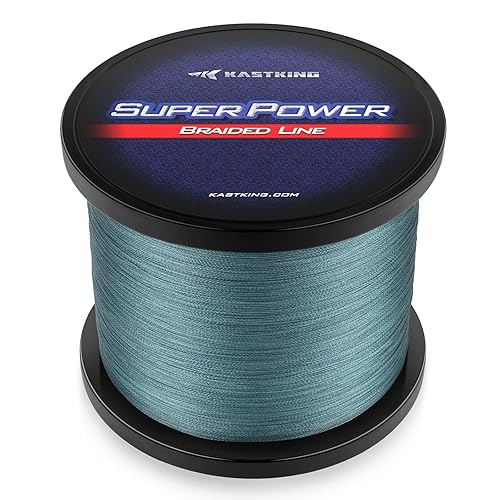
KastKingZero Stretch, Strong Knot Strength, Smaller Diameter, Enhanced Sensitivity, Long Casting, Superior Strength Superpower Braided Fishing Line, Abrasion Resistant Braid Line
- Berkley Trilene Big Game is a monofilament line aimed at heavier fishing, which makes it a direct comparison for anglers who want a traditional nylon with a bigger-fish focus.

Berkley Trilene Big Game Monofilament Fishing Line
For a broader comparison of line types and where each fits, How to Choose Fishing Line for Your Budget and Setup and Fishing Line Strength Guide cover the trade-offs in more detail. If you are unsure about tying technique for any line you buy, How to Choose and Tie a Fishing Leader Line walks through the basics.
FAQ
Is Stren Original monofilament good for beginners?
Yes, for most beginners it is a sensible choice. Monofilament is forgiving to tie and handles the occasional tangle or hard strike better than stiffer lines, which makes it a practical first spool for spinning or baitcasting reels.
What pound test should I choose for bass?
For general bass fishing in open water, many anglers use a lighter test for finesse presentations and a heavier test for cover. Match the test to the cover you fish and the largest fish you expect, and check the listing for the pound test options available.
How long does monofilament line last?
Monofilament can weaken with sun exposure, heat, abrasion and age. Owners commonly recommend replacing line once or twice a season, or sooner if you notice nicks, fraying or a drop in casting performance.
Does monofilament line stretch too much for bass fishing?
Stretch helps absorb runs and reduces breakoffs, but it also dampens bite feel. Many bass anglers accept that trade-off for general fishing and switch to braid or fluorocarbon when they need better sensitivity.
Can I use this line for catfish?
Monofilament is commonly used for catfish because the stretch cushions the powerful head shakes. Choose a heavier pound test and check your rod and reel ratings before fishing for larger cats.
Is monofilament visible to fish?
Monofilament is generally more visible than fluorocarbon in clear water. In stained or murky water, visibility matters less. If fish are shy in clear conditions, a fluorocarbon leader may be worth considering.
How should I store monofilament spools?
Keep spools in a cool, dry, shaded place and avoid leaving them on reels in a hot vehicle. Proper storage helps limit memory and slows degradation. For more guidance, see How to Store Fishing Line to Maintain Strength.
Final Verdict
Stren Original monofilament fishing line is a practical, general-purpose nylon line for anglers who want a forgiving, easy-to-tie spool for bass, panfish, trout and catfish. Its stretch and handling make it a sound choice for beginners and for anglers who spool several reels, while its limits in sensitivity, abrasion resistance and visibility mean it is not the right tool for every situation. Buy it for routine freshwater fishing, replace it each season, and move to braid or fluorocarbon when finesse or heavy cover demands it.
Related reading
- 5 Best Fishing Monofilament Lines: Top Picks for Bass, Trout and Catfish
- 5 Best Fishing Lines for Catfish: Monofilament and Braid Picks (2026)
- Why Fishing Line Diameter Matters for Casting and Sensitivity
- Managing Fishing Line Visibility for Different Water Conditions
- How to Store Fishing Line to Maintain Strength
- How to Choose and Tie a Fishing Leader Line
- How to Choose Fishing Line for Your Budget and Setup
About Ethan Brooks
Ethan Brooks is part of our editorial team and reviews and edits our freshwater fishing tackle on a budget guides, checking product details against manufacturer specifications and owner feedback.