 By Ethan Brooks
Updated November 2026
Different lures for fishing cover a wide range of designs, and each one is built to trigger a specific response from fish. By the end of this guide, you will know the main lure families, how to match them to the species and water you fish, and how to build a small, versatile kit without overspending. Think of this as a working map rather than a catalog.
Why Lure Type Matters More Than Brand
Fish do not respond to a lure because of its logo. They respond to its action, its profile, its color, and how it moves through the water compared to the bait they are already eating. A crankbait that wobbles hard at 4 feet is useful when bass are chasing shad over a flat, but useless when trout are holding in a current seam and want something slow and small. Learning the main lure categories first saves money because you stop buying duplicates that do the same job.
Shopping for one? See our guide: 5 Best Bass Assassin Fishing Lures of 2026: Picks Compared.
The Main Categories of Fishing Lures
Most lures fall into a handful of families. Each family has a typical retrieve, a typical depth, and a typical job. Knowing these lets you read a tackle shop quickly.
Crankbaits
Crankbaits are hard-bodied lures with a diving lip. They dive to a depth set by the lip size and the line diameter, and they produce a wobbling action on a steady retrieve. Shallow-diving models usually run 2 to 6 feet, while deep divers can reach 10 feet or more. They are a strong choice for covering water fast and locating active fish.
Spinnerbaits and Inline Spinners
Spinnerbaits use one or more spinning blades on a wire arm around a jig head. The blades flash and push water, which makes them effective in stained water and around cover. Inline spinners, sometimes called spoons with a blade, are simpler and work well for trout and panfish in streams and lakes. We also found Soft Plastic Fishing Lure Making Kit: A Step-by-Step Guide for Beginners useful on this point.
Soft Plastics
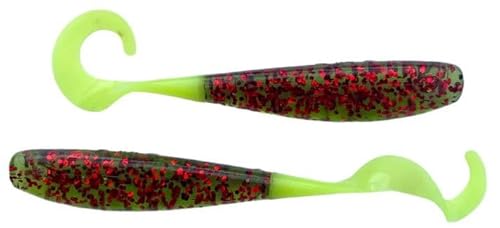
Soft plastic lures include worms, creature baits, swimbaits and grubs. They are usually rigged on a jig head, a Texas rig, a Carolina rig or a wacky hook. Their main advantage is versatility: a single soft plastic can be fished slow on the bottom, hopped, swam or twitched. Owners often report that soft plastics are the most economical way to cover many species because one package lasts a long time.
Topwater Lures
Topwater lures include poppers, walking baits, buzzbaits and frogs. They are fished on or just under the surface and are most productive during low light or when fish are feeding actively near the top. They produce explosive strikes, but they also miss more fish than subsurface lures, so they reward patience and good timing.
Jigs
A jig is a weighted hook, usually with a skirt or trailer. It is a bottom-oriented lure that can be hopped, dragged or swum. Jigs are excellent for largemouth bass, smallmouth bass, walleye and catfish, and they are one of the most productive lures for fishing structure like rock, timber and weed edges.
Spoons
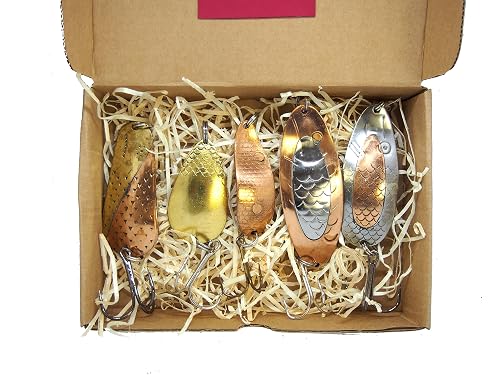
Spoons are metal lures that flutter and flash on a fall or a retrieve. They are a classic choice for trout, salmon, pike and walleye. A spoon can be cast long distances and worked at many depths, which makes it a useful addition to any kit.
Plugs and Jerkbaits
Jerkbaits and minnow-style plugs are suspending or floating lures worked with a sweep-and-pause retrieve. They imitate injured baitfish and are effective for bass, pike and trout, especially in cold water when fish are less willing to chase fast-moving lures.
How to Match Lures to Species and Water
Once you know the families, the next step is matching them to your target fish and the conditions you face. Use the following process each time you plan a trip.
- Identify the target species and its typical feeding zone, such as surface, mid-water or bottom.
- Check water clarity. Clear water generally favors natural colors and subtle actions, while stained or muddy water favors bright colors, louder vibration and larger profiles.
- Note the water temperature. Cold water slows fish down, so slower presentations like jigs, drop-shot style soft plastics and suspending jerkbaits often outperform fast crankbaits.
- Look at the cover and structure. Rock and timber suit jigs and weedless soft plastics, open flats suit crankbaits and spinnerbaits, and current seams suit spoons and small inline spinners.
- Choose two or three lures that fit those conditions and fish them through a full retrieve pattern before switching.
| Target Situation | Lure Types Worth Trying | Why They Fit |
|---|---|---|
| Largemouth bass, shallow weed edges, warm water | Topwater frog, soft plastic creature bait, spinnerbait | Covers surface and cover, triggers aggressive strikes |
| Smallmouth bass, rocky points, clear water | Tube jig, drop-shot style soft plastic, jerkbait | Natural profiles and slow presentations |
| Trout in streams, moderate current | Inline spinner, small spoon, small jerkbait | Flash and flutter imitate insects and minnows |
| Catfish, bottom structure | Jig with scented trailer, heavy spoon | Bottom contact and scent draw feeding fish |
| Walleye, cold water drop-offs | Jig and soft plastic, spoon | Slow bottom presentation at the right depth |
For more on matching gear to water, see How to Choose Fishing Lures for Different Fish and Water. If you want a broader overview of categories before you buy, Different Types of Fishing Lures: A Bargain Angler's Guide to 6 Main Categories goes deeper on each family.
Building a Budget Lure Kit
You do not need a full tackle wall to start. A focused kit of six to ten lures can cover most situations for a single species group. Owners often report that the most useful starter set includes one crankbait, one spinnerbait, two or three soft plastics in natural and bright colors, one jig, one topwater, and one spoon.
Choosing Colors and Sizes
Start with natural colors such as green pumpkin, shad patterns and silver for clear water. Add one or two bright options like chartreuse or white for stained water and low light. Size matters too. Smaller baits often produce more bites on pressured fish, while larger baits tend to attract bigger fish. A reasonable spread might be a 3-inch soft plastic and a 5-inch version for the same pattern.
Rigging Basics
Good lures still underperform on poor rigs. Match hook size to bait size, use sharp hooks, and keep knots simple and tight. Lighter line increases bite detection and action for finesse presentations, while heavier line helps when pulling fish out of cover. How to Rig Your Tackle for Different Fishing Lures walks through the most common setups step by step.
Common Mistakes
- Buying by color catalog alone. A lure that looks great on a card may not match the local forage. Watch what fish are eating and adjust size first, color second.
- Fishing one lure too long. If you get no response after 20 to 30 casts through a productive zone, change depth, speed or profile.
- Ignoring depth. A crankbait running at the wrong depth will miss fish entirely. Count down your lure or check the lip size.
- Using the wrong line. Thick line can kill the action of a small lure, and thin line can break when you need to pull a fish from heavy cover.
- Overbuying. A large collection of similar lures rarely outfishes a smaller set of well-chosen ones.
Tips for Getting More from Your Lures
- Keep a simple log of which lures produced bites, what depth, and what conditions.
- Test new lures in the same spot you know well so you can judge their performance fairly.
- Sharpen hooks regularly and replace worn treble hooks on crankbaits and topwaters.
- Store soft plastics in sealed bags away from heat to prevent them from drying out or sticking together.
- Vary your retrieve speed until you find what fish want that day, then repeat it.
Recommended gear
A few inexpensive accessories make it easier to organize and use your lures well.
- Plano tackle storage trays keep crankbaits and spoons separated so hooks do not tangle or dull each other. View on Amazon
- Berkley Fireline braided fishing line offers low stretch and thin diameter, which helps you feel bites on jigs and soft plastics. View on Amazon
- Hook hone sharpening stones help restore sharp points on worn hooks, which improves hook-up rates on every lure type. View on Amazon
FAQ
What are the most versatile lures for beginners?
Soft plastic worms and creature baits are among the most versatile because they can be rigged many ways and fished at any depth. A spinnerbait and a small crankbait round out a useful starter set.
Should I match the color of my lure to the local bait?
Matching the size and profile of local forage usually matters more than an exact color match. Use natural colors in clear water and brighter colors in stained water or low light.
How do I know what depth to fish?
Check the lip size and diving depth listed by the manufacturer for crankbaits, and count down with weight for soft plastics and spoons. Use a fish finder if you have one to see where fish are holding.
Are topwater lures worth buying?
They are worth having for low-light periods and for fish that are actively feeding near the surface. They tend to miss more strikes than subsurface lures, so use them alongside other options.
How many lures do I need to start fishing?
Six to ten well-chosen lures can cover most situations for one species group. Add more as you learn which patterns work on your local water.
Do lure colors really make a difference?
Color affects visibility, and it matters most in water with unusual clarity or light conditions. Size, profile, action and retrieve speed generally have a larger effect on results.
How do I keep lures from getting damaged in storage?
Store hard lures in compartmentalized boxes to prevent hook damage and paint scratches. Keep soft plastics sealed and cool, and rinse saltwater off lures to slow corrosion.
Conclusion
Different lures for fishing exist for a reason: each family produces a specific action that triggers fish in particular conditions. Learn the main categories, match them to your species and water, and build a small kit that covers your most common situations. A focused set of well-chosen lures will serve you better than a large collection bought at random.
Related reading
- Z Man Fishing Lures: How to Choose and Fish Them for Bass
- X Zone Fishing Lures: How to Choose and Fish Them for Bass (2026)
- X Rap Fishing Lures (2026): Pros, Cons & Verdict
Ready to choose one?
About Ethan Brooks
Ethan Brooks is part of our editorial team and reviews and edits our freshwater fishing tackle on a budget guides, checking product details against manufacturer specifications and owner feedback.