 By Ethan Brooks
Updated November 2026
Bass fishing lures for March need to do one job well: catch fish that are still sluggish from winter but starting to move toward the shallows. This guide shows you which lure profiles earn their place in your box, how to match them to water temperature, and where to throw them so you spend more time catching than guessing.
Read the Water Temperature First
March water is usually somewhere between the high 40s and low 60s Fahrenheit, and that range decides how aggressive your lure should be. Below about 50 degrees, bass are slow and reluctant, so a lure that stays in the strike zone longer tends to get more bites. Once the water climbs past the mid-50s, bass begin chasing a bit more, and faster-moving baits start to make sense.
Shopping for one? See our guide: 5 Best Bass Assassin Fishing Lures of 2026: Picks Compared.
A basic thermometer or a reading from a local fisheries report is enough. Check the surface in the morning and again in the afternoon, since shallow flats can warm several degrees during a sunny day.
Choose Lures by Water Temperature
Cold Water Picks (Under 50 Degrees)
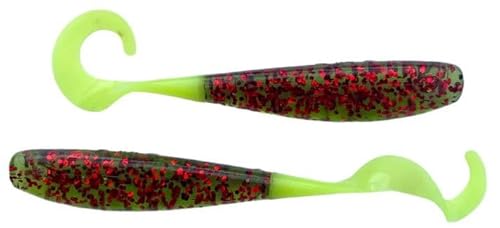
Slow-moving baits keep bass interested when their metabolism is low. Jigs with a compact trailer, soft plastic jerkbaits fished on a pause, and small hair jigs all work well. Use natural colors such as green pumpkin, brown, and watermelon, and keep your retrieve slow enough that the bait barely moves between strikes.
Transition Picks (50 to 60 Degrees)
As the water warms, add lures that cover more water. Lipless crankbaits, squarebill crankbaits, and spinnerbaits let you search for active fish without wasting time on empty cover. A medium retrieve with regular pauses usually outperforms a fast burn at this stage. 5 Best Fishing Lures Soft Plastic Picks for Bass and Saltwater (2026) goes further into this.
Target the Right Spots
In March, bass stage on the shallowest parts of the lake that get the most sun. Look for banks with dark bottoms, which absorb heat, and for spots where creeks or feeder streams warm the water. Wood, rock, and docks adjacent to deeper water are reliable starting points.
- Start on a sunny bank with firm bottom and any cover such as laydowns or rock.
- Make two or three casts with your primary lure, varying the retrieve speed each time.
- If you get no response, move to the next piece of cover rather than repeating the same cast.
- When you get a bite, slow your presentation and work the surrounding area thoroughly, since bass often hold in groups.
Gear and Setup Checklist
- A medium or medium-light spinning rod for finesse baits and a medium-heavy casting rod for jigs and crankbaits
- Fluorocarbon line in 8 to 12 pound test for clear water and better sensitivity
- A thermometer for checking water temperature
- A small selection of jigs, soft plastics, one lipless crankbait, and one spinnerbait
- Pliers and a line cutter for quick lure changes
Recommended gear
A small digital thermometer helps you match lure speed to water temperature rather than guessing. View on Amazon
A compact tackle organizer keeps your jigs, soft plastics, and crankbaits separated so you can switch baits without digging. View on Amazon
A set of soft plastic jigs in natural colors covers the cold-water bite better than most single-lure setups. View on Amazon
Common Mistakes
- Retrieving too fast in water below 50 degrees, which makes bass ignore the bait.
- Fishing deep water when the shallow banks are warming first.
- Changing lures too often instead of giving one bait enough time to work.
- Ignoring the weather: a cold front can shut bites down for a day or two.
If you want more background on the lures mentioned here, What Fishing Lures to Use for Bass: A Step-by-Step Guide for Beginners covers the basics, and Top 7 Largemouth Bass Fishing Lures with Strong Value for Every Angler compares value options for the same kinds of baits.
FAQ
What is the best lure for bass in March?
A jig or soft plastic is usually the safest choice when water is below 50 degrees, while a lipless crankbait or spinnerbait works better once the water reaches the mid-50s.
Should I fish deep or shallow in March?
Start shallow on sunny banks with dark bottoms, since bass move up to warm water early in the season, and move deeper only if the shallows produce nothing.
How slow should I retrieve in cold water?
Keep the retrieve slow enough that the lure barely moves between pauses, and let the bait sit for several seconds before picking it up again.
Conclusion
March bass fishing rewards anglers who match their lure to the water temperature and fish the warmest shallow cover. Start with slow profiles in cold water, move to faster baits as the lake warms, and keep your presentation patient. Adjust based on what the fish tell you, and your early-season results should improve quickly.
Related reading
Ready to choose one?
About Ethan Brooks
Ethan Brooks is part of our editorial team and reviews and edits our freshwater fishing tackle on a budget guides, checking product details against manufacturer specifications and owner feedback.