
 By Claire Whitaker
Updated November 2026
The Penn General Purpose Level Wind Conventional Fishing Reel is aimed at anglers who want a straightforward, dependable reel for bottom fishing, trolling and general saltwater or big-water work without paying for a high-end build. It suits beginners learning conventional reel mechanics, budget-minded anglers who fish occasionally, and anyone who wants a backup reel for the boat. It is a weaker fit for serious tournament anglers who need maximum drag performance, very light lure work, or the refinement of premium gear with sealed bearings and fine-tuned drag systems. If you fish regularly and need a reel that handles heavy fish under pressure for years, you may be better served by a step up in the Penn lineup.
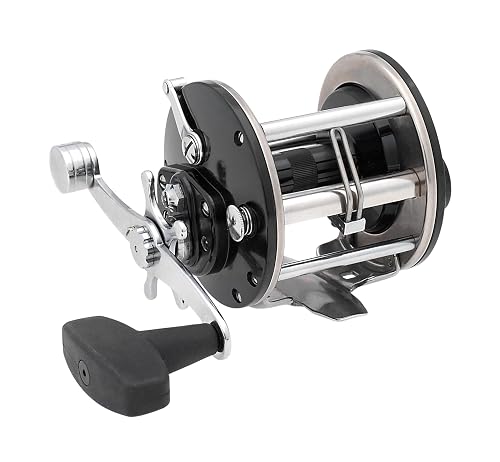
PENN General Purpose Level Wind Conventional Fishing Reel
Product Overview
The PENN General Purpose Level Wind Conventional Fishing Reel is a level wind design, meaning the reel’s line guide travels side to side across the spool as you retrieve. That mechanism lays line evenly and helps prevent the bunching and tangles that can plague non-level-wind conventional reels when you are spooling or reeling under load. Level wind conventional reels are the standard choice for bottom fishing, drift fishing, and trolling heavy line, where you want a controlled, uniform spool profile.
Penn is one of the most recognized names in conventional and saltwater fishing reels, and its General Purpose line is positioned as a practical, all-around option rather than a specialized tool. Owners generally describe it as a workhorse: simple to set up, easy to understand, and forgiving for newer anglers who are still getting comfortable with thumb control and spool tension. If you are coming from spincast or spinning reels, expect a learning curve, but one that is manageable with some practice. For a broader view of how conventional reels differ from other designs, see Types of Fishing Reels: Spinning, Baitcasting, Spincast and Conventional.
Key Features & Specifications
The table below lists the characteristics that are consistent with the product name and with how Penn describes its general purpose level wind line. Confirm exact figures such as gear ratio, bearing count and line capacity against the current listing before purchasing, since configurations can vary between product revisions.
| Feature | Details |
|---|---|
| Reel type | Conventional, level wind |
| Intended use | General purpose: bottom fishing, drift fishing, trolling, freshwater and saltwater |
| Line lay | Level wind mechanism for even line distribution across the spool |
| Drag system | Conventional drag system, adjusted to suit line class and target fish |
| Spool | Matched to the level wind design; check listing for exact line capacity |
| Brand | PENN |
| Recommended line | Braid or monofilament appropriate to the reel’s size class |
When evaluating any conventional reel, pay close attention to line capacity rated against the line diameter you actually plan to use. The guide at Understanding Conventional Reel Line Capacity and Uses explains how to read those numbers so you do not overspool or underfill the spool.
Pros & Cons
Pros
- Level wind design helps lay line evenly, which reduces bird’s nest tangles during casting and retrieving.
- Well suited to bottom fishing and trolling, where controlled line management matters more than casting distance.
- Established brand with wide parts and service familiarity across the Penn ecosystem.
- Straightforward mechanics make it a practical first conventional reel for learning thumb control and drag adjustment.
- Budget-friendly positioning for anglers who do not need premium sealed components.
- Works across saltwater and freshwater applications, so one reel can cover multiple trips.
Cons
- Conventional reels require more technique than spinning reels, and beginners may need practice to avoid backlashes.
- Not designed for ultralight lure work or long-distance casting, which limits its versatility compared with spinning gear.
- Owners who fish heavily in salt or grit often recommend rinsing and lubricating regularly to protect internal components.
- Premium reels typically offer smoother drag performance and more refined bearing systems that this model does not aim to match.
- Gear ratio and specific capacities should be verified on the listing, as details can differ between versions.
Performance Analysis
This review is based on the product’s listed design, the established behavior of level wind conventional reels, and patterns that owners commonly describe in feedback. It is not based on hands-on testing by the author. Treat the observations below as informed expectations rather than measured results.
In terms of line management, the level wind mechanism is the reel’s main functional advantage. Owners of level wind conventional reels frequently describe more even spooling than they get from non-level-wind designs, especially when filling the spool with monofilament or braid. That evenness matters when you are fishing deep water with heavy weights, because uneven line can cause coils to dig into one another under load and create tangles during the retrieve.
Drag performance on conventional reels depends heavily on the drag washer system and how the angler sets it. For bottom fishing, the usual approach is to set the drag so that a fish can pull line against it without snapping the leader, then tighten gradually as the fish tires. Owners of general purpose Penn models often report that drag is adequate for typical species at moderate weights, but that very large or powerful fish can expose the limits of entry-level drag compared with premium drag systems. Learning how drag works will help you set this reel correctly; Fishing Reel Drag Explained covers the mechanics in plain terms.
Retrieve smoothness is a common point of comparison. Conventional reels with standard bearing setups tend to feel less refined than sealed, multi-bearing premium reels, and owners sometimes mention a slightly gritty or mechanical feel when new. Regular cleaning and light lubrication usually improve this. If you want guidance on keeping the reel running well, see How to Maintain a Fishing Reel.
Casting is where expectations need to be realistic. Conventional reels are not built for long casts with light lures, and this model is no exception. It is best used with weighted rigs, bait and trolling setups. Anglers who need to cast lures across a lake should look at spinning or baitcasting options instead. The comparison between conventional and spinning designs for bottom work is covered in Conventional vs Spinning Reel for Bottom Fishing (2026): Which Should You Choose?.
Durability is difficult to judge from specifications alone. General purpose reels in this category are generally regarded as serviceable for regular recreational use, but owners who fish saltwater frequently and do not rinse their gear often report corrosion or stiffness over time. Freshwater use tends to be kinder to internal parts. Whatever the environment, rinsing after use and inspecting for grit will extend the reel’s life considerably.
Who Should Buy This Product?
This reel fits best for anglers who want a dependable, no-frills conventional reel for specific applications. Beginners who are learning to fish with conventional gear will find the level wind design forgiving compared with non-level-wind alternatives. Recreational bottom fishers, anglers who troll occasionally, and people who want a reliable backup reel for a boat or pier setup are all good matches.
You should skip this reel if your primary fishing involves casting light lures for bass, trout or panfish, where spinning or baitcasting gear is more appropriate. Competitive anglers who need top-tier drag consistency and smoothness should look at premium options. Anglers fishing heavy saltwater species on a daily basis may also find that a more heavily built or sealed reel holds up better over time.
Buying Guide
Before buying any conventional level wind reel, match the reel size to the fish you expect to catch and the line you plan to use. Undersized reels struggle to hold enough line for strong fish, while oversized reels add weight and bulk you do not need. Check the spool capacity against your line diameter, and leave enough room so the spool is not overfilled. Line recommendations from the manufacturer are a useful starting point.
Look at the drag system carefully. A smooth, progressive drag is more important than a high maximum drag number, because a drag that jerks or stops abruptly can break lines and lose fish. Read reviews from owners who fish in conditions similar to yours, and pay attention to comments about drag feel rather than just peak strength. For a deeper look at this topic, see Budget vs Premium Fishing Reels.
Consider the gear ratio based on your technique. Lower ratios provide more cranking power for heavy weights and large fish, while higher ratios retrieve line faster for trolling or drift work where you need to keep up with moving lures. Both have trade-offs, so match the ratio to how you actually fish.
Several well-known alternatives are worth comparing. The PENN Squall II Level Wind Conventional Fishing Reel is a popular step-up option within the Penn family and is often mentioned by owners who want a more refined feel for regular use. See Penn Squall II Level Wind Conventional Fishing Reel Review: Who Is It For? for a detailed breakdown.

PENN Squall II Level Wind Conventional Fishing Reel
The PENN Rival Level Wind Conventional Fishing Reel is another option to consider when comparing level wind models across the Penn line. Its positioning and intended applications are worth reviewing against your specific fishing style before deciding.

PENN Rival Level Wind Conventional Fishing Reel
If you are still deciding between reel types altogether, Conventional Fishing Reel vs Baitcasting: Which Should You Choose? and How to Choose a Fishing Reel offer useful frameworks for making that call.
FAQ
Is the Penn General Purpose Level Wind Conventional Fishing Reel good for beginners?
It can be. The level wind design helps distribute line evenly, which reduces some of the tangle problems beginners face with conventional reels. You will still need to practice thumb control during casting to avoid backlashes, so expect a learning period. Practicing with weighted rigs in open areas helps build the habit quickly.
What fishing is this reel best suited for?
It is best suited for bottom fishing, drift fishing and trolling with weighted or bait-based rigs. It is not designed for light lure casting, where spinning or baitcasting reels perform better. Matching the reel to these applications will give you the most satisfying results.
Does this reel work in both saltwater and freshwater?
Its general purpose positioning suggests it can be used in both environments. Saltwater use, however, is harder on any reel, so rinsing with fresh water after each trip and lubricating moving parts regularly will help prevent corrosion and stiffness. For a deeper look, Penn Squall Star Drag Conventional Fishing Reel Review: Is It Worth It? covers this in detail.
How do I set the drag on a conventional level wind reel?
Start with the drag light enough that a fish can pull line steadily without breaking your leader, then increase tension as needed. Many anglers test drag by pulling line by hand before fishing. A detailed explanation is available in Fishing Reel Drag Explained.
What line should I use with this reel?
Use braid or monofilament that matches the reel’s size class and your target species. Check the manufacturer’s recommendations and avoid overfilling the spool. Line choice affects casting distance, sensitivity and drag behavior, so consider your fishing conditions carefully.
How often should I maintain this reel?
Rinse the reel with fresh water after saltwater trips, dry it thoroughly, and lubricate moving parts periodically according to the manufacturer’s guidance. Anglers who fish often may benefit from more frequent maintenance. Specific care routines are outlined in How to Maintain a Fishing Reel.
Is this reel worth it compared to premium models?
For occasional or moderate use, a general purpose level wind reel offers solid value. Premium reels generally provide smoother drag, more refined bearings and better long-term durability under heavy use. Whether the upgrade is worth it depends on how often and how hard you fish.
Can I use this reel for trolling?
Yes, level wind conventional reels are commonly used for trolling because of their controlled line management. Choose a gear ratio suited to your trolling speed and make sure the drag is set to handle strikes from trolled fish without breaking off.
Final Verdict
Penn General Purpose Level Wind Conventional Fishing Reel: Worth Considering for Bottom and Trolling Work
The Penn General Purpose Level Wind Conventional Fishing Reel is a practical, well-positioned option for anglers who want a dependable level wind conventional reel for bottom fishing, drift fishing and trolling. Its level wind mechanism is its clearest strength, offering more even line management than non-level-wind alternatives, and its straightforward design makes it approachable for newer conventional anglers. It is not the right tool for light lure casting or for anglers who need premium drag refinement, and owners who fish heavy saltwater should plan on regular maintenance. If your fishing matches its intended applications, it is a sensible choice. If you need more refinement, the Squall II and Rival alternatives discussed above are worth comparing before you decide.
About Claire Whitaker
Claire Whitaker is part of our editorial team and reviews and edits our freshwater fishing tackle on a budget guides, checking product details against manufacturer specifications and owner feedback.




