 By Ethan Brooks
Updated November 2026
The Berkley X9 braid fishing line is one of the most widely sold braided lines in the freshwater market, and it is aimed squarely at anglers who want a dependable, low-stretch line without paying premium prices. It suits bass anglers working weedlines and cover, panfish and crappie fishermen who want sensitivity for light bites, and budget-minded anglers stepping up from monofilament. It is a weaker choice for anglers who need abrasion resistance around rocks and heavy structure at the highest level, or for those who want true invisibility in very clear water, where a fluorocarbon leader or a dedicated low-vis line will serve better.

Berkley x9 Braid Fishing Line
Product Overview
The Berkley X9 is a multi-filament braided line built from high-modulus fibers that are woven together and coated to improve roundness and casting performance. Berkley positions the X9 as a general-purpose braid for freshwater species, and it is sold in a range of pound tests and spool sizes, which lets anglers match it to everything from light panfish gear to heavier bass and cover rigs. The line is intended to be used directly on the reel, often with a fluorocarbon or monofilament leader tied on when the situation calls for less visibility or more abrasion protection.
Braided line in general has become the default choice for many bass anglers because it has almost no stretch compared to monofilament. That zero-to-minimal stretch transmits bites and hook sets more directly, which matters most for techniques such as flipping, pitching, texas-rigged soft plastics and topwater work where you want to drive a hook into a bony jaw. The X9 is designed to deliver that same behavior at a budget-friendly level, and it is a common starting point for anglers who are building their first braided setup. For a broader look at how braid compares to other line types, see Why Fishing Line Diameter Matters for Casting and Sensitivity.
Because the X9 is sold in several pound classes, it is worth checking the listing for the exact test you are buying. Lighter tests are better suited to finesse presentations and small fish, while heavier tests give you margin around cover and when fishing larger bass or catfish. The line is also offered in colors that many anglers prefer for seeing the line during a cast or when watching for subtle movement at the rod tip.
Key Features & Specifications
The table below lists the characteristics that are reasonably well established for this product family. Where a value depends on the exact spool you buy, check the Amazon listing for the final number before purchase.
| Feature | What It Means for You |
|---|---|
| Line type | Multi-filament braided line |
| Stretch | Very low compared with monofilament, giving direct hook sets |
| Sold in | Multiple pound tests and spool sizes; confirm on the listing |
| Intended use | General freshwater fishing, including bass, panfish and catfish |
| Diameter | Thinner than monofilament of the same pound test, aiding casting distance |
| Leader compatibility | Works with fluorocarbon or mono leaders using a standard knot |
| Color options | Several colors offered; choose based on visibility preference |
Braided lines of this diameter-to-strength class generally cast farther and with less wind resistance than monofilament, and they tend to hold up well around light cover. Keep in mind that braid is less forgiving of poor knots and of line that is wound unevenly, so the spooling and knot tips later in this review are not optional extras.
Pros & Cons
Pros
- Low stretch gives direct feel and strong hook sets on bass and panfish.
- Thin diameter for its pound test, which helps with casting distance and spool capacity.
- Available in multiple test strengths, so you can match it to light or heavy setups.
- Works well as a main line with a fluorocarbon leader for mixed-technique anglers.
- A budget-oriented braid that lets newer braid users try the material without a large commitment.
Cons
- Braid is visible in clear water, so a leader is usually needed for finesse fishing.
- Abrasion resistance is good for everyday use but less robust than premium braids around sharp rock and zebra mussel shell.
- Prone to digging into itself on the spool if not wound under firm tension.
- Requires careful knot selection; poor connections are a common failure point with any braid.
Performance Analysis
Because this review is based on manufacturer specifications and on patterns that appear repeatedly in owner feedback rather than on our own field testing, the performance picture below is a synthesis of what the product is designed to do and what anglers commonly report. Treat it as a guide to expectations rather than a guarantee.
Casting and distance. A braid with a small diameter for its strength is one of the main reasons anglers switch to it. Owners often report that the line comes off the spool smoothly with a properly set spool and a reel spooled to the correct depth. Expect the largest gains over monofilament when you are throwing light lures in wind, since the lower air resistance of a thinner line helps the lure travel farther and track straighter.
Sensitivity and hook sets. This is where braid earns its place. Anglers commonly describe feeling bottom composition, subtle bites from crappie and bluegill, and the difference between a fish and a piece of cover. With little stretch, a sweep of the rod translates into immediate movement at the hook, which is useful on bass in heavy cover where you need to pull fish out of grass or wood quickly.
Durability and abrasion. For typical freshwater use, owners generally find the X9 holds up for a reasonable number of trips. Abrasion is the most common concern: braid will wear through faster than fluorocarbon when dragged across rock, dock edges or shell beds. A practical approach is to run a few feet of fluorocarbon leader at the lure end and to inspect the line after every few hours of hard fishing, especially after snagging.
Visibility. Braid is generally more visible than monofilament or fluorocarbon, and that is the single most common complaint in clear water. Many anglers handle this by tying on a leader. For a deeper look at managing visibility by water condition, see Managing Fishing Line Visibility for Different Water Conditions.
Knots and connections. Braid’s slickness means the knot you choose matters a lot. Owners who run into slipping knots are usually using a knot that is not suited to braid. Learning two or three reliable knots is more important than the brand you choose. The guide Braid Fishing Line Knot Tying: 4 Reliable Knots for Strong Connections walks through the options.
Who Should Buy This Product?
The X9 is a good fit if you are a bass angler who fishes around vegetation and wood, a panfish or crappie angler who wants more feel and a thinner diameter, or a catfish angler using a braid for better sensitivity and a smaller spool footprint. It also suits anglers who want to try braid for the first time without committing to an expensive line. If you mainly fish very clear, pressured water where line visibility is critical, plan on a fluorocarbon leader or consider a different product line. Anglers who fish rocky shorelines with a lot of sharp edges should either use a heavier leader or look at more abrasion-focused options.
Buying Guide
Choosing the right braid comes down to three decisions: pound test, color and leader strategy. Start with the species and the cover. For bluegill, crappie and light bass work, a lighter test with a thin diameter is usually enough. For bass in heavy grass and wood, a heavier test gives you the strength to turn fish quickly. For catfish, match the test to the size of fish you expect and to the amount of weight you need to cast.
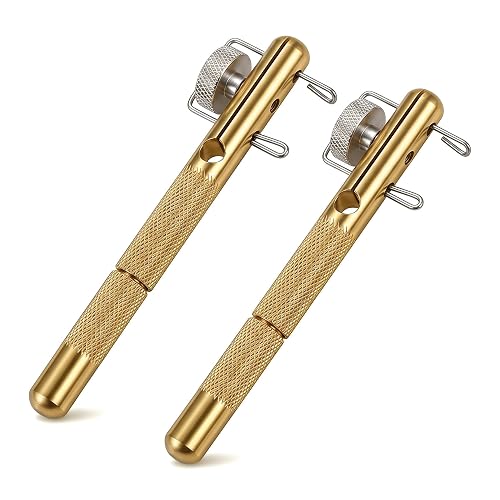
Next, decide how much visibility matters. Clear water and finesse presentations call for a leader. Stained or murky water can handle a braid-only setup. Finally, spool carefully: keep tension firm and even, and fill the spool close to the lip, leaving a small gap so the line does not bury. For step-by-step spooling methods, see Tie Fishing Line on Reel: 3 Best Line Fixer Belts & Spool Tools (2026).
If you want to compare the X9 with other well-known braids, these are common alternatives worth considering:
- Berkley ProSpec Chrome Braided Fishing Line – A braided option from the same brand family that many anglers consider when they want a different color or build for general freshwater use.

Berkley ProSpec Chrome Braided Fishing Line
- DuelFishing Line – A braided alternative that owners often compare directly against Berkley braids when shopping on value and availability.

DuelFishing Line
For more options across pound tests, see 7 Best Braid Lines for Bass Fishing Picks Compared (2026) and 6 Best 30lb Braid Fishing Lines for Bass and Catfish (2026).
FAQ
Is Berkley X9 braid good for bass fishing?
Yes, it is a common choice for bass anglers, especially for flipping, pitching and working cover where low stretch helps you drive hooks home. Many anglers add a fluorocarbon leader when fishing clear water.
Do I need a leader with braided line?
Not always, but a leader is recommended in clear water and around abrasive structure. A short fluorocarbon leader reduces visibility and protects the line where it contacts rock or shell.
How do I prevent braid from digging into the spool?
Spool with firm, even tension and leave a small gap below the spool lip. Avoid overfilling, and consider using a spool-tension aid while winding.
Which knot works best with braided line?
Many anglers rely on the improved clinch or a double uni for connecting leaders, and the Palomar for tying directly to lures. Test any knot by pulling hard and checking for slippage before fishing.
Will braid cut my hands or fingers?
Braid can cut into skin under heavy load, especially during long hook sets or when a fish runs hard. Use a line cutter or pliers when trimming, and be cautious when handling tight lines.
How often should I replace braided line?
Replace it when you notice fraying, flattened spots, or after heavy snagging, and consider refreshing your spool at the start of each season if you fish often. Inspect the line regularly rather than relying on a fixed schedule.
Is braided line suitable for catfish?
Yes, braid is widely used for catfish because of its strength and sensitivity, particularly when bait fishing in current or from a boat. Match the pound test to the size of fish you expect.
Can I use this line on any reel?
Most spinning and baitcasting reels will handle braided line, but check your reel’s spool capacity and drag system. Using a line that is too thin for your drag setting can cause problems under heavy pressure.
Final Verdict
The Berkley X9 braid fishing line delivers what most freshwater anglers want from a braid: low stretch, a thin diameter for its strength, and a practical range of pound tests. It is a sound choice for bass, panfish and catfish anglers who want to move into braid without overspending, and it performs best when paired with a fluorocarbon leader and a reliable knot. Anglers who fish sharp, rocky structure or very clear water should plan around those conditions, but for general freshwater work the X9 is a solid, well-rounded option.
About Ethan Brooks
Ethan Brooks is part of our editorial team and reviews and edits our freshwater fishing tackle on a budget guides, checking product details against manufacturer specifications and owner feedback.