 By Ethan Brooks
Updated November 2026
If you are wondering what are the best lures for trout fishing, the answer depends on where you fish, what the trout are eating and how much tackle you want to carry. This list weighs each option by lure type versatility, size range, hook quality, action in moving and still water, and how well the lure suits a mixed kit. Everything here is based on product listings, brand reputation and owner feedback patterns, not on personal testing.
Our top picks at a glance
- 1
 TOP CHOICEBest overallTRUSCEND Swim or Jig Fishing Spinner BaitsView on Amazon
- 2
 TOP CHOICEBest for varietyTopconcpt 275-Piece Fishing Lure KitView on Amazon
- 3
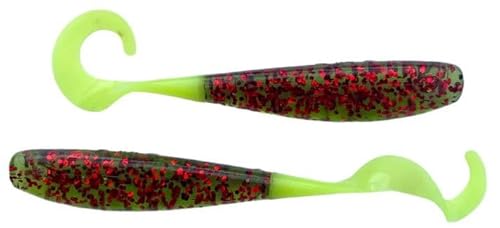
 TOP CHOICEBest for soft plastic fansTRUSCEND Shadtale Easy Catch Soft Fishing LuresView on Amazon
- 4
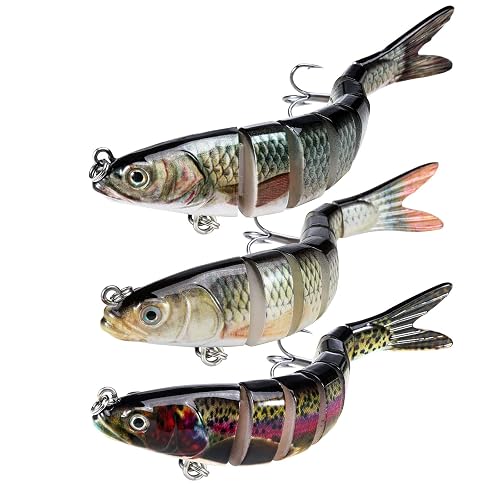 Best for finesse presentationsSlow Sinking Bionic Swimming Lures KitView on Amazon
- 5
 Best starter kitFishing Lures Kit for Freshwater Bait Tackle KitView on Amazon
Our Top Picks
Quick Comparison
| Product | Best for | Key feature |
|---|---|---|
| TRUSCEND Swim or Jig Fishing Spinner Baits | Overall trout versatility | Copper blade spinner design |
| Topconcpt 275-Piece Fishing Lure Kit | Trying many lure types | 275 pieces in one kit |
| TRUSCEND Shadtale Easy Catch Soft Fishing Lures | Soft plastic fans | Pre-rigged with BKK hooks |
| Slow Sinking Bionic Swimming Lures Kit | Finesse presentations | Multi-jointed slow-sink swimbaits |
| Fishing Lures Kit for Freshwater Bait Tackle Kit | New anglers | Spoons and soft plastics combined |
TRUSCEND Swim or Jig Fishing Spinner Baits
TRUSCEND Swim or Jig Fishing Spinner Baits for Freshwater and Saltwater, Rooster Tail Fishing Lures for Trout Bass Walleye Crappie Salmon Pike, Blade Bait with Copper Blade
Best for: Overall trout versatility
This suits anglers who want one flexible lure for streams and lakes. Owners often report that the spinner blade produces flash in clear water, and the blade bait style covers both retrieves and jigging.
Pros
- Copper blade gives flash in varied light
- Works as a swim lure or jig
Cons
- Blade can snag on heavy weed beds
Topconcpt 275-Piece Fishing Lure Kit
Topconcpt 275-Piece Fishing Lure Kit – Frogs, Spoons, Grasshoppers – for Bass, Trout, Salmon
Best for: Trying many lure types
This is a fit for anglers who want to test frogs, spoons and grasshopper-style baits before committing to a favorite. The sheer count gives you options for changing conditions without buying piece by piece.
Pros
- Large assortment covers many presentations
- Good for learning which style trout prefer
Cons
- Individual lure quality can vary across so many pieces
TRUSCEND Shadtale Easy Catch Soft Fishing Lures
TRUSCEND Shadtale Easy Catch Soft Fishing Lures with BKK Hooks – Trembly Sinking and Vibrating Swim for More Bites, Pre-Rigged Swimbaits for Bass, Trout, Crappie, Walleye, Freshwater Saltwater Fishing
Best for: Soft plastic fans
These pre-rigged swimbaits suit anglers who want to start fishing right away with no rigging time. The sinking, vibrating tail is designed to draw trout in slow retrieves along the bottom.
Pros
- Pre-rigged with BKK hooks
- Sinking body suits deeper runs
Cons
- Soft plastic can tear after repeated fish
Slow Sinking Bionic Swimming Lures Kit
Slow Sinking Bionic Swimming Lures Bass Freshwater Saltwater Bass Lifelike Fishing Lures Kit Fishing Lures for Bass Trout Topwater Multi Jointed Swimbaits
Best for: Finesse presentations
This kit fits anglers working clear, pressured lakes where a slow, lifelike action matters. The multi-jointed body is meant to mimic baitfish movement on a steady retrieve.
Pros
- Slow sink helps hold depth
- Multi-jointed body gives lifelike action
Cons
- Requires patience with a slow retrieve
Fishing Lures Kit for Freshwater Bait Tackle Kit
Fishing Lures Kit for Freshwater Bait Tackle Kit for Bass Trout Salmon Fishing Accessories Tackle Box Including Spoon Lures Soft Plastic Worms Fishing Gifts
Best for: New anglers
This is a practical choice for beginners who want spoons and soft plastics in one box. It covers the basic trout presentations without requiring a large initial investment in separate tackle. For another angle, check out 6 Best Reels for Trout Fishing Picks for Streams and Lakes.
Pros
- Mixes spoons and soft plastics
- Simple starting point for a tackle box
Cons
- Fewer specialty lures for advanced tactics
Buying Guide
Match the lure to the water
Spinners and spoons work well in moving streams, while swimbaits and soft plastics often perform better in still lakes. Choose the lure type based on whether the trout are holding in current or cruising open water.
Consider lure size
Trout generally respond to smaller profiles, so many anglers start with lures around 1 to 2 inches. Larger baits can work during low light or when trout are feeding aggressively.
Check hook quality
Sharp, corrosion-resistant hooks matter because trout have soft mouths. Many anglers replace factory hooks with stronger ones when the lure is a favorite.
Plan for color and light
Natural tones tend to work in clear water, while brighter or metallic finishes can help in stained water or overcast conditions. Carrying a few colors gives you options as conditions change.
Good picks for this: TRUSCEND Swim or Jig Fishing Spinner Baits, Topconcpt 275-Piece Fishing Lure Kit
FAQ
What is the single best lure for trout fishing?
There is no single best lure because trout feed on different things depending on the season, the water and the time of day. Spinners and small spoons are versatile choices for moving water and lakes, while soft plastic swimbaits work well when trout are feeding deeper or more selectively. A mixed kit gives you options for changing conditions.
Are spinners better than soft plastics for trout?
Spinners are often a strong first choice for stream trout because their flash and vibration attract fish from a distance. Soft plastics shine when you want a more natural presentation or need to fish slowly near the bottom. Many anglers carry both so they can switch quickly when one stops producing.
What lure colors work best for trout?
Natural colors such as brown, olive, silver and gold tend to match the baitfish and insects trout commonly eat. Brighter colors can help in murky water or on overcast days when trout need more contrast to spot the lure. Matching the color to the water clarity and light conditions is usually more useful than chasing a specific shade.
Do I need a large tackle kit to start trout fishing?
Beginners do not need a large kit to catch trout. A small selection of spinners, a few spoons and some soft plastic baits covers most situations well. A larger kit can be helpful later, but starting with fewer lures often makes it easier to learn how each one moves in the water.
Should I use a topwater lure for trout?
Topwater lures can be effective on calm mornings and evenings when trout are actively feeding near the surface. They are less reliable in bright midday sun or in heavily fished water where trout have become cautious. Subsurface lures are usually a more dependable choice across a wider range of conditions.
How do I keep my trout lures in good condition?
Rinse lures after use, especially in saltwater, and dry them before storing to prevent rust on hooks and blades. Check hooks regularly and replace any that are bent or dull, since a sharp hook makes a real difference in hookups. Store soft plastics away from heat and direct sunlight so they stay flexible and keep their shape.
Conclusion
Anglers who fish moving streams and want a dependable, flexible option should start with spinners or a spoon-style lure, which cover a wide range of trout behavior. Those who want to explore many presentations on a budget will find a larger kit more useful for trying different actions and sizes as conditions change.
Anglers focused on lakes or deeper water, or those who prefer subtle, lifelike movement, may get the most value from soft plastic swimbaits and bionic-style lures that work slowly near the bottom. Beginners who want a simple start can combine one or two versatile lures with a basic kit, then expand their collection as they learn what the trout in their local water prefer.
Related reading
- Wedding Rings Fishing Lures: 6 Best Picks for Walleye and Trout Rigs
- Vintage Metal Fishing Lures: 6 Best Picks for Bass and Trout Anglers
- Trout Magnet Fishing Lures Compared: 3 Best Picks for Streams and Lakes
- Top 7 Wedding Band Fishing Lures for Walleye and Trout Anglers
About Ethan Brooks
Ethan Brooks is part of our editorial team and reviews and edits our freshwater fishing tackle on a budget guides, checking product details against manufacturer specifications and owner feedback.