 By Ethan Brooks
Updated November 2026
Surface lures for bass are some of the most exciting baits you can throw, because the strike happens right in front of you. This guide walks you through picking the right topwater, matching it to conditions, and working it so bass commit to the surface. By the end, you will know when to throw a popper, a walking bait or a buzzbait, and how to fish each one without spooking fish.
Step 1: Match the Surface Lure to the Bite
Not every topwater triggers the same response. Poppers and chuggers make noise and splash, which works well when bass are aggressive or the water is stained. Walking baits, which move side to side in a zigzag, tend to draw bass when the water is clearer and fish are feeding on the surface more selectively. Buzzbaits churn the surface and suit shallow cover and low-light periods. If you are unsure where to start, the overview in Types of Bass Lures: A Guide to Picking the Right One for Each Situation lays out which category fits which situation.
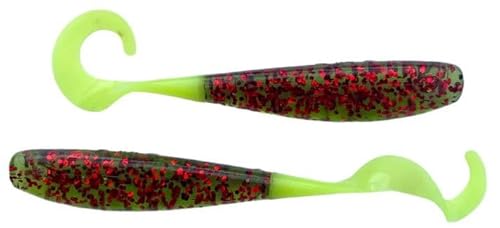
Shopping for one? See our guide: 5 Best Bass Assassin Fishing Lures of 2026: Picks Compared.
Step 2: Choose Size and Color for Conditions
Bass key on the bait’s profile, so match size to what they are eating. In most lakes, a 3 to 4 inch topwater covers the typical forage range, while a larger profile can draw bigger fish in summer. For color, bright white, chartreuse and bone tones show up well in stained water, and natural shad or frog patterns work better in clear conditions. For size guidance, see What Size Lures for Bass: A Step-by-Step Guide for Anglers.
Step 3: Work the Lure at the Right Speed and Rhythm
Retrieve speed decides more strikes than most anglers expect. Start with a steady, medium-paced retrieve, then vary it until you find what the fish want.
- Cast past the target and let the lure land quietly.
- Pause for 3 to 5 seconds so the ripples settle.
- For a popper, give two or three sharp twitches with short pauses between them.
- For a walking bait, use a rhythm of two or three jerks, then a pause, keeping the bait in the strike zone.
- Keep your rod tip low and reel up slack line quickly to feel the strike.
Many bass hit on the pause, so do not rush the next cast. If nothing happens after several presentations, change the cadence rather than the spot.
Step 4: Fish the Right Water at the Right Time
Early morning, evening and overcast days typically produce the best topwater action, when light is low and bass feel safer moving up. Target points, weed edges, laydowns and shallow flats near deeper water. Surface fishing also rewards patience: a bass may follow the lure several times before committing, so keep the bait moving until you see the fish. For broader seasonal picks, check What Lures to Use for Bass Right Now: 6 Proven Picks by Season and Water.
Common Mistakes
- Setting the hook too early. Wait until you feel weight, then sweep the rod firmly.
- Using the same retrieve all day. Change speed and pause length regularly.
- Fishing in bright midday sun without adjusting. Shade and cover matter more then.
- Casting over the fish instead of past them. Land the bait beyond the target and work it back through.
- Using line that is too heavy. Lighter line lets the lure move more naturally, though you still need enough strength for cover.
Recommended Gear
A medium-action rod gives you the control to make quick twitches and still set the hook on a fast strike. Pick one with a fast tip so the bait stays in the zone.
Braided line with a fluorocarbon leader helps you turn fish away from cover and keeps the bait moving naturally on the surface.
A small set of popper and walking bait variants lets you adjust color and profile without buying a full tackle collection.
FAQ
When is the best time to use surface lures for bass?
Early morning, evening and overcast days are usually the most productive, when light is low and bass are more willing to move up. Summer mornings over shallow cover can also be strong.
Do bass on surface lures always strike right away?
No. Bass often follow a topwater several times before committing, so keep the bait moving and vary your pauses rather than giving up after one cast.
Should I use a popper or a walking bait first?
Try a popper when the water is stained or bass seem aggressive, and a walking bait when the water is clearer or fish are more selective. Switch if one category is not producing after a few casts.
Conclusion
Surface lures for bass reward anglers who match the bait to conditions and vary their retrieve until fish respond. Start with a steady presentation, adjust cadence and pauses, and fish the low-light periods when topwater bites are strongest. With those basics in hand, you will spend more time watching the strike and less time guessing.
Ready to choose one?
About Ethan Brooks
Ethan Brooks is part of our editorial team and reviews and edits our freshwater fishing tackle on a budget guides, checking product details against manufacturer specifications and owner feedback.