 By Ethan Brooks
Updated November 2026
Fishing lures on clearance can stretch a tackle budget a long way, but only if you know what to look for. This guide walks you through where clearance stock actually shows up, how to judge whether a markdown is a real bargain, and which lure types tend to hold their value for bass, trout and catfish anglers. By the end, you should be able to build a useful lure selection without buying a drawer full of colors you will never throw.
Why Clearance Lures Are Worth Hunting
Lure makers regularly discontinue colors, rebrand packaging and clear out seasonal stock. Retailers then mark those items down to move inventory. For a budget angler, that means the same hook, the same paint and the same action can show up at a fraction of the regular shelf presence. The catch is that clearance is not automatically a deal. A lure that never caught fish at full price does not become a bargain because the tag says less.
Shopping for one? See our guide: 5 Best Bass Assassin Fishing Lures of 2026: Picks Compared.
The goal is to separate lures with proven designs from items that were overstocked for reasons that have nothing to do with performance. A discontinued color on a well-regarded jerkbait is a good find. A no-name crankbait with a bent hook eye is not.
Step 1: Decide What You Actually Need Before You Shop
Clearance tempts impulse buying. Start with a short list of target species, water types and presentations. A bass angler fishing heavy cover needs different tools than a trout angler working a clear stream.
- List the three species you fish most often.
- Note whether you fish mostly shallow, mid-depth or deep water.
- Pick two or three presentations you already know, such as topwater, crankbait, spinnerbait or soft plastics.
- Count the lures you already own in each category so you avoid duplicates.
For a broader view of how lure types match species, see What Fishing Lures to Use for Bass: A Step-by-Step Guide for Beginners, which covers the fundamentals before you start filtering sale racks.
Step 2: Know Where Clearance Lures Show Up
Clearance stock tends to appear in a few predictable places:
- End-of-season sales at big-box sporting goods stores, usually in late summer and early fall.
- Discount sections of online tackle retailers, often labeled as closeouts or last chance.
- Marketplace listings from sellers clearing old inventory or retired shop stock.
- Local tackle shops that run their own bins of discontinued colors.
- Collector and vintage sellers, who sometimes list unused lures in original packaging.
Each source carries different risks. Store clearance is usually new and returnable. Marketplace listings vary widely in condition, so read descriptions closely and check photos for rust, cracked paint and bent hooks.
Step 3: Judge Whether a Markdown Is Worth Taking
A lower sticker does not settle the question. Run each candidate through a few checks.
Check the Lure’s Track Record
Lures with long production histories and wide use among anglers are safer bets. Designs that have been in production for decades usually have well-documented fish-catching reputations. Newer or niche models carry more uncertainty, so a deep markdown on an unproven lure is a gamble.
Check Hardware Quality
Hooks, split rings and line ties are where clearance lures fail. Before you buy, look for:
- Hook points that stay sharp when you drag them across a fingernail.
- Hook gap wide enough for the species you target. Bass lures often use 3/0 to 5/0 hooks, while trout lures commonly use sizes 6 to 12.
- Split rings that open and close without gaping.
- Line ties that are not cracked or glued in a way that will pull loose.
Check the Finish
Chipped paint on a crankbait may not matter much if you are fishing it in stained water. On a clear-water trout lure, the finish affects realism and can change how fish react. Decide based on where you fish.
Step 4: Compare Lure Types for Clearance Value
Some lure categories give better value on clearance than others. The table below summarizes common types and what to watch for when buying them on sale.
| Lure type | Typical targets | What to inspect on clearance |
|---|---|---|
| Crankbaits | Bass, walleye | Lip alignment, hook condition, paint chips |
| Spinnerbaits | Bass, pike | Blade spin, wire bend, skirt attachment |
| Spoons | Trout, salmon, pike | Finish wear, split ring strength, hook sharpness |
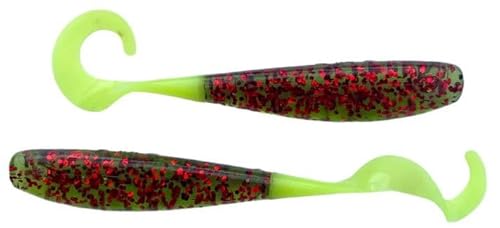
| Soft plastics | Bass, trout, catfish | Expiration dates on packaging, material softness, color availability |
| Topwater plugs | Bass | Cracks in the body, cupping, lip attachment |
Soft plastics often carry the best clearance value per dollar because they are inexpensive to make and many colors get discontinued. Check that the material has not hardened or gone sticky in storage. Hard plastics like crankbaits hold up well in storage but need hook and lip checks.
Step 5: Buy Smart and Test Before You Commit
Buy a small number of each lure first. Three to five of a new design is enough to see whether it suits your water. If a clearance lure produces, buy more when the next markdown appears or check whether the color is still available in another size.
Keep receipts and original packaging when possible. Store returns usually require both, and packaging helps you identify model names when you want to restock.
Common Mistakes to Avoid
- Buying in bulk before testing. A bin of forty lures is only a bargain if you fish them.
- Chasing every discontinued color. Stick to patterns that match your local forage and water clarity.
- Skipping hook inspection. A cheap lure with a dull hook costs fish, not money.
- Ignoring storage conditions. Soft plastics left in heat or sunlight can degrade.
- Forgetting the lure’s job. Clearance stock is only useful when it fills a real gap in your box.
Tips for Stretching Your Clearance Budget
- Set a fixed monthly or seasonal tackle budget so you know when to stop.
- Sign up for retailer alerts and check end-of-season sales in late summer and fall.
- Trade or sell lures you no longer use to fund better finds.
- Organize your boxes by species and presentation so duplicates stand out. For storage ideas, see Using Utility Boxes for Fishing Lure and Tackle Storage.
- Compare lure types across species before committing. A spoon that works for trout may also cover pike, and a jig that catches bass may catch catfish.
Recommended Gear
A few inexpensive tools make clearance inspection faster and more accurate. A simple hook file keeps points sharp on used or discounted lures, and a magnifier helps you spot paint defects and hook cracks on small trout lures. A utility-style tackle box with adjustable compartments keeps newly purchased lures organized so you can see at a glance what you already own.
- Tackle hook file: Restores a sharp point on dull hooks before you fish a clearance lure. View on Amazon
- Jeweler’s loupe: Helps you inspect eye screws, split rings and paint finish under magnification. View on Amazon
- Adjustable-compartment tackle box: Keeps sorted clearance lures separated and visible. View on Amazon
FAQ
Are fishing lures on clearance still good quality?
Often yes. Many clearance lures are simply last season’s colors or discontinued finishes from reputable makers. Inspect hooks, split rings and finishes before you fish them, because quality varies by item.
When is the best time to find fishing lures on clearance?
Late summer and early fall tend to bring the most end-of-season markdowns, as retailers clear seasonal stock. Some stores also discount tackle after major holidays.
Should I buy discontinued lures on clearance?
Only if the design has a known track record for your target species. A discontinued color on a proven lure can be a solid buy. A discontinued lure with no fishing history is a gamble.
Are soft plastics a good clearance buy?
They can be. Check the packaging for expiration or manufacturing dates, and make sure the material is still soft and flexible rather than stiff or sticky.
How do I check a used lure bought online?
Ask the seller for close-up photos of the hooks, lip and line tie. Look for rust, cracked paint and bent hardware. Avoid listings with vague descriptions.
Can clearance lures catch fish as well as full-price lures?
Yes, if the design and action suit the water and conditions. Fish respond to movement, profile and presentation more than the price tag, so a well-chosen clearance lure can outperform a poorly matched expensive one.
How many clearance lures should I buy at once?
Start with three to five of each new design. Once you confirm it catches fish in your waters, you can buy more during the next markdown.
Conclusion
Fishing lures on clearance are a practical way to build a capable tackle selection without overspending. Focus on proven designs, inspect hardware carefully and test a small number before buying in volume. With a clear list of target species and presentations, you can turn clearance racks into a steady source of useful lures.
Related reading
- Z Man Fishing Lures: How to Choose and Fish Them for Bass
- X Zone Fishing Lures: How to Choose and Fish Them for Bass (2026)
- X Rap Fishing Lures (2026): Pros, Cons & Verdict
- Wedding Rings Fishing Lures: 6 Best Picks for Walleye and Trout Rigs
Ready to choose one?
About Ethan Brooks
Ethan Brooks is part of our editorial team and reviews and edits our freshwater fishing tackle on a budget guides, checking product details against manufacturer specifications and owner feedback.